Prosthetic Makeup for Film: From Character Brief to Final Application

Introduction
The most convincing prosthetic makeup often appears effortless on screen, but that final result is supported by a detailed sequence of creative and technical decisions. Every stage—from the initial brief to the final application—affects realism, performer comfort and reliability during filming.
Understanding the process helps producers allow appropriate time, obtain more accurate quotations and involve the right departments before key decisions become fixed.
1. Understanding the Character and the Scene
The process begins with the story. The prosthetic makeup artist needs to understand who the character is, what the effect must communicate and how it will be shown. A transformation intended for an extreme close-up requires different decisions from an effect glimpsed during fast action.
The script, concept art, shot intentions, schedule and budget all help define an achievable brief. At this stage, the team also identifies whether prosthetics should work alone or alongside costume, props, animatronics, practical blood or digital enhancement.
2. Performer Reference and Lifecasting
Bespoke prosthetics normally need an accurate reference of the performer. A traditional lifecast or an appropriate digital scan captures the anatomy on which the design will be developed. Performer safety, comfort and clear communication are essential throughout this stage.
Accurate reference improves fit, edge placement and movement. It also reduces avoidable adjustment during application and helps the design integrate naturally with the performer’s features.
3. Sculpting the Prosthetic Design
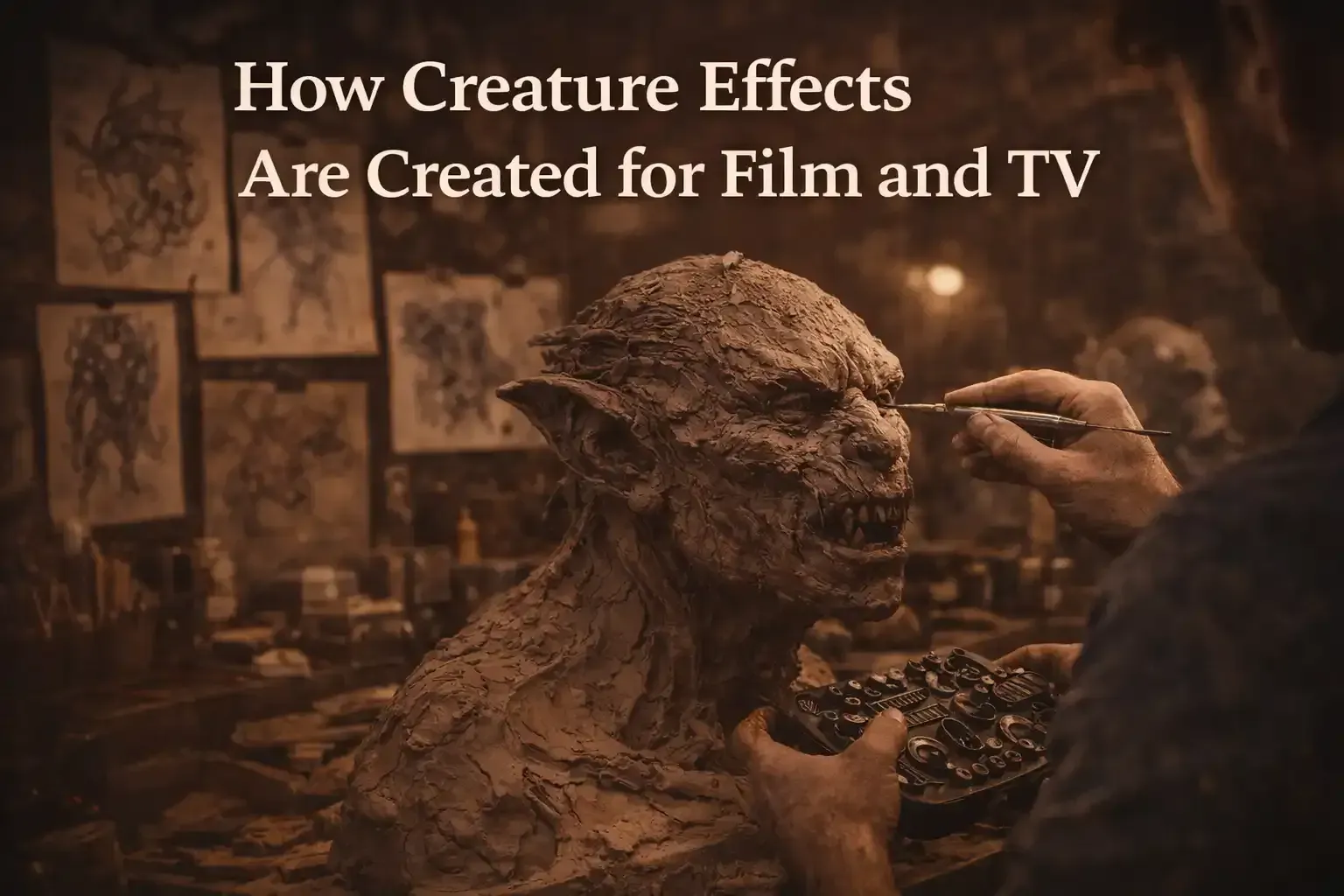
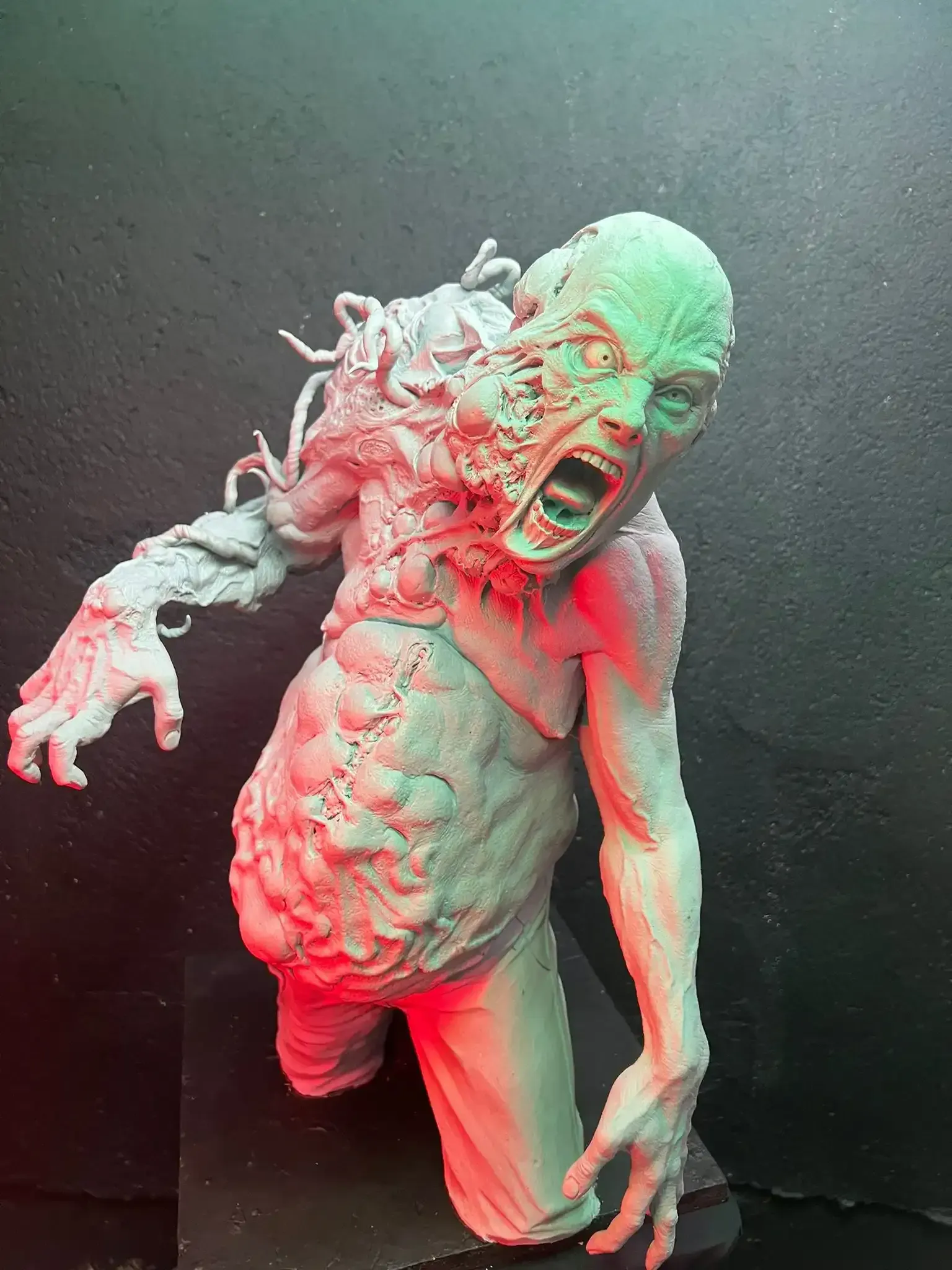
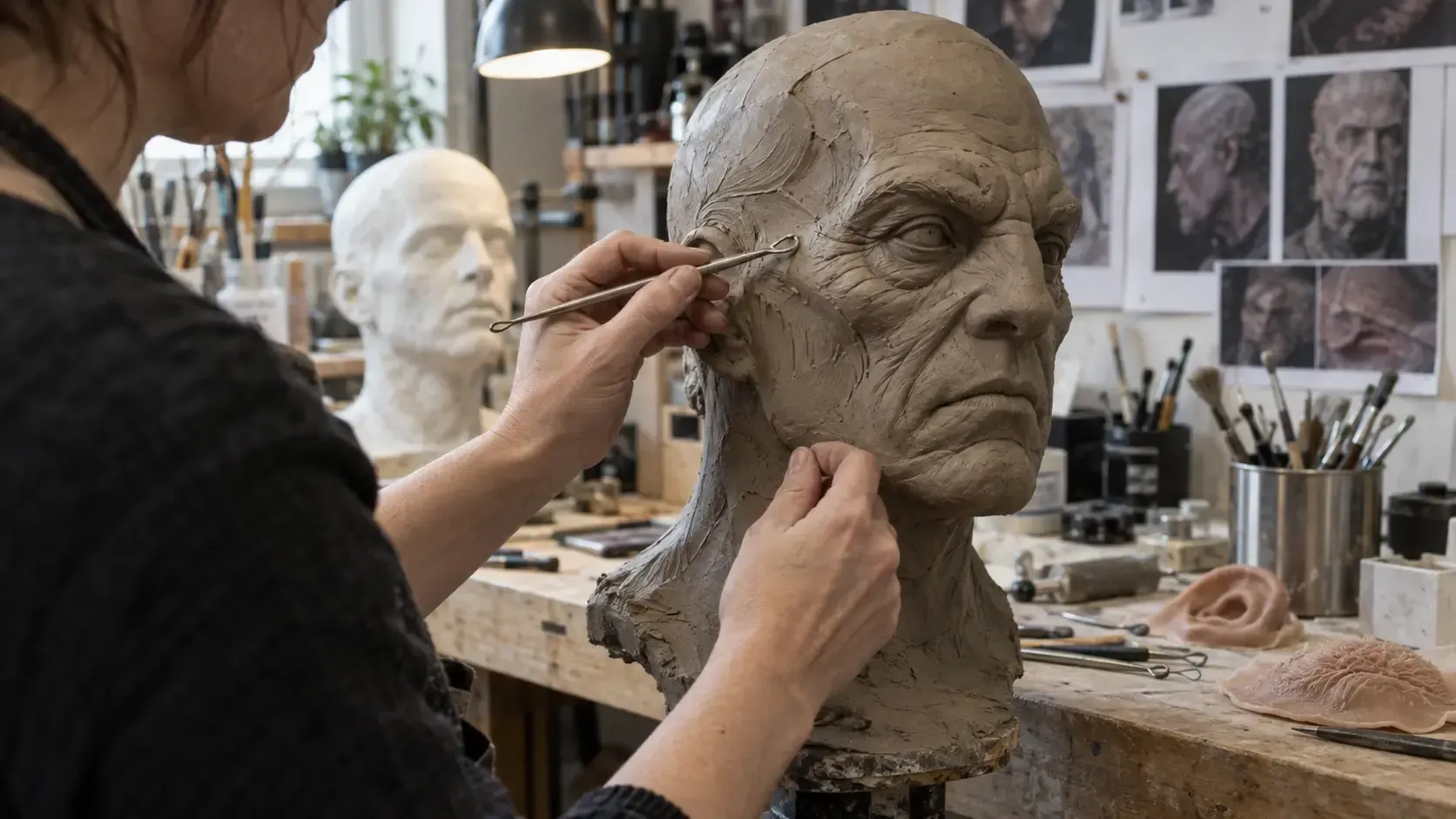
The required forms are sculpted over the performer reference. This is where the artist balances the concept with anatomy and performance. A visually dramatic shape still needs to allow appropriate expression, movement and interaction with hair, costume and other appliances.
Clear approval at the sculpt stage is important. Significant changes made after moulds have been produced can affect both cost and schedule.
4. Mould-Making and Material Selection
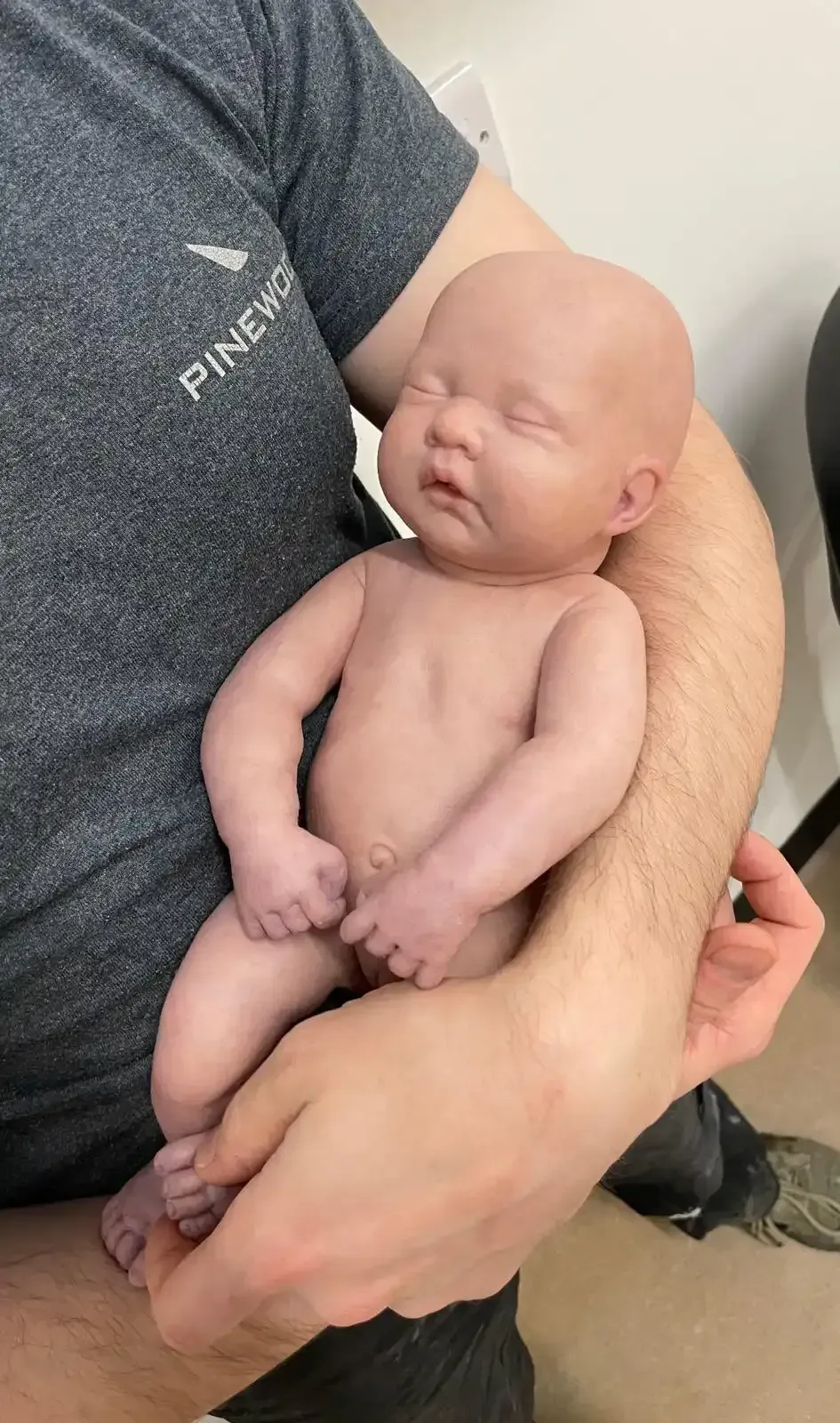
Once approved, the sculpture is used to create precision moulds. The prosthetic material is then selected according to the design and performance requirements. Silicone may be chosen for realistic translucency and fine skin detail, while foam latex can offer lightweight flexibility for expressive or larger appliances.
Material selection should also consider wear time, movement, environmental conditions, planned camera distance and the number of applications required.
5. Casting, Colouring and Finishing
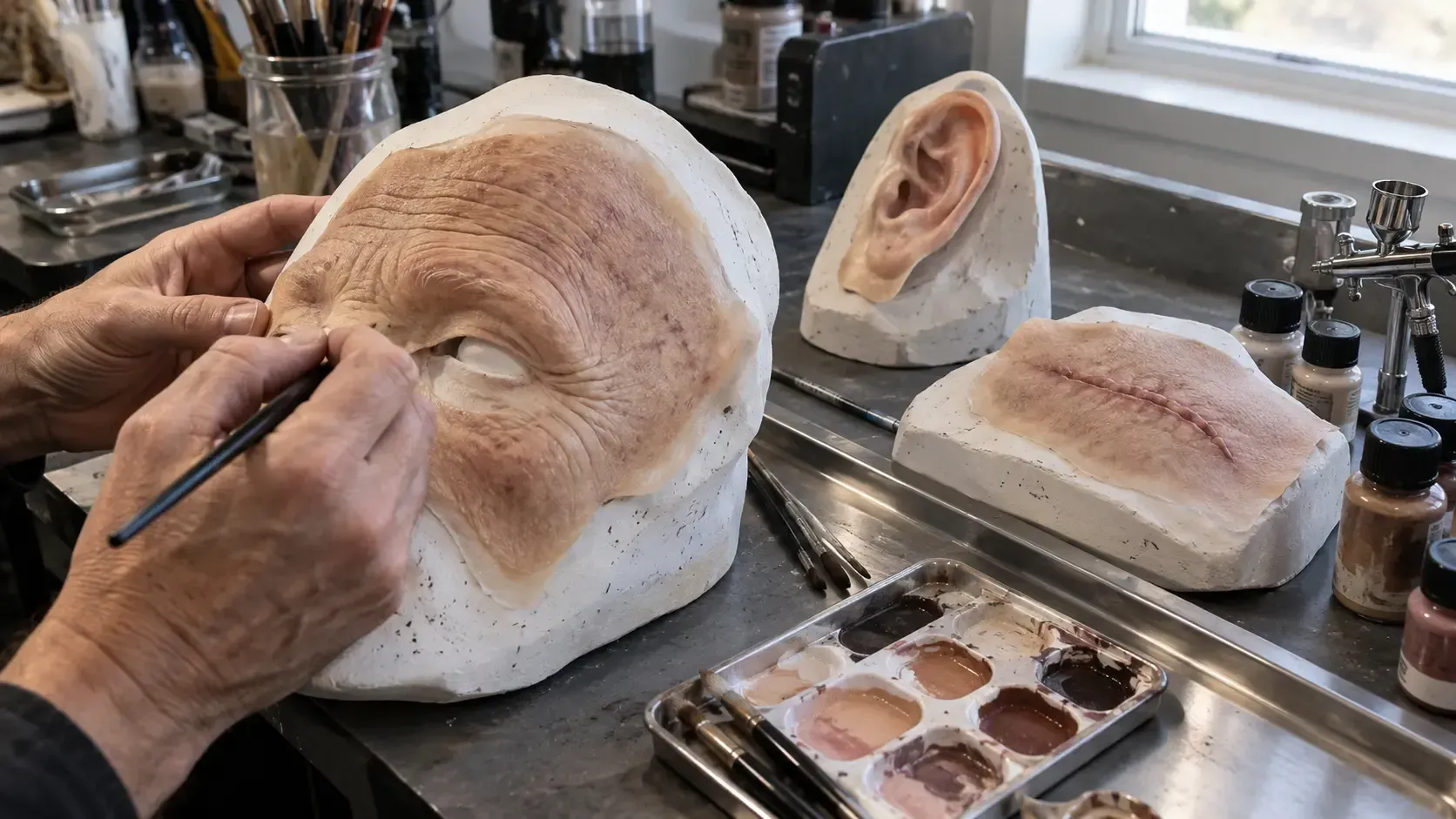
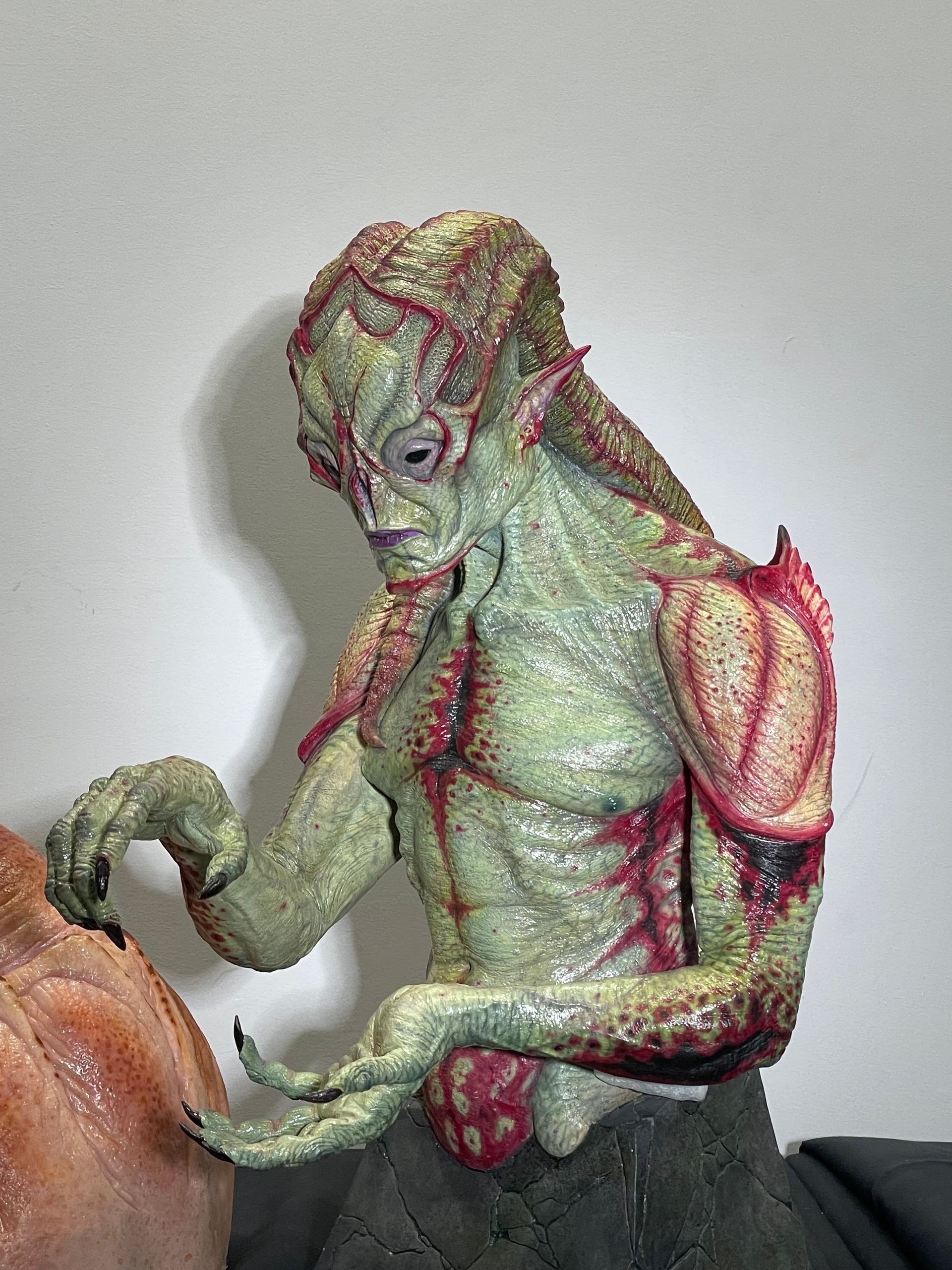
Appliances are cast in the agreed material and prepared with fine, blendable edges. Colour is built in layers to reproduce the depth and variation of living skin or to achieve the approved creature or character design.
Finishing may also include texture, hair punching, veins, age spots, wounds or other details. Duplicate pieces are produced according to the testing and shooting plan.
6. Application Testing
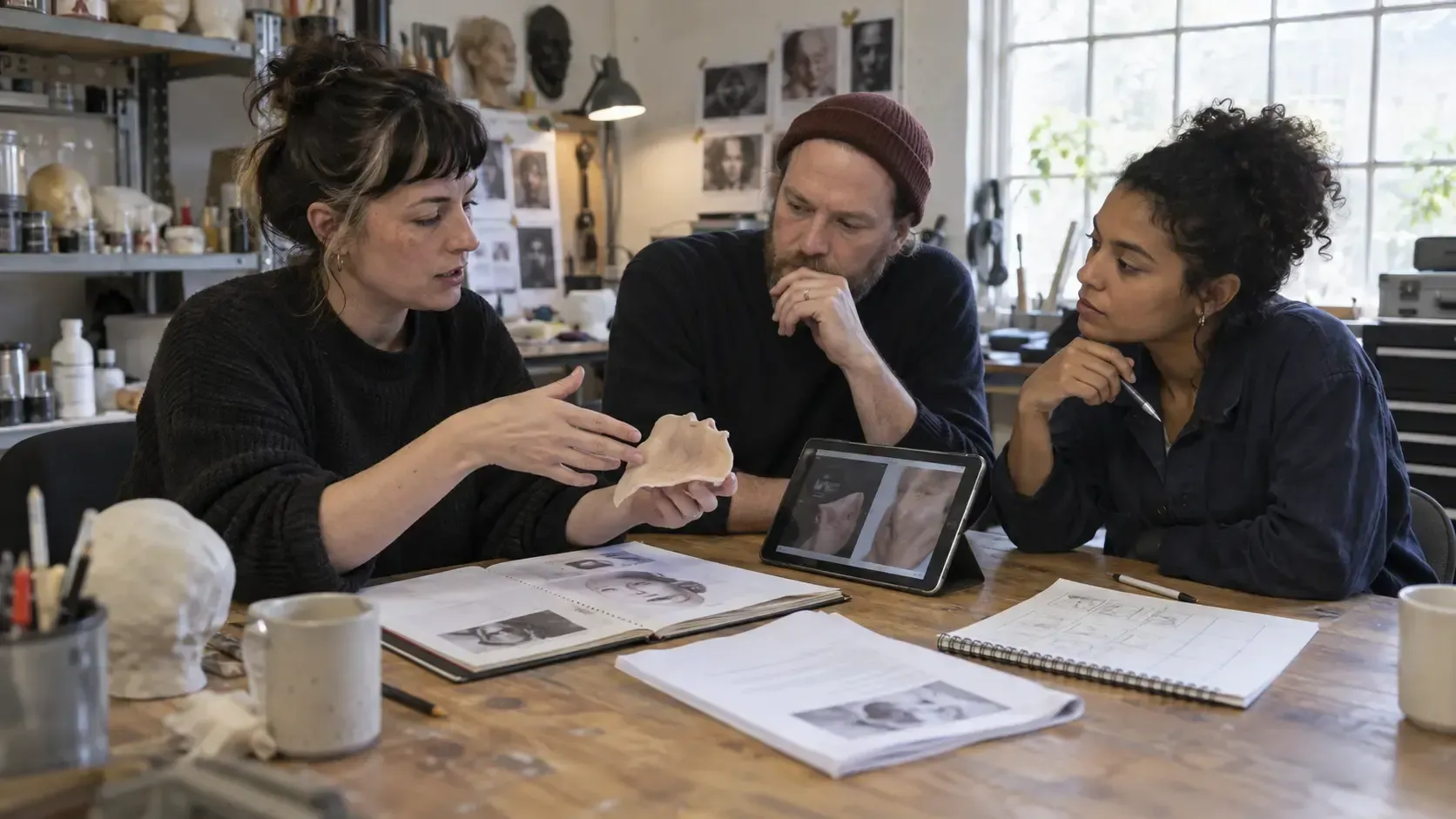
A test application confirms how the prosthetic fits, moves and photographs. It also provides a realistic application time and gives the production an opportunity to review the effect with representative hair, costume and lighting.
Testing is where small refinements can protect the shoot. Colour, edge placement, facial movement and practical interactions are easier to adjust before the first filming day.
7. Final Application and Continuity
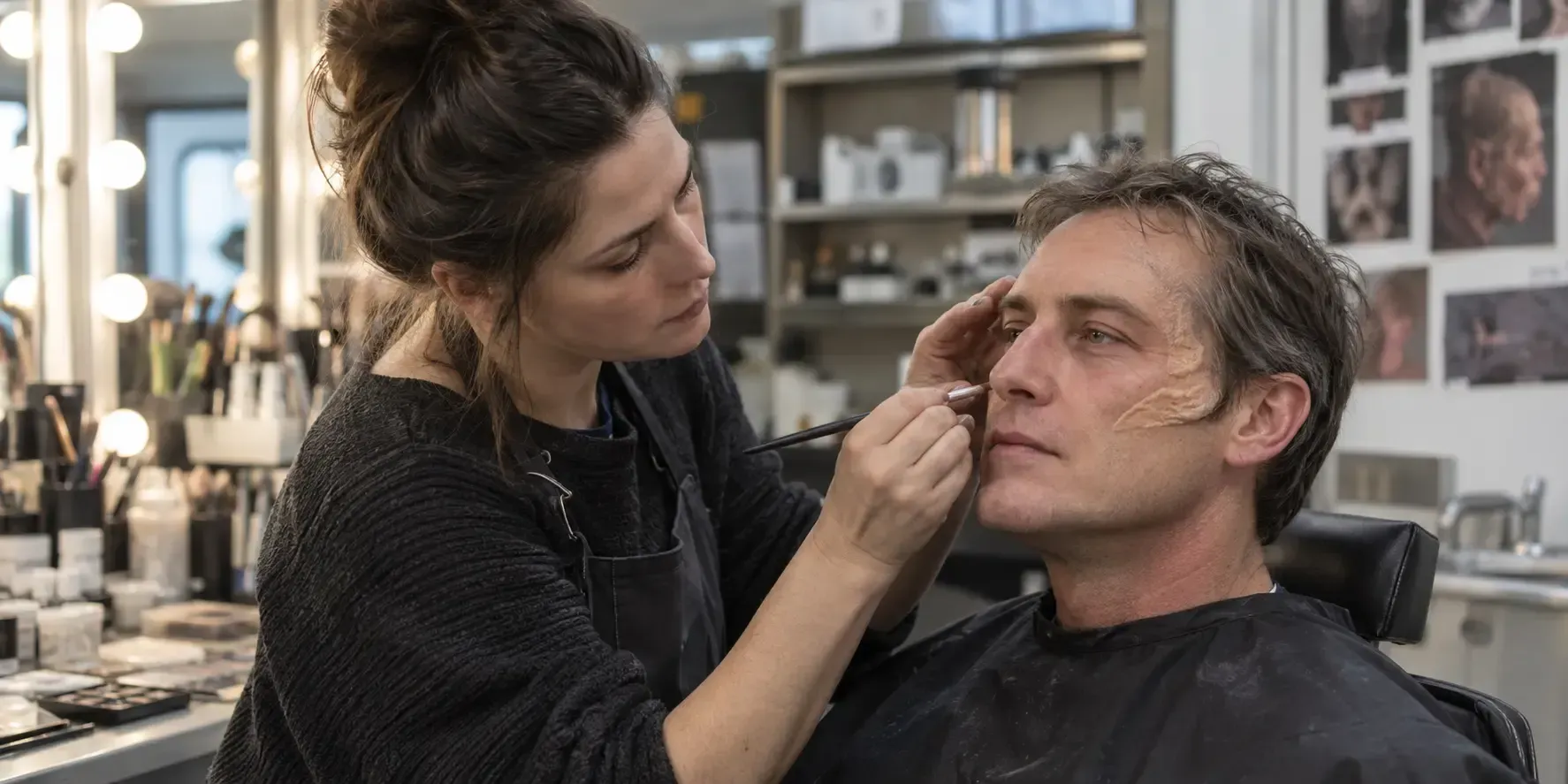
On set, appliances are positioned, adhered, blended and coloured to match the approved result. The artist monitors the makeup during filming, completing repairs and touch-ups while maintaining continuity between takes and days.
Detailed continuity photography and notes are particularly important for injuries that evolve through a story or transformations filmed out of sequence.
How Producers Can Support the Process
- Share scripts and effect breakdowns early
- Confirm performer availability for casting and tests
- Allow approval time before mould-making
- Include realistic application times in call sheets
- Coordinate hair, costume, camera and stunt requirements
- Agree the number of shoot days and duplicate appliances
- Identify who holds final creative approval

Plan Your Prosthetic Makeup with Oracle FX
Oracle FX provides prosthetic design, fabrication, testing and application for film and television productions. Early involvement allows us to recommend a solution that supports the story while remaining workable within the schedule and budget.