Hiring a Special Effects Makeup Artist for Film or Television

Introduction
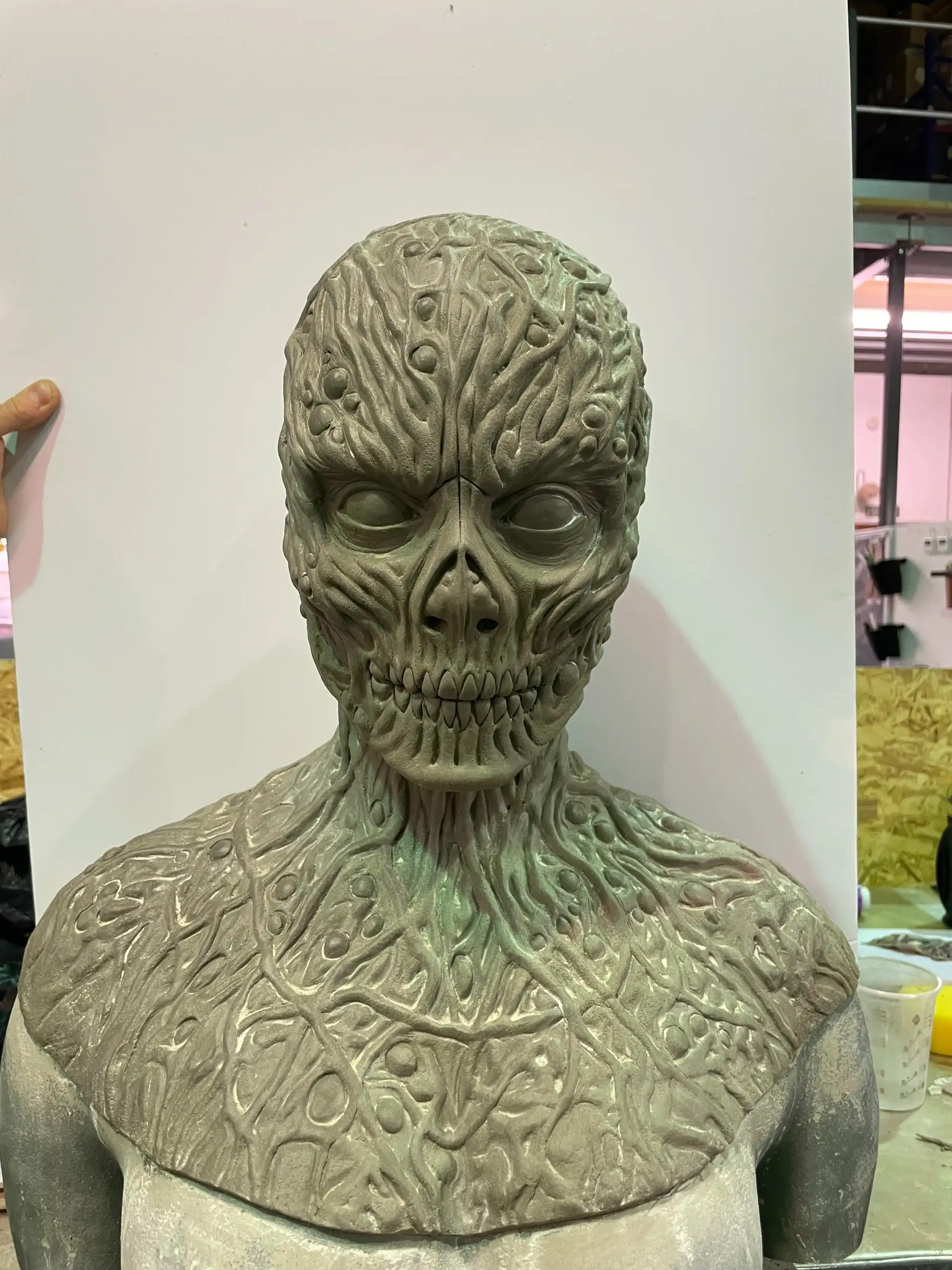
Hiring a special effects makeup artist is not simply a matter of finding someone who can create a convincing wound or prosthetic. The artist or studio must also understand performers, continuity, filming conditions, department coordination and the pressure of a working set.
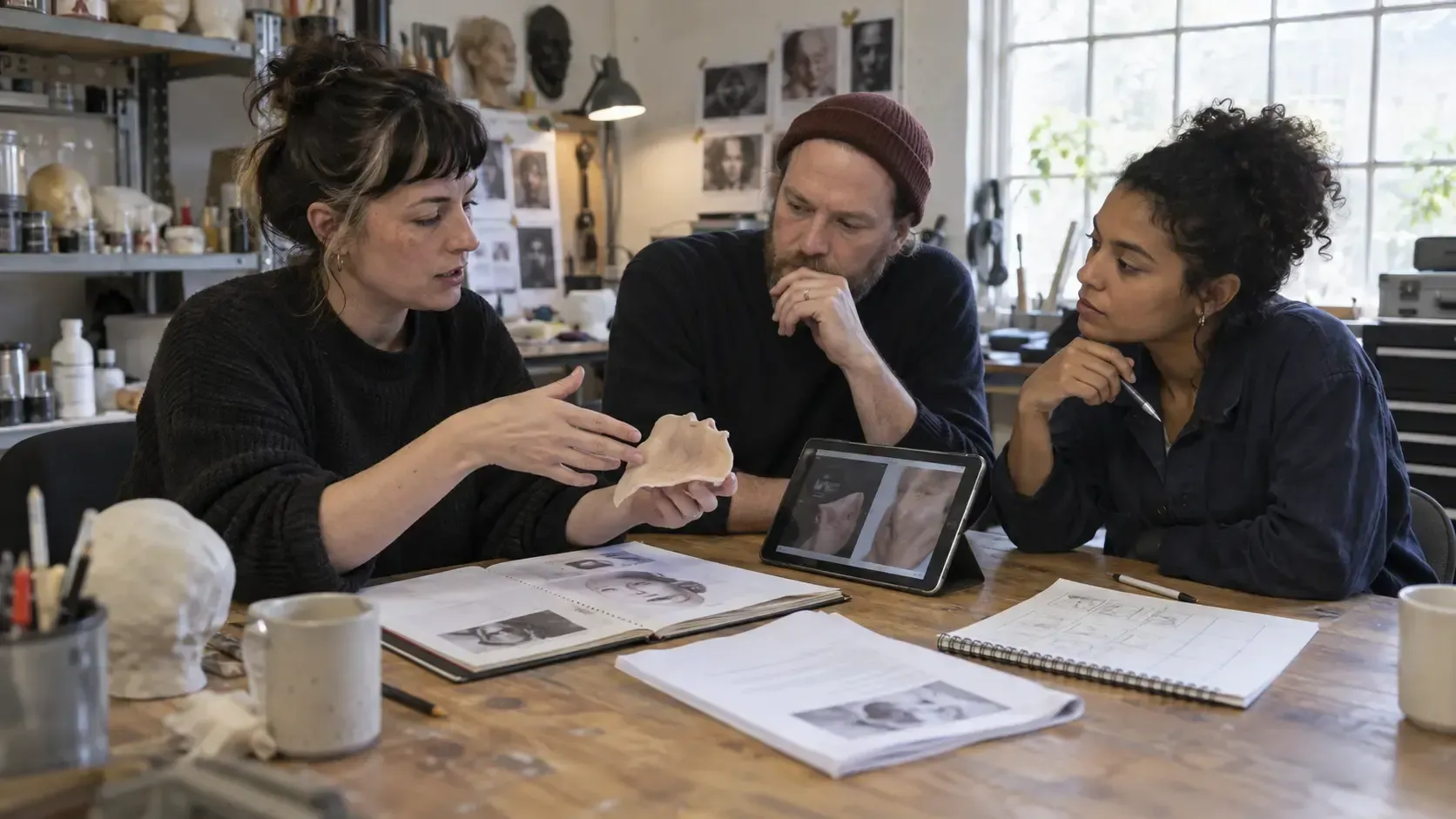
A clear brief and an early conversation make it much easier to identify the right creative approach, obtain a realistic quotation and protect the production schedule. This guide explains what producers and makeup departments should consider when commissioning professional special makeup effects.
When Should You Contact an SFX Makeup Artist?
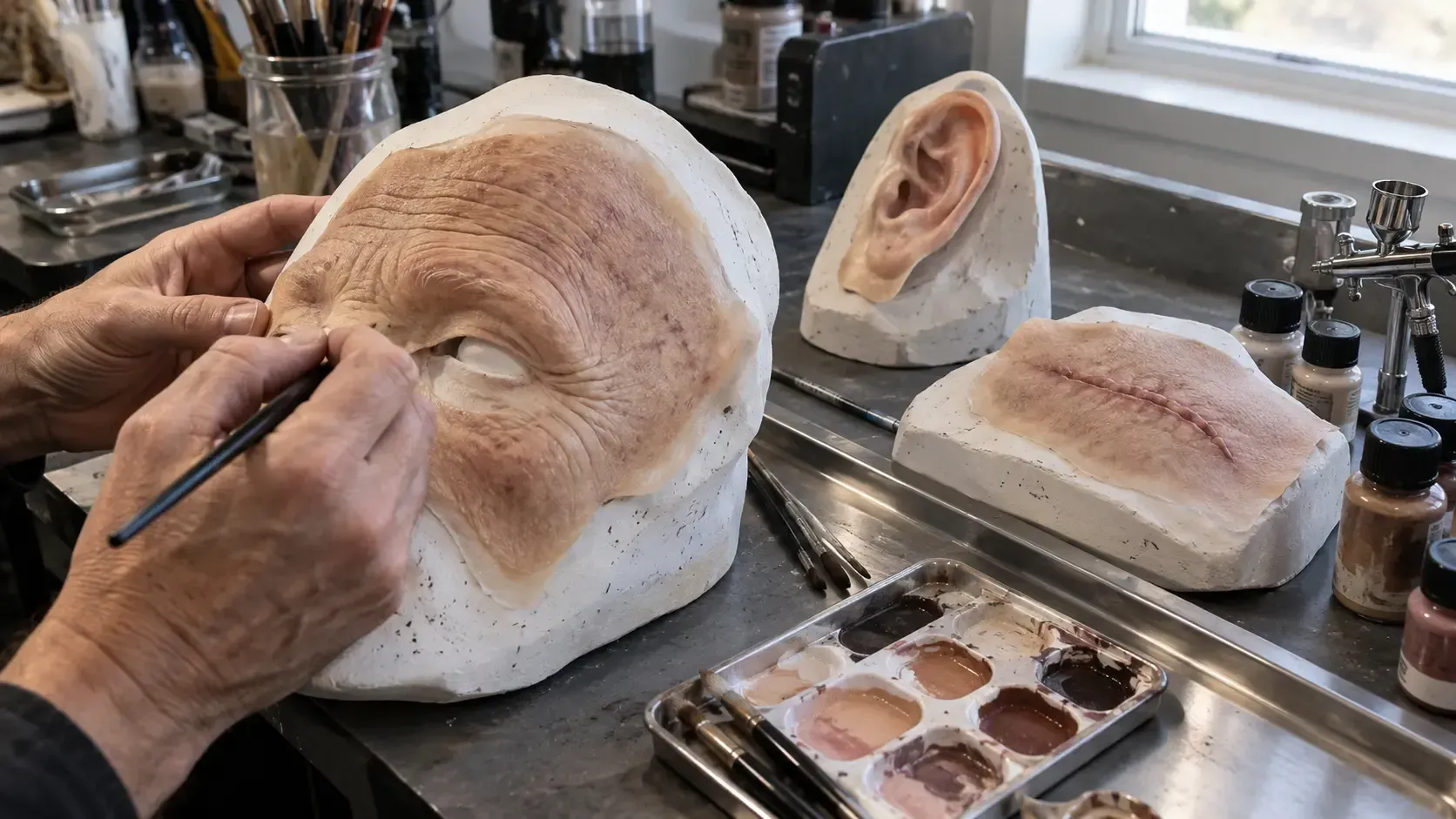
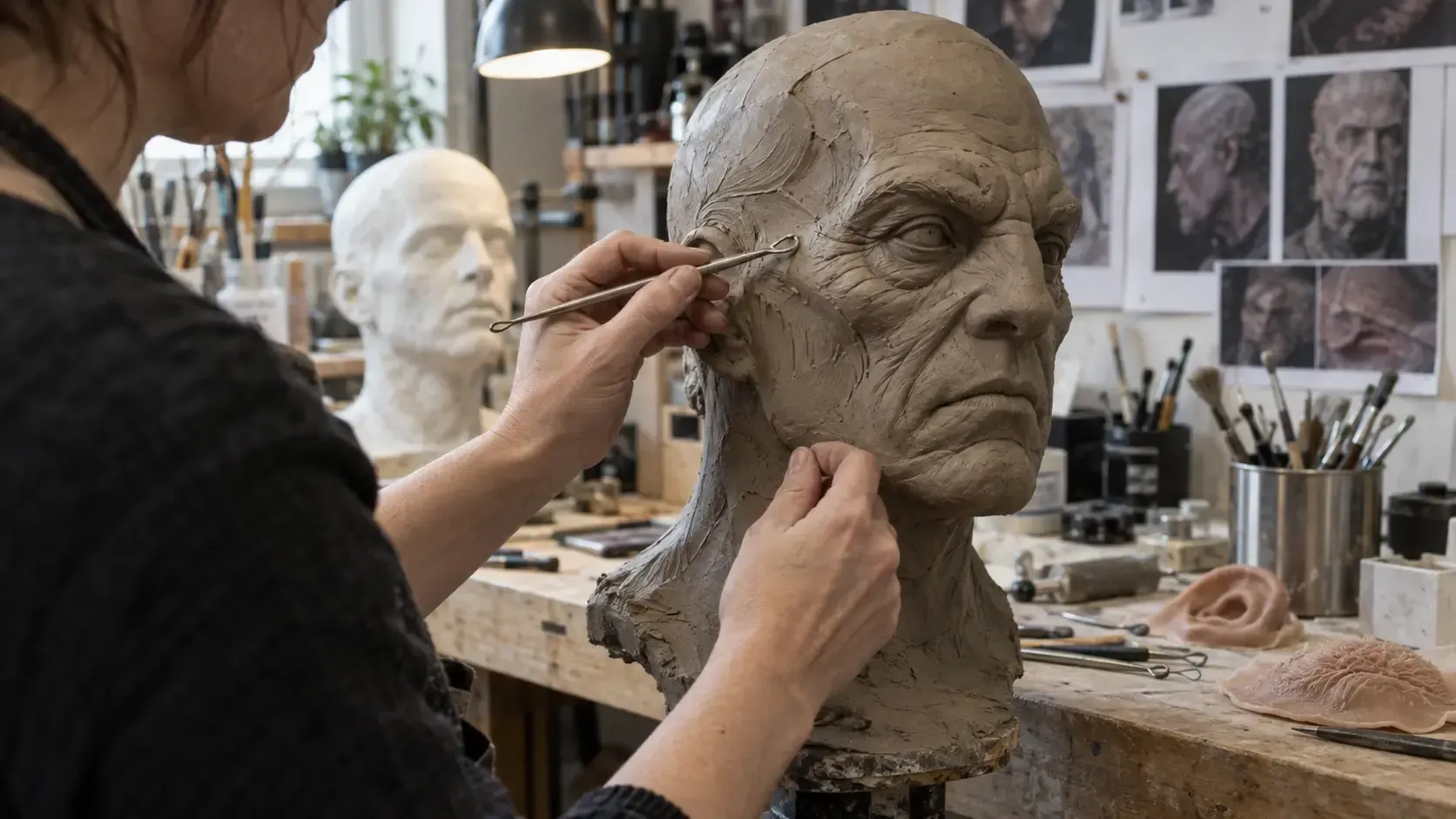
Make contact as early as possible in pre-production. Even an effect that appears briefly on screen may involve design work, performer measurements or casting, sculpture, mould-making, fabrication, colouring, application tests and approvals.
Early contact is particularly important when the work involves principal cast, multiple shoot days, full facial appliances, ageing across a story, creature elements or effects that interact with costume, props, stunts or practical blood.
What to Include in Your Initial Brief?
The first enquiry does not need to contain every answer, but useful information allows an artist to assess the scale and feasibility of the work.
- The script or relevant scene breakdown
- A short description of each required effect
- Reference images or approved concept artwork
- The intended camera coverage and level of detail
- Cast information and performer availability
- Shoot dates, locations and expected application days
- Known budget parameters
- Whether application and on-set continuity are required
If some details are still being developed, say so. A collaborative SFX makeup artist can help identify the decisions that must be made first and the areas where the design can remain flexible.

How to Assess a Special Effects Makeup Artist
Relevant Screen Experience
Look for work created for film or television, not only portfolio photographs. Screen effects must respond convincingly to lighting, lenses, movement and editing, and they must survive the planned shooting conditions.
A Portfolio Relevant to the Brief
The strongest artist is not necessarily the one with the largest portfolio. Look for evidence of the particular qualities your production needs, whether that is subtle realism, ageing, trauma, character transformation or creature work.
Production Awareness
A professional artist should ask about schedules, performer comfort, application time, duplicate appliances, continuity and other departments. These practical questions are as important as the initial design.
Clear Communication and Quotation
The quotation should define what is included, the assumptions on which it is based and any costs dependent on casting, tests, revisions, materials, crew or shoot days. A vague brief usually produces a vague price.
Freelance Artist or Effects Studio?
A single artist may be ideal for contained makeup requirements or on-set application. A studio becomes valuable when the project requires several specialist processes, multiple appliances, workshop fabrication, mechanical integration or a team that can scale across preparation and shooting.
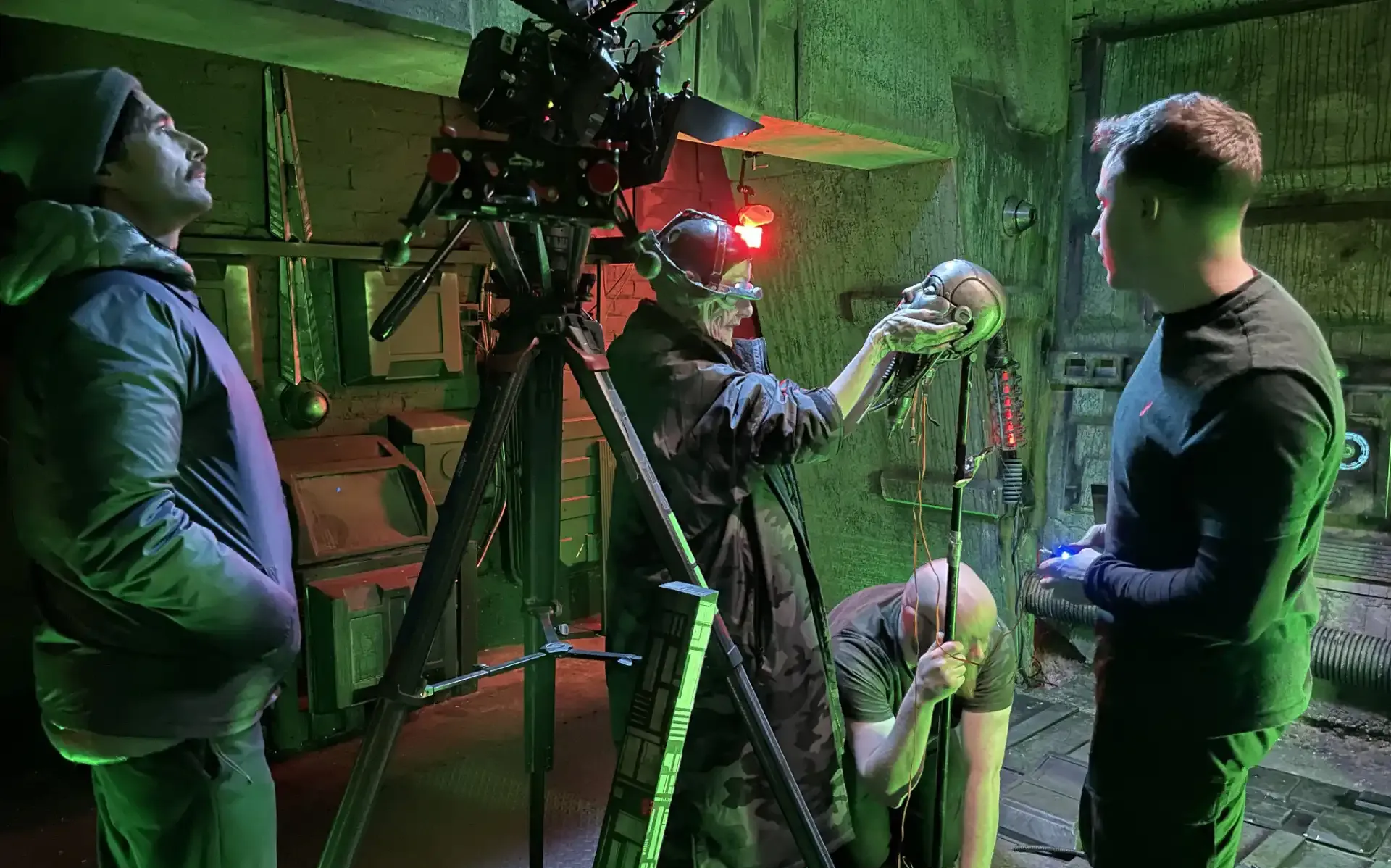
Oracle FX can provide a complete service or collaborate with an existing makeup department. The right structure depends on the number of effects, complexity, lead time and responsibilities already covered by the production.

Questions to Ask Before Commissioning
- Have you produced comparable work for professional cameras?
- Who will design, fabricate and apply the effects?
- How many tests and approval stages are included?
- How much performer time is required before filming?
- How many appliances or replacements are recommended?
- What on-set maintenance and continuity support is included?
- What information could change the quotation or schedule?
Avoiding Common Production Problems
Late commissioning can force unnecessary compromises. Other common problems include approving a design without considering application time, underestimating the number of appliances needed, failing to test against costume or lighting, and leaving responsibility for continuity unclear.
A good special effects makeup artist will raise these risks during planning and offer practical options. The aim is not only to create an impressive effect, but to deliver one the production can film successfully.

Discuss Your Makeup Effects Brief with Oracle FX
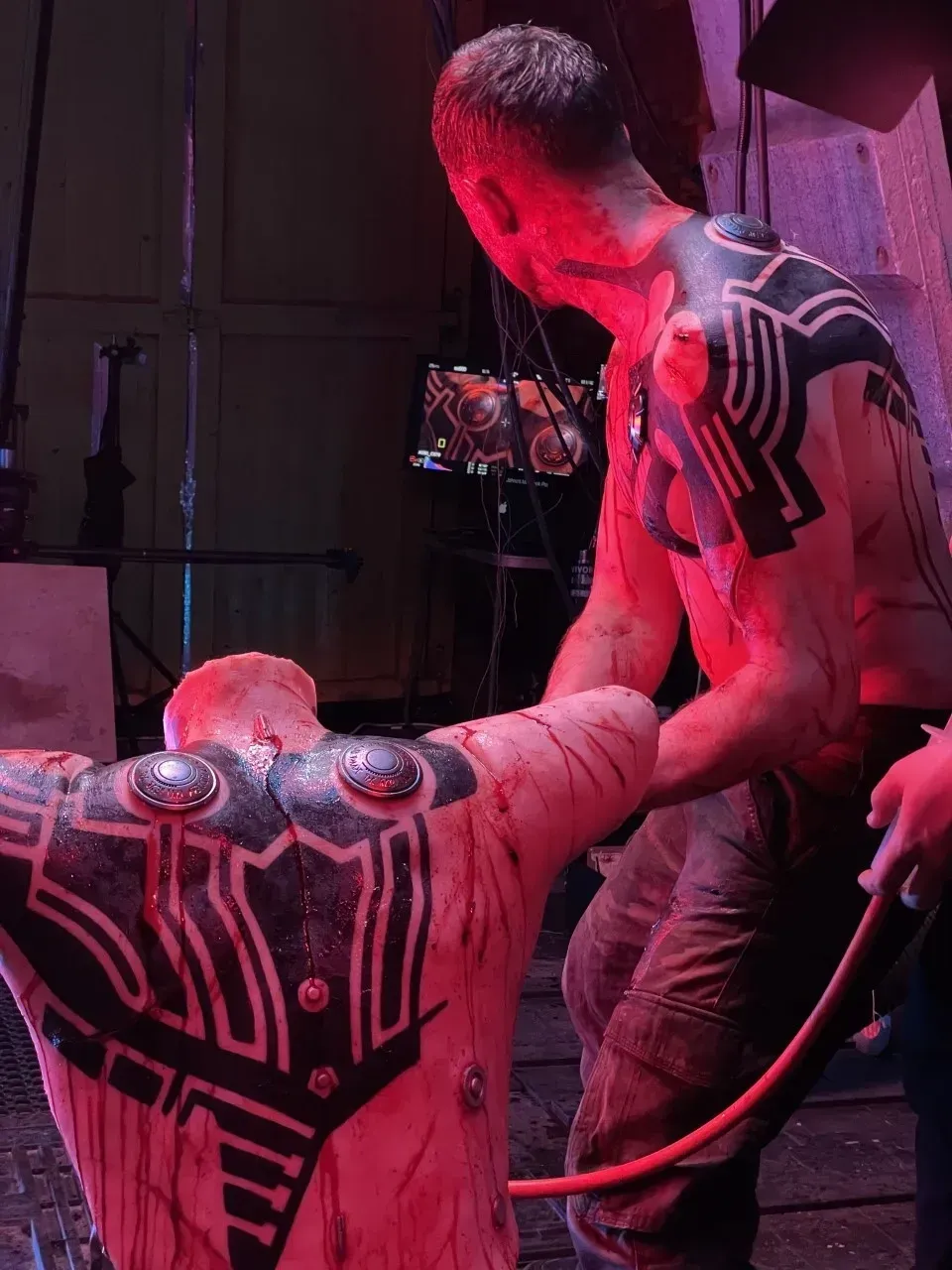
Oracle FX creates professional special effects makeup and prosthetics for film and television. Share your script, references, schedule and known budget with us, and we can advise on feasibility, preparation and the most appropriate next steps.