Introduction
Creature suits remain one of the most powerful tools in practical effects for film and television. While CGI continues to evolve, physical creature builds offer something digital assets often struggle to replicate: authentic presence on set. When designed correctly, a creature suit enhances actor performance, integrates naturally with lighting and cinematography, and delivers lasting on-screen realism.
For production teams exploring creature effects for film, understanding the design and build process is essential. As a practical effects studio UK filmmakers rely on for full-scale creature fabrication, Oracle FX works from early concept development through to on-set supervision. This article breaks down how creature suits are designed for film production — and what producers should consider before commissioning a build.
Concept Development & Script Breakdown
Every successful creature suit begins with a clear understanding of the script.
Before materials are sourced or sculpting begins, the effects team will assess:
- Screen time and narrative importance
- Required movement and physicality
- Interaction with actors and environment
- Stunt or action requirements
- Close-up versus wide-shot usage
This stage often involves collaboration between the director, production designer and VFX supervisor. If a hybrid approach is planned, early alignment ensures that practical elements and digital enhancements complement one another.
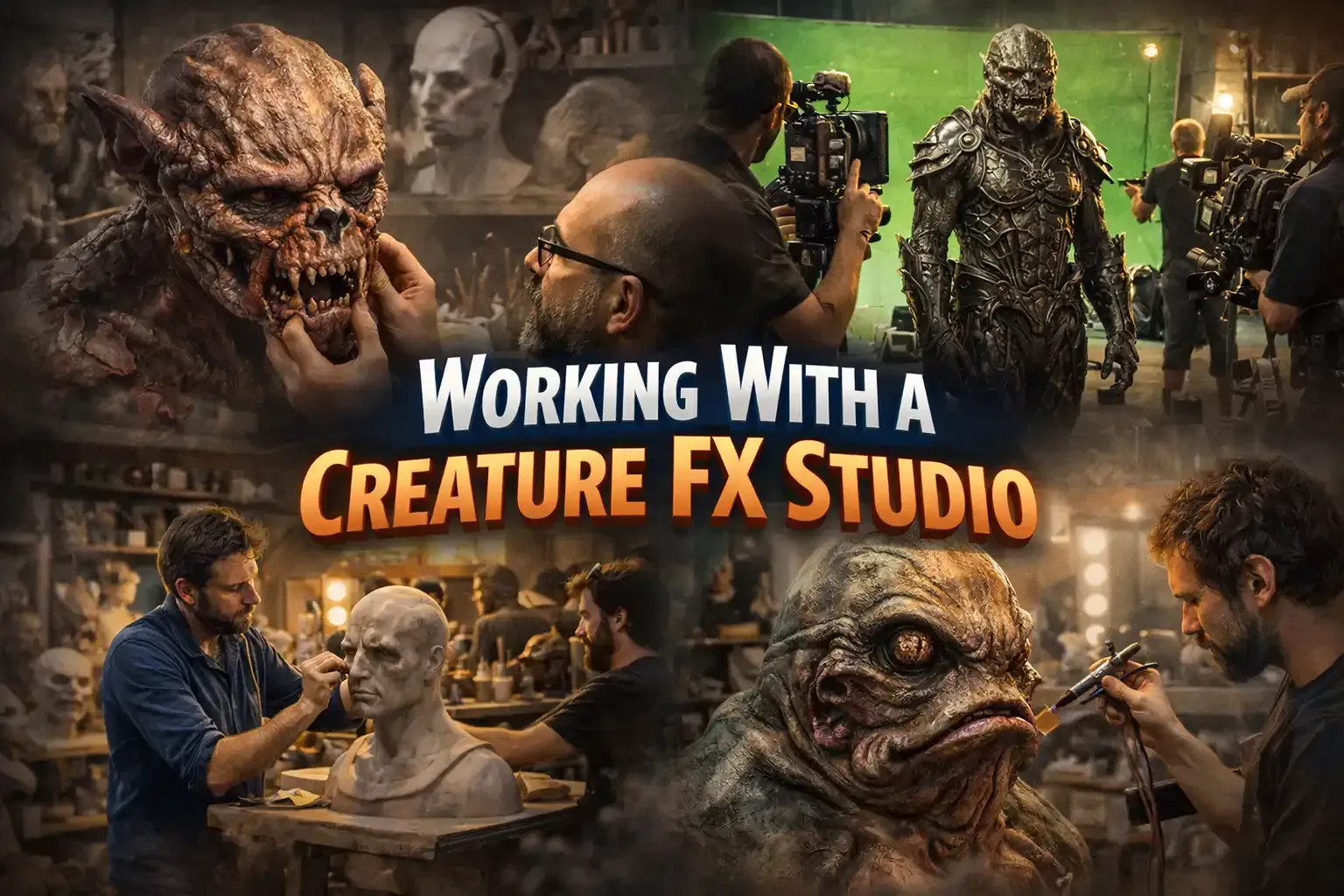
For projects requiring complex builds, our Creature Effects service begins at pre-production, ensuring design decisions support both creative intent and logistical feasibility.
Early planning prevents costly redesigns later.
Sculpting & Design Translation
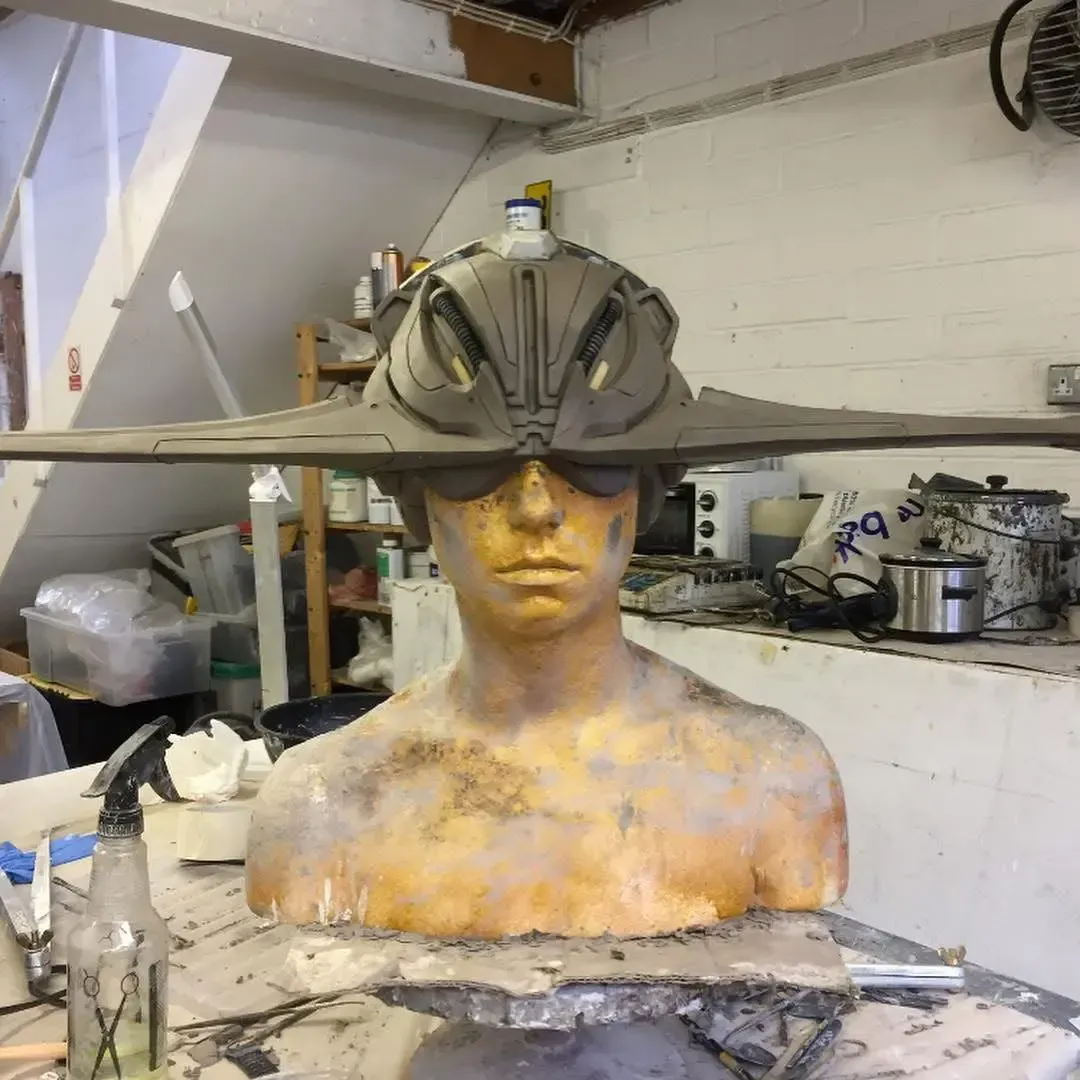
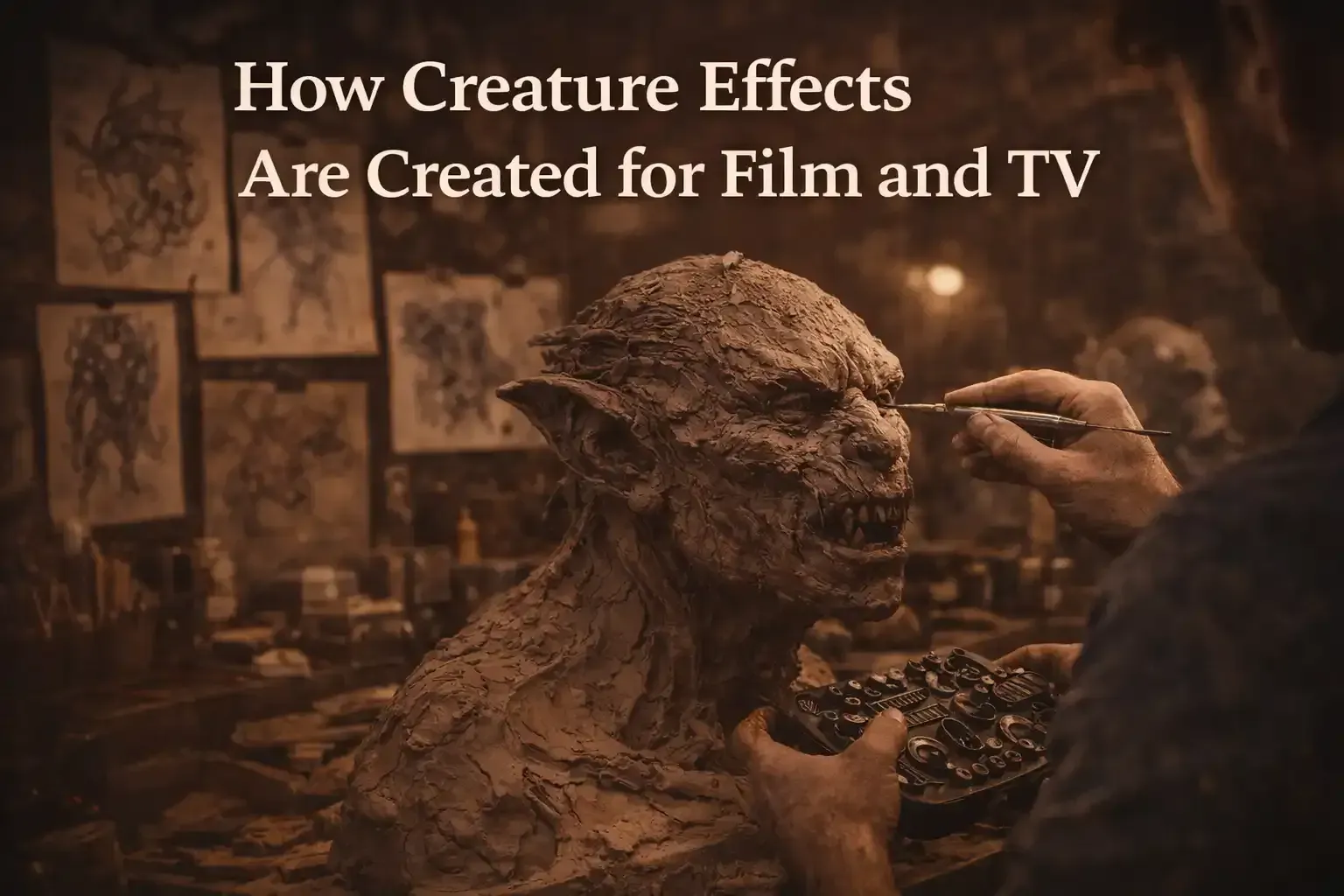
Once the concept is approved, the next phase is sculpting.
Design artwork is translated into a physical maquette or full-scale clay sculpture. This stage defines:
- Anatomical structure
- Muscle form
- Surface texture
- Facial expression range
At this point, practical considerations become critical. A creature may look compelling in 2D artwork, but it must function in reality. Weight distribution, ventilation, performer comfort and mobility all influence the final build.
For productions requiring precise performer integration, Lifecasting Services are often conducted early in the process. Accurate body casts ensure the internal structure of the suit fits the performer perfectly, improving realism and reducing fatigue during long shoot days.
Materials & Fabrication
Modern creature suits typically combine several materials, each selected for specific properties:
- Silicone for realistic skin movement
- Foam latex for lightweight flexibility
- Urethane components for structural areas
- Internal harness systems for stability
Material choice depends on:
- Shooting duration
- Environmental conditions (heat, water, dust)
- Level of stunt activity
- Budget constraints
Durability is a major factor in film production. A suit designed for a single controlled scene differs significantly from one required across multiple weeks of filming.
Oracle FX approaches fabrication with longevity in mind, ensuring builds withstand production demands without compromising detail.
Movement & Performance Considerations
A creature suit is not simply a costume — it is a performance tool.
Movement design must consider:
- Range of limb motion
- Neck articulation
- Facial expression capability
- Hand functionality
- Breathing and visibility for the performer
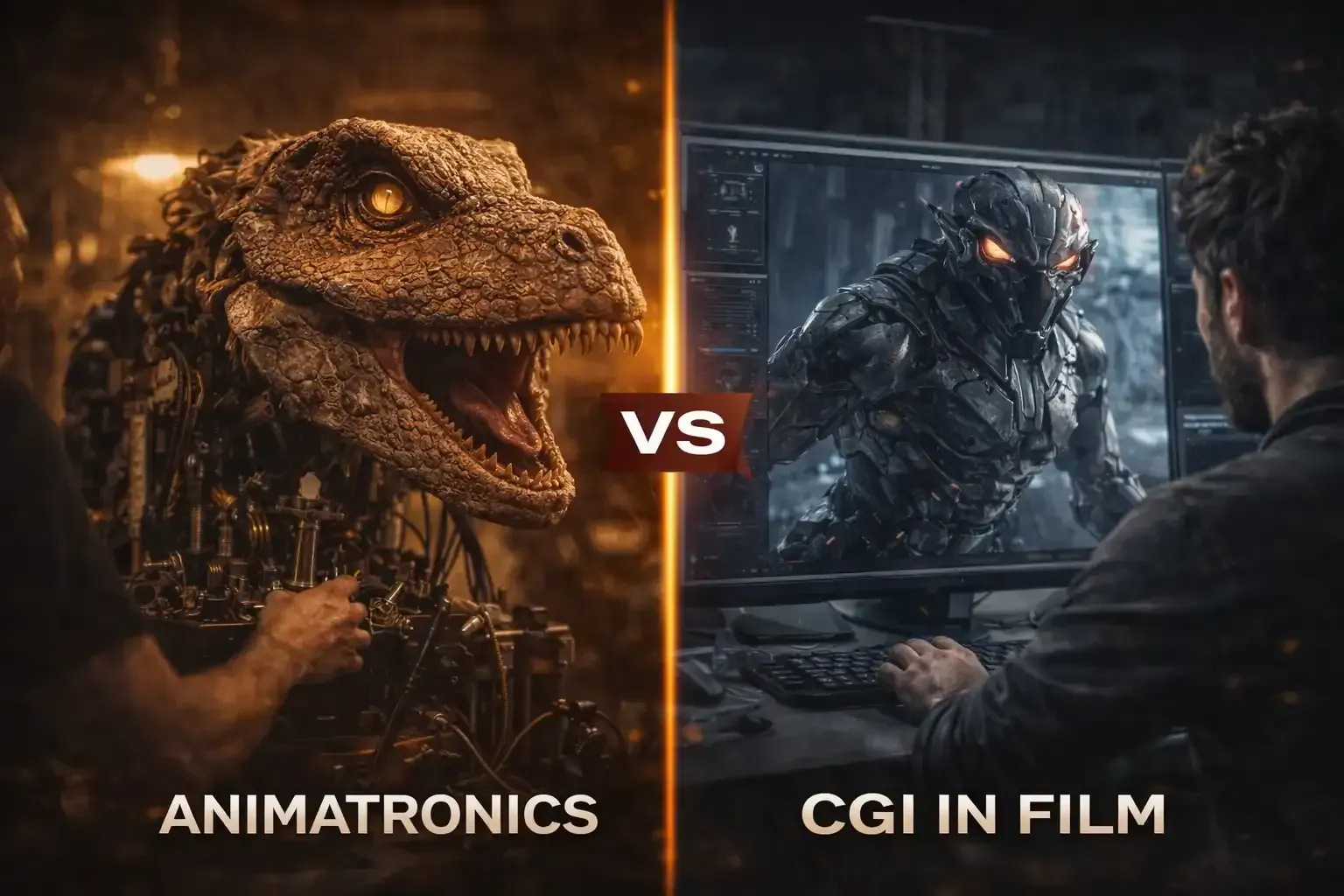
For more expressive creatures, animatronic components may be integrated. Our Animatronics for Film Production service allows for blinking eyes, jaw movement or subtle facial articulation controlled mechanically or remotely.
When the creature must deliver emotional performance, these enhancements significantly elevate realism.
Crucially, performers must be able to inhabit the character comfortably. Suit weight, heat management and balance all impact performance quality. Professional creature fabrication prioritises these factors from the outset.
Camera, Lighting & On-Set Integration
A creature suit does not exist in isolation — it must work with the camera.
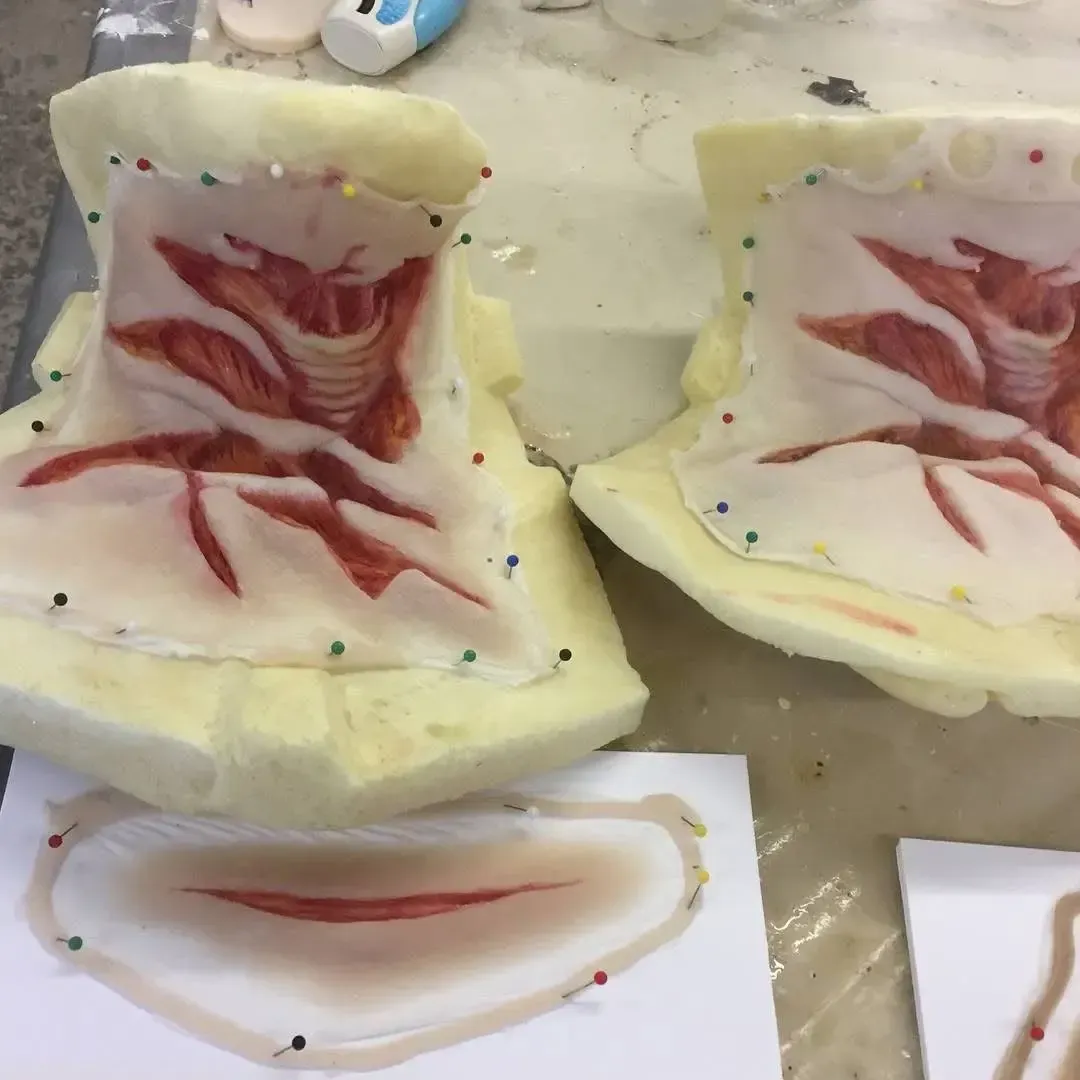
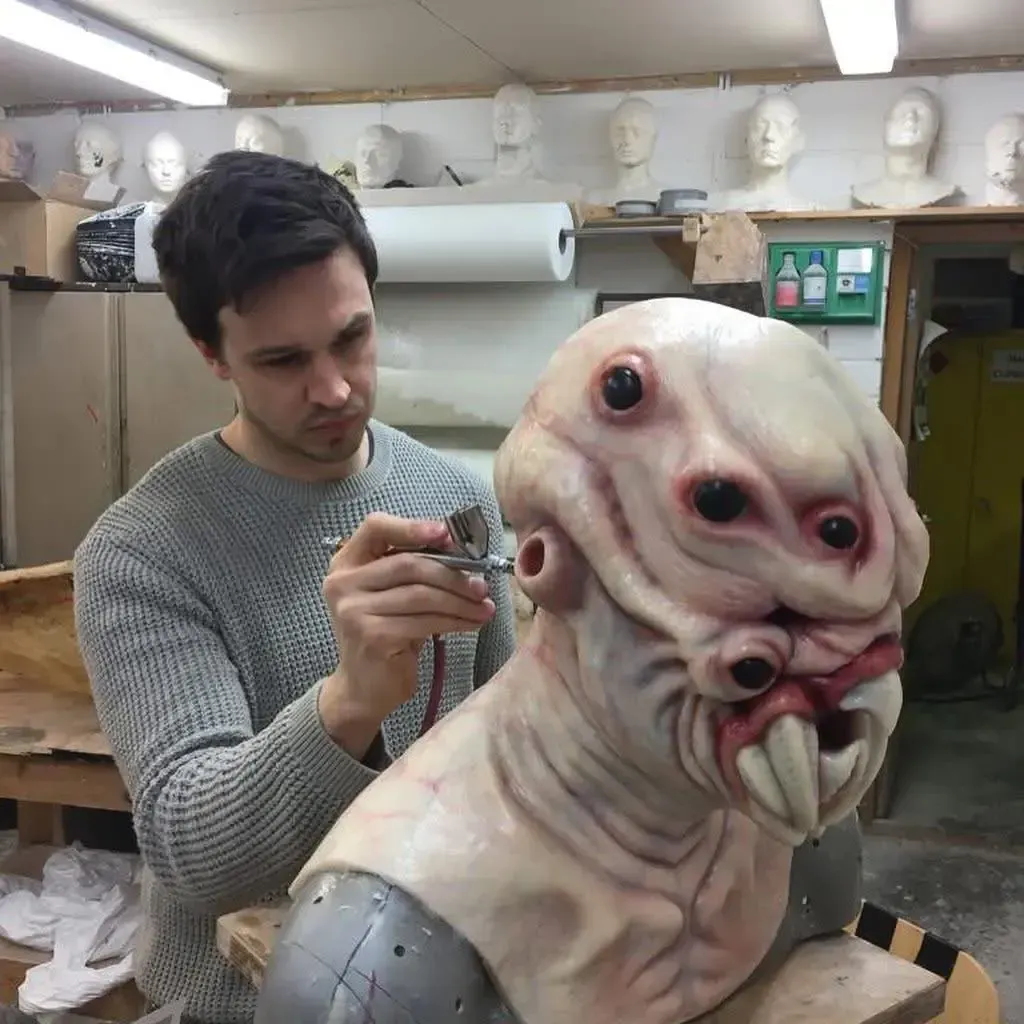
Surface texture and paint application are designed with cinematography in mind. Subtle translucency in silicone, layered pigmentation and realistic veining help the suit respond naturally to lighting conditions.
Physical effects also allow directors to capture in-camera moments without relying entirely on post-production. Shadows fall accurately. Actors maintain correct eye lines. Physical interaction feels grounded.
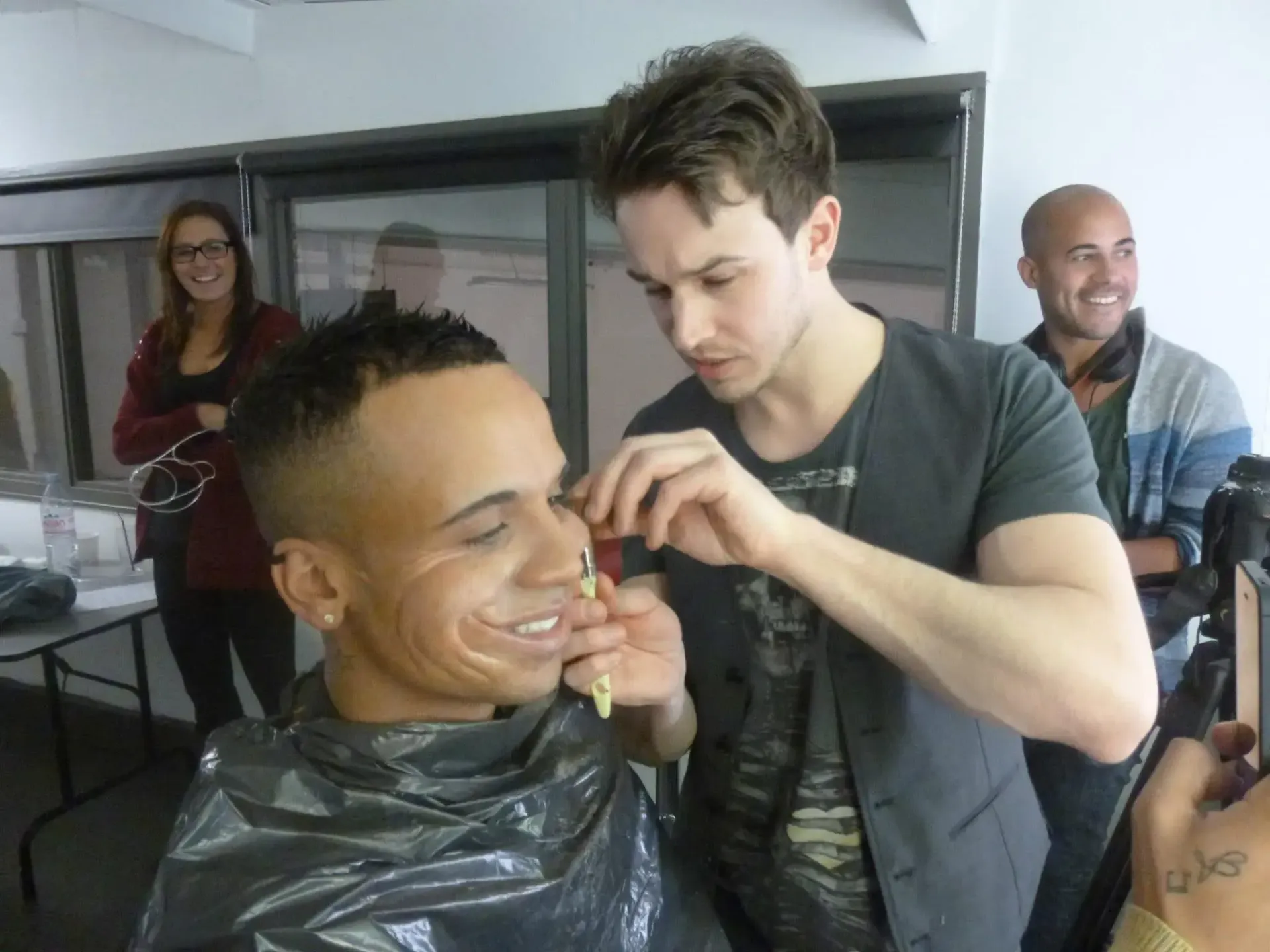
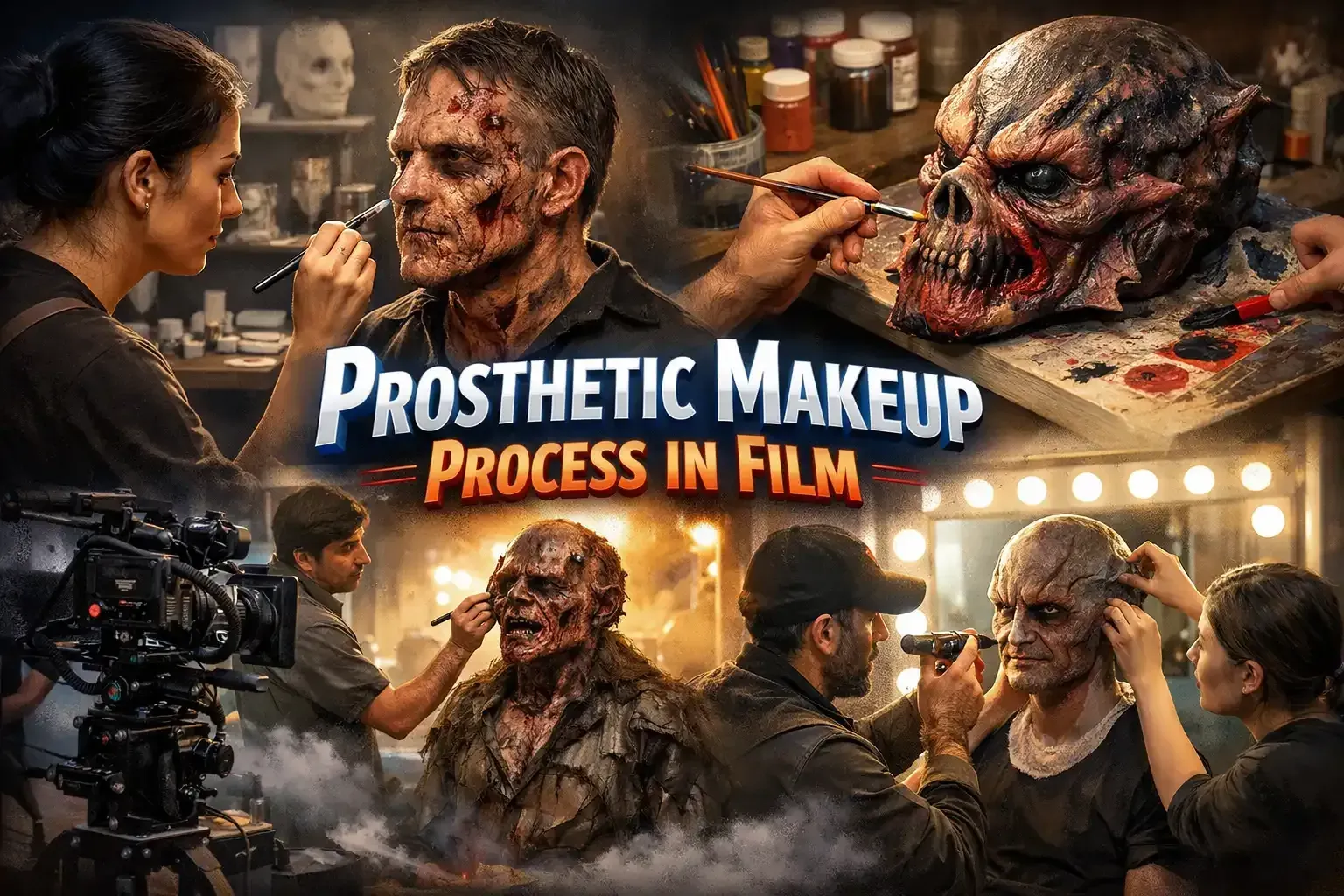
For productions combining prosthetic elements with full suits, our Prosthetic Makeup service ensures seamless blending between performer and creature components.
On-set supervision is often essential. Minor repairs, adjustments and continuity checks maintain quality throughout the shoot.
Budget Implications & Production Planning
Producers often ask: how long does a creature suit take to build?
Timelines vary depending on complexity, but full creature builds typically require several weeks of design, sculpting and fabrication.
Budget considerations include:
- Design development time
- Material costs
- Performer fittings
- On-set support
- Backup components
However, practical creature suits can reduce post-production costs, particularly when screen time is focused and controlled.
For independent filmmakers, partial builds or hybrid approaches may offer an efficient solution — for example, a detailed upper-body suit for close-ups combined with digital augmentation for wider shots.
If you are early in budgeting discussions, our article on Budgeting for Practical Effects in Independent Film explores cost planning in more detail.
Why Practical Creature Suits Still Matter
Despite advances in CGI, practical creature effects continue to hold strong industry value.
They:
- Enhance actor immersion
- Provide authentic lighting interaction
- Offer marketing and behind-the-scenes assets
- Often age better visually than fully digital characters
Audiences instinctively recognise physical texture and weight. That authenticity contributes to suspension of disbelief — particularly in horror, fantasy and science fiction genres.
As a practical effects studio UK production companies partner with, Oracle FX focuses on craftsmanship, durability and performance integration — not just visual impact.
Key Questions Before Commissioning a Creature Suit
Before moving forward, production teams should consider:
- How central is the creature to the narrative?
- How physically demanding are the scenes?
- Will the creature speak or show emotion?
- Is a hybrid approach planned?
- What is the production schedule?
Addressing these questions during pre-production allows for smarter design decisions and stronger results on screen.
Planning a Creature-Driven Production?
If your script involves creature effects for film, early collaboration ensures creative ambition aligns with practical execution.
Explore our specialist services:
Or discuss your concept directly with our team via our Contact Page.
Planning a production?
Speak to Oracle Fx about creature suits, animatronic integration and practical effects design for your next project.