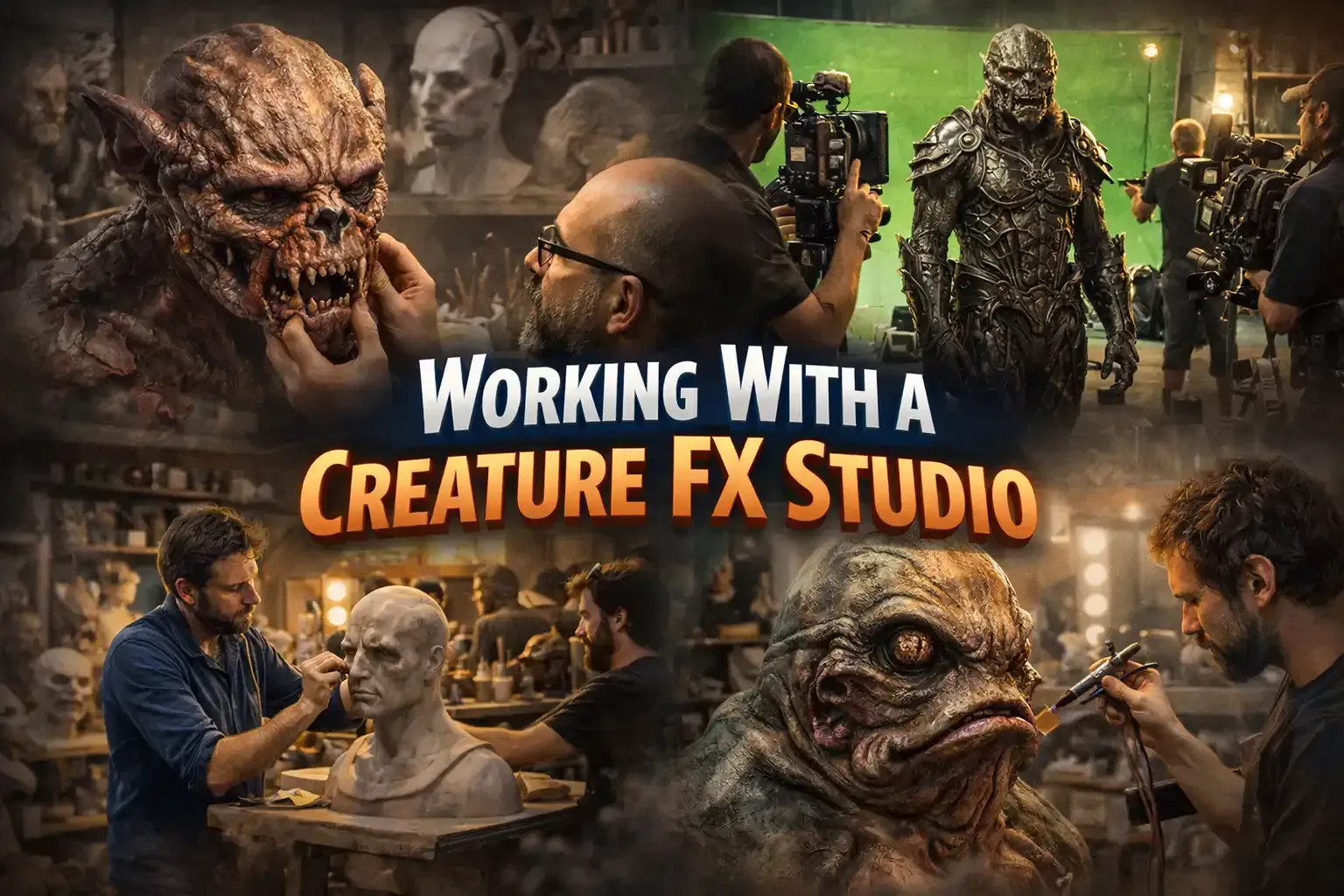
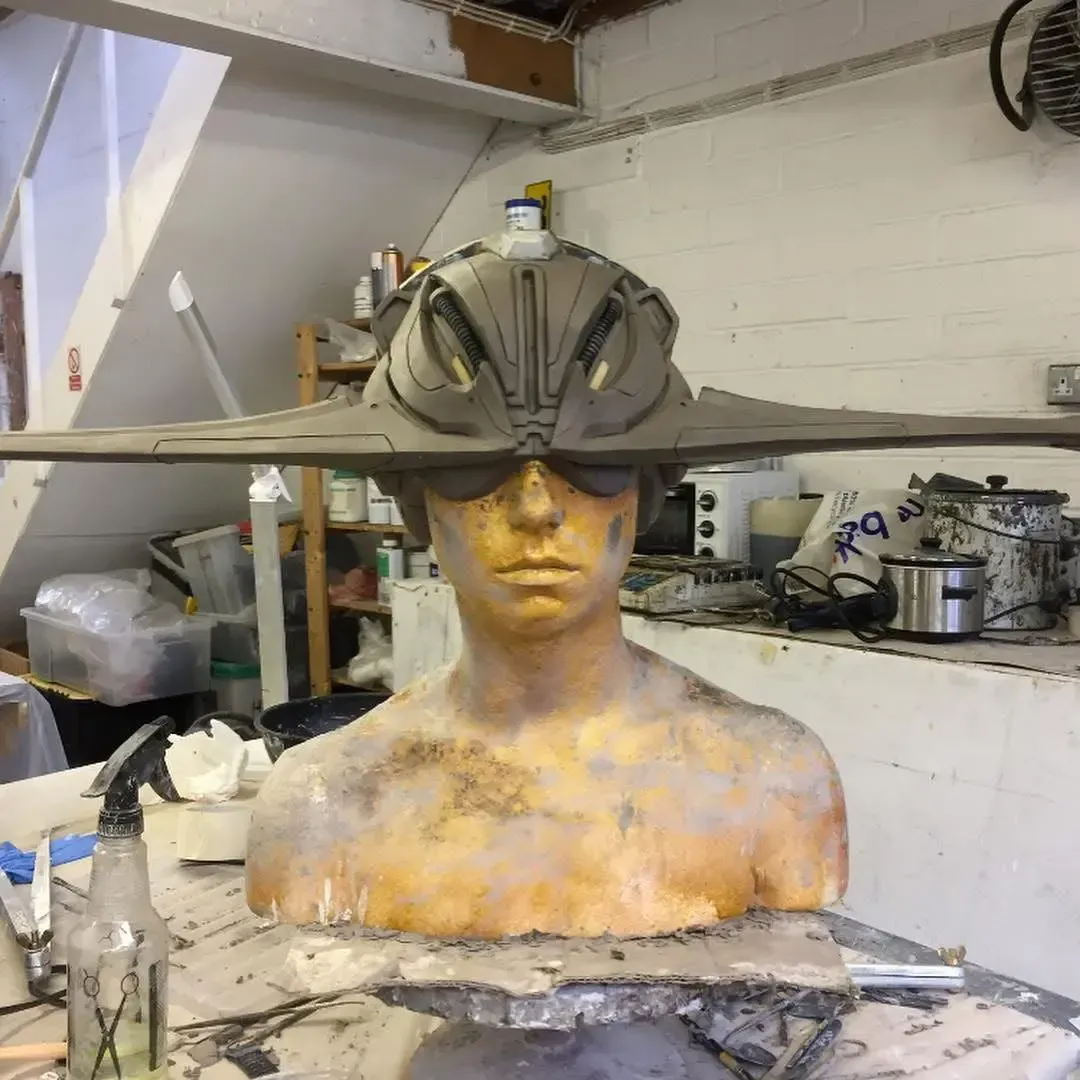
The Process Behind Realistic Prosthetic Makeup in Film

Introduction
From subtle character enhancements to full transformations, prosthetic makeup plays a vital role in modern film and television.
Unlike digital effects, prosthetics are applied physically to performers, allowing them to fully embody a character on screen. This creates a level of realism that enhances both performance and visual impact.
But creating convincing prosthetic makeup is a detailed, multi-stage process that requires planning, precision and specialist expertise.
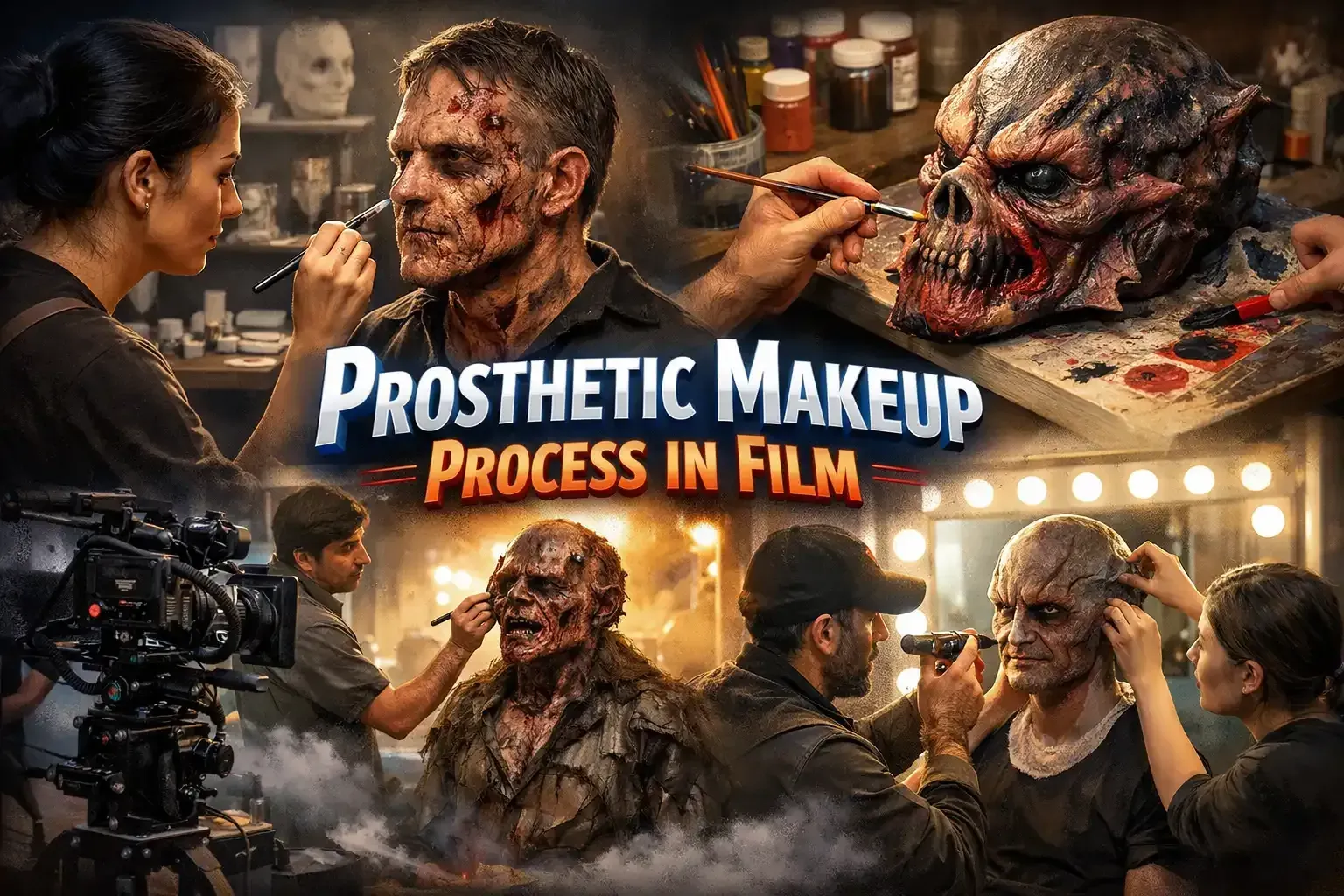
In this guide, we break down how prosthetic makeup is created, from initial lifecasting through to final on-set application.

What Is Prosthetic Makeup?
Prosthetic makeup involves creating and applying custom-made pieces to alter an actor’s appearance.
These can include:
- Facial transformations
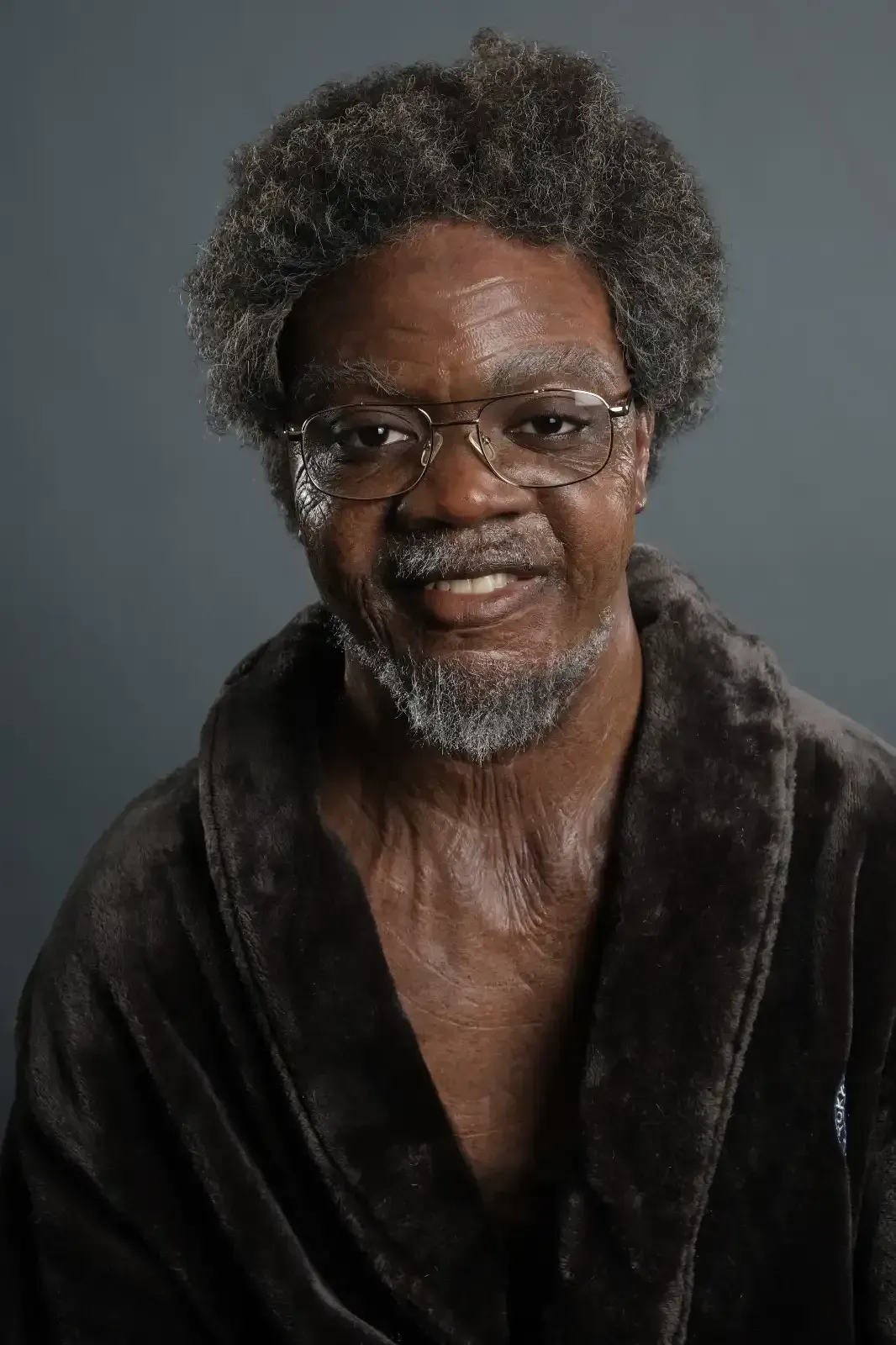
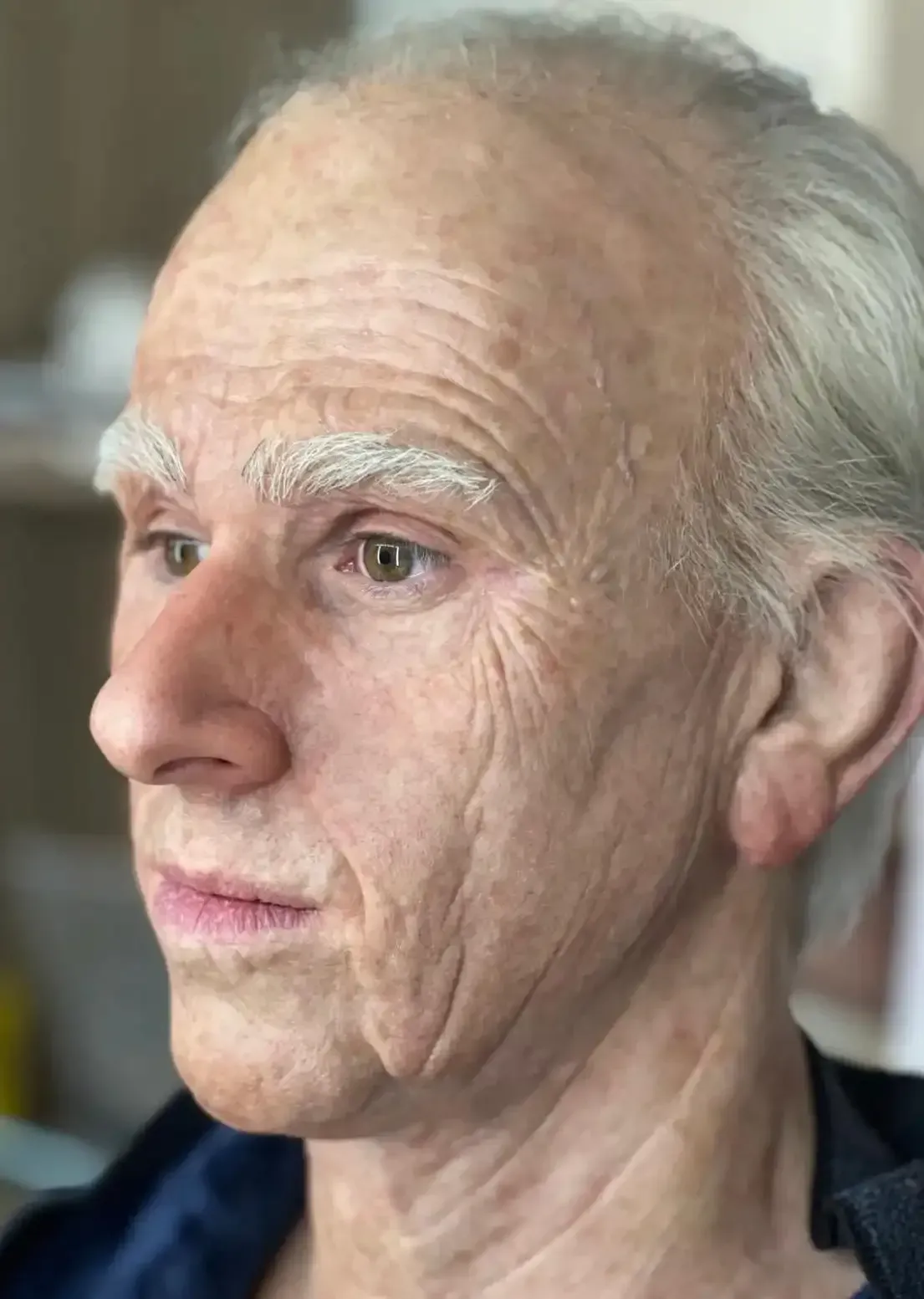
- Ageing effects
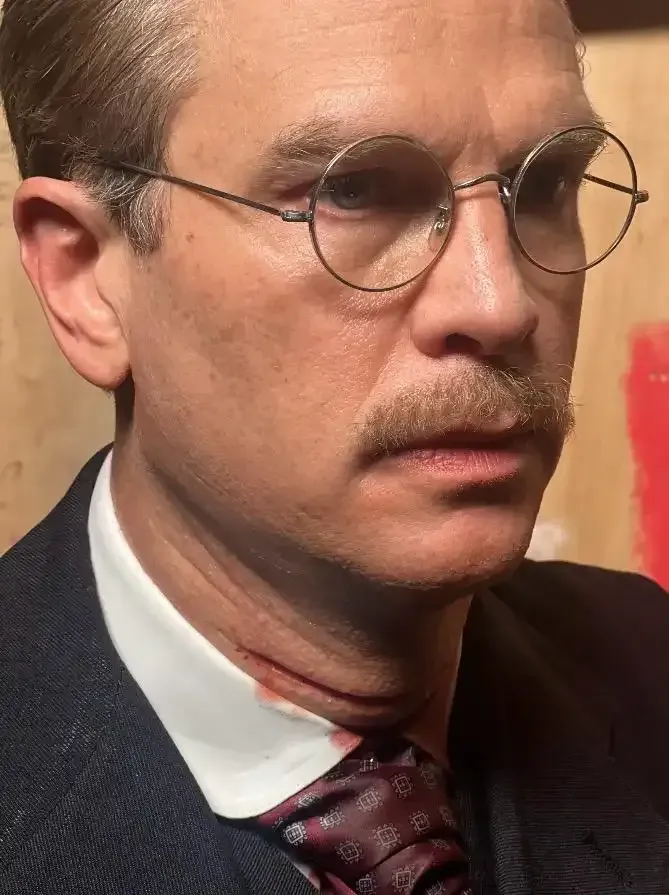
- Injuries, wounds and special effects makeup
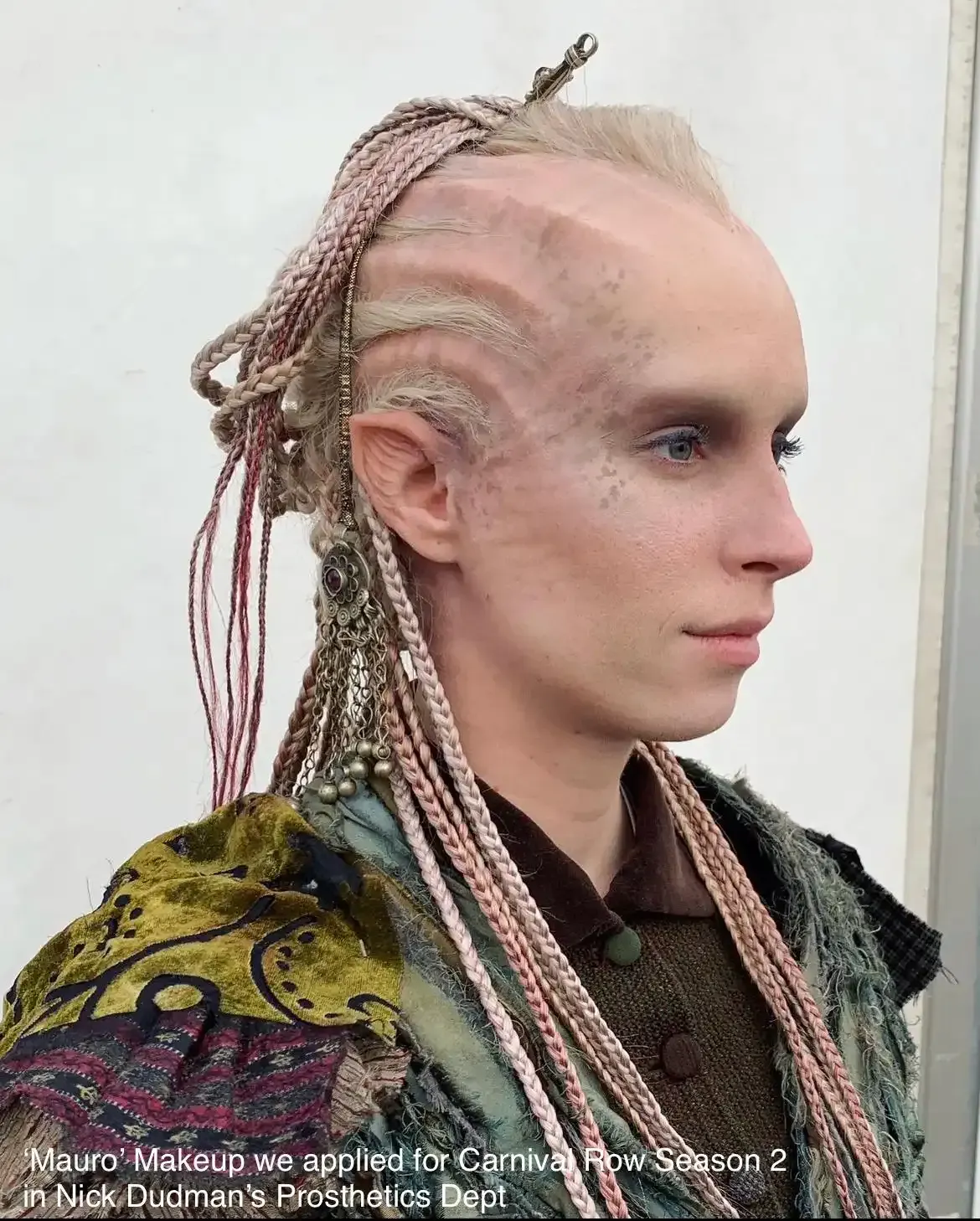
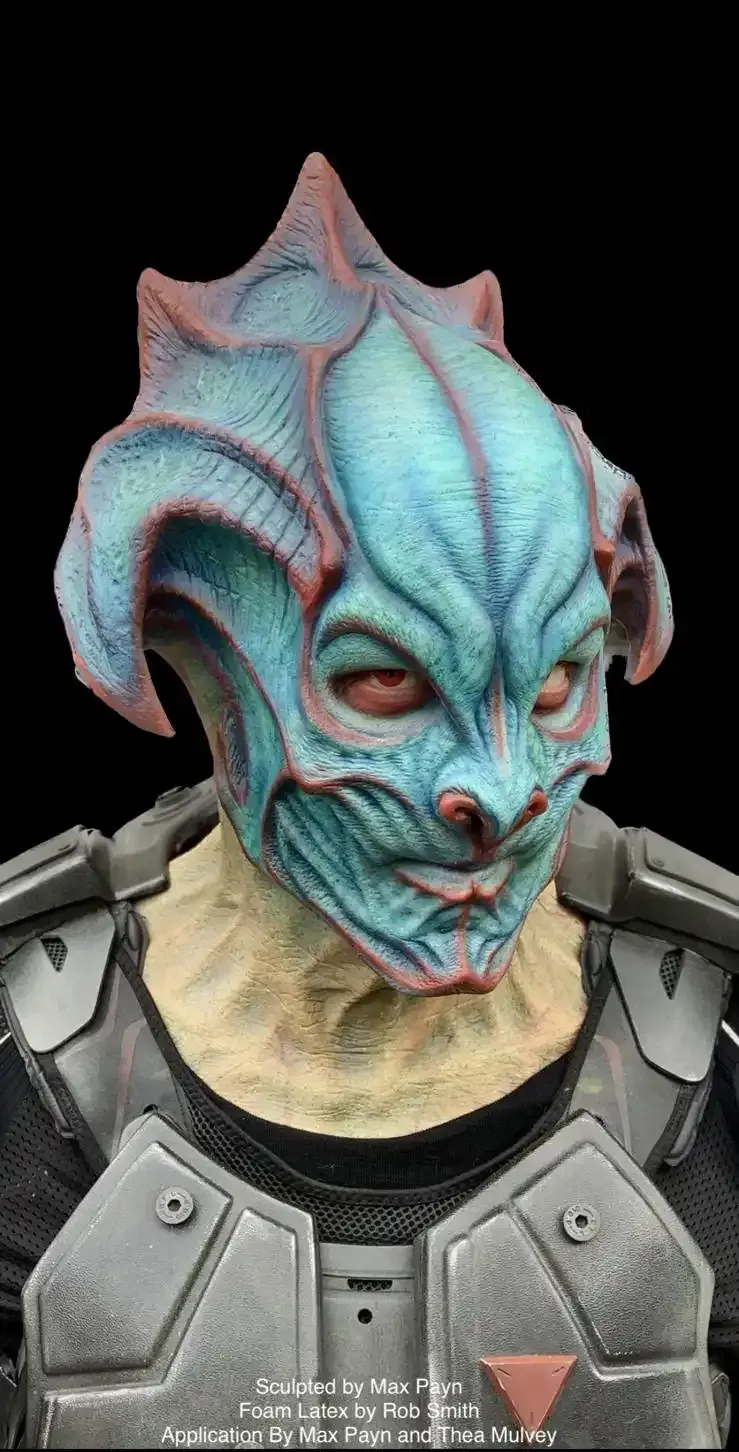
- Character-based enhancements
Prosthetics are designed to move naturally with the performer, ensuring they remain believable under close scrutiny and high-resolution filming.
The Prosthetic Makeup Process Explained
Creating realistic prosthetics involves several key stages, each contributing to the final result.
1. Lifecasting the Performer
The process begins with lifecasting — taking a detailed mould of the actor’s face or body.
This allows artists to:
- Capture exact proportions and features
- Create perfectly fitted prosthetic pieces
- Ensure comfort and performance accuracy
Lifecasting is essential for achieving seamless integration between the prosthetic and the performer.
2. Sculpting the Design
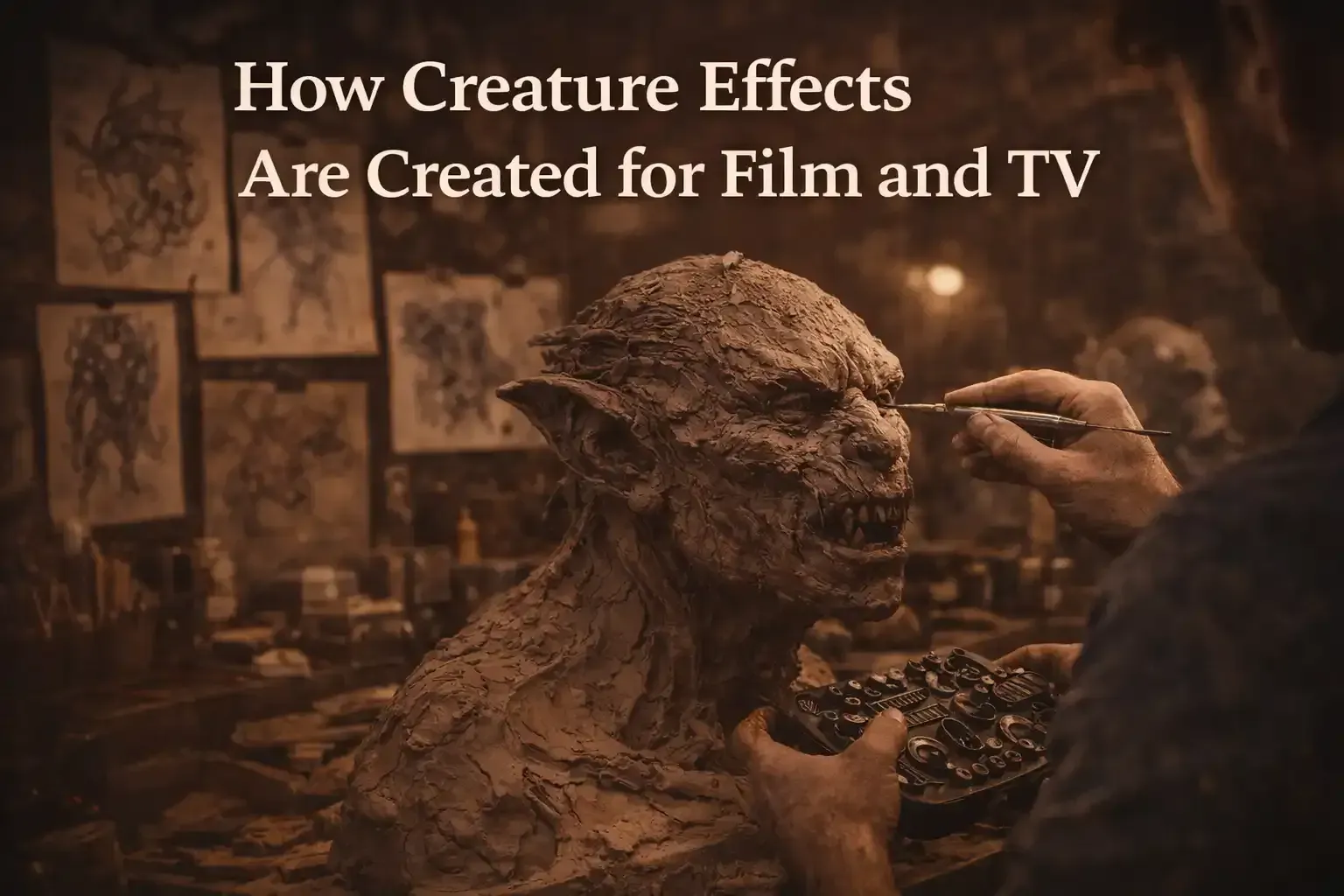
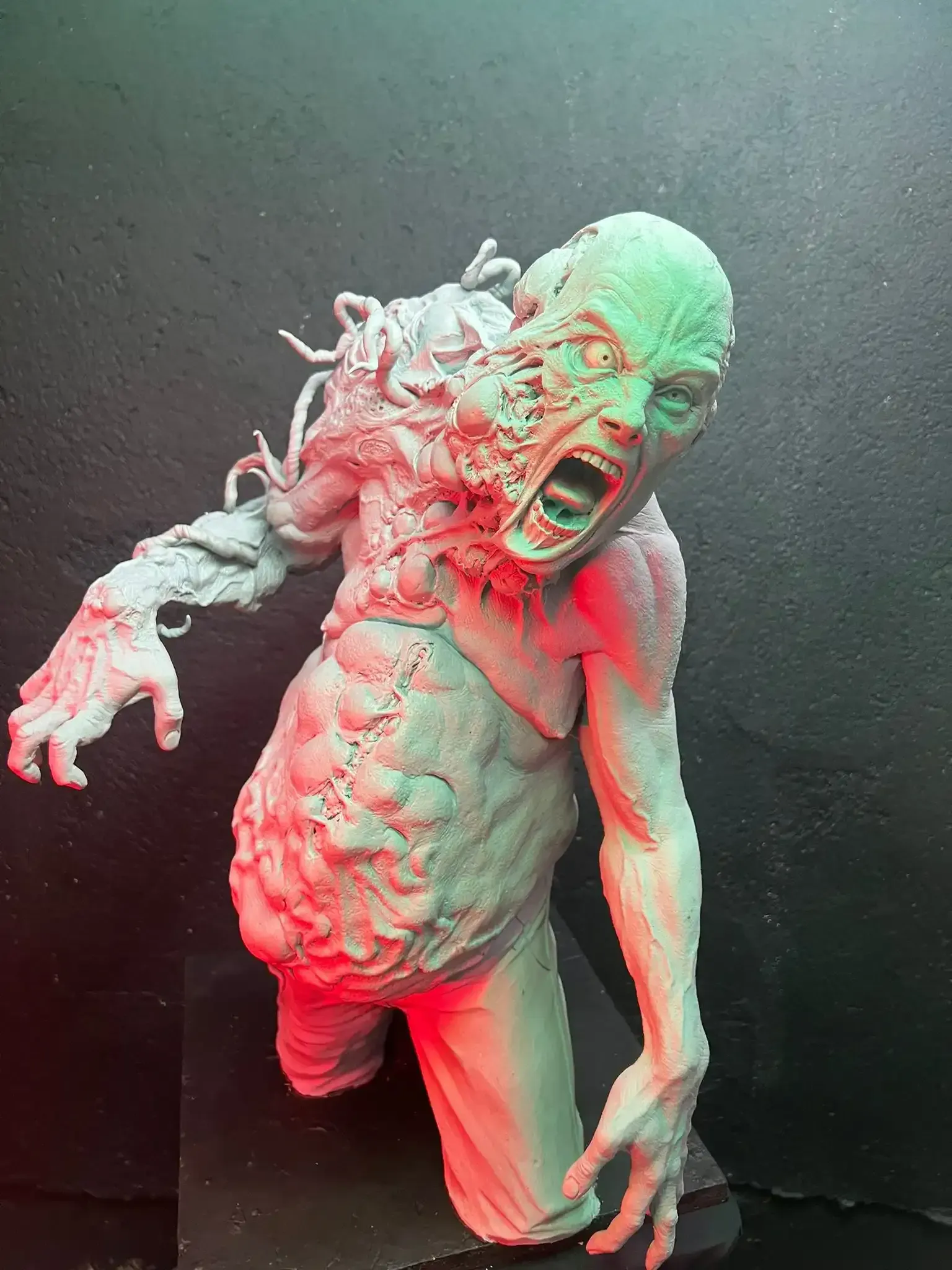
Once the lifecast is complete, artists sculpt the desired transformation.
This stage involves:
- Designing the character’s features
- Refining shapes, textures and anatomy
- Ensuring the design works from all camera angles
The sculpt acts as the blueprint for the final prosthetic.
3. Mould Making and Casting
After sculpting, moulds are created to produce the prosthetic pieces.
Common materials include:
- Silicone for realistic skin texture
- Foam latex for lightweight applications
- Gel-based materials for flexibility
Material choice depends on the complexity of the design and how the prosthetic needs to perform on set.
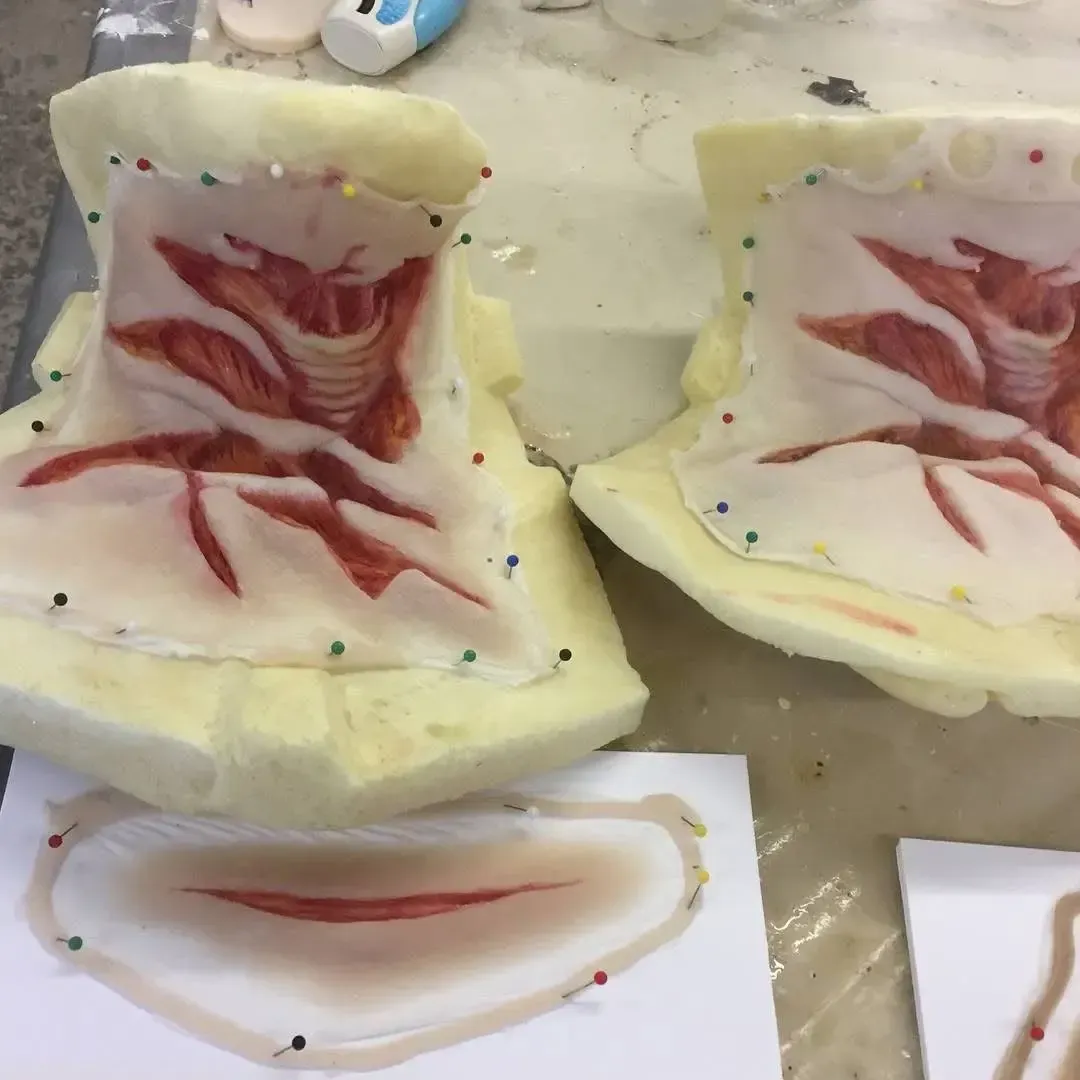
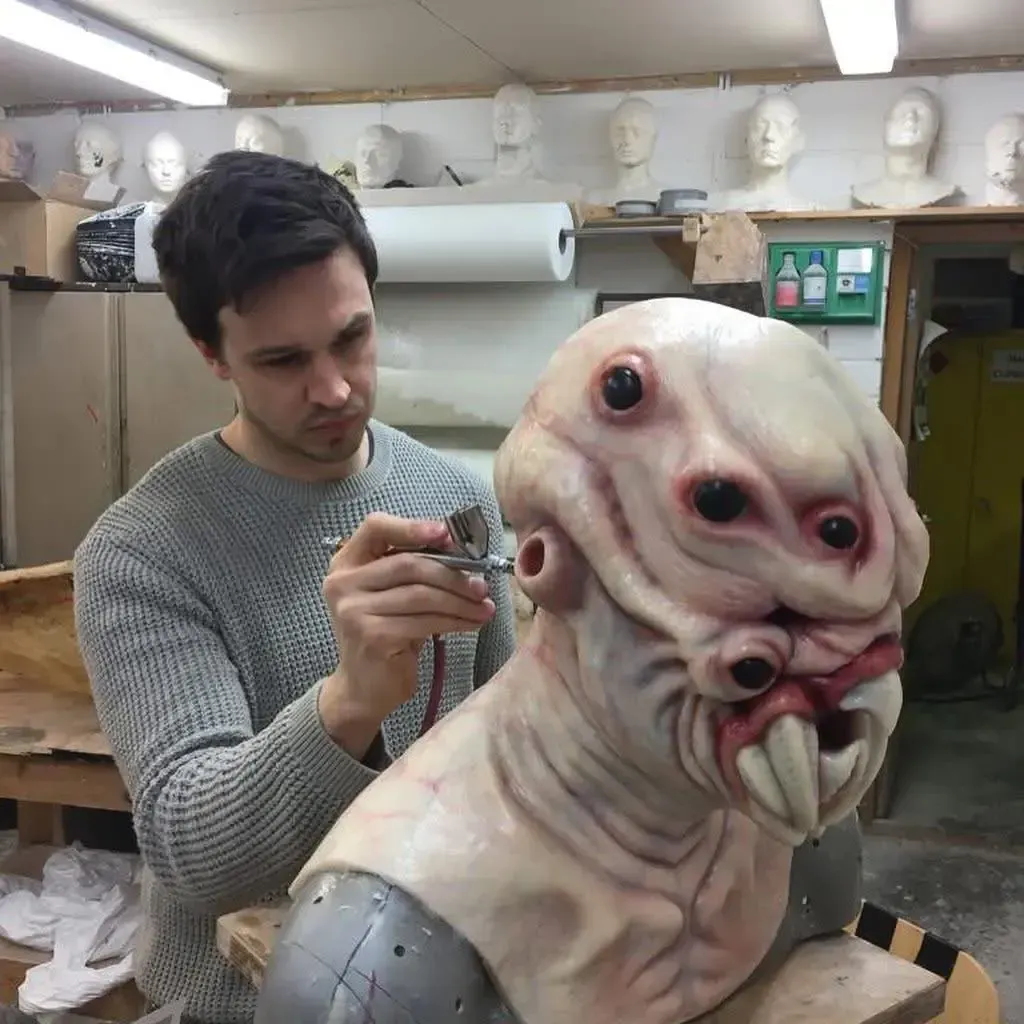
4. Painting and Detailing
Painting is where the prosthetic truly comes to life.
Artists carefully layer colour to create:
- Skin tones and translucency
- Veins, freckles and imperfections
- Subtle variations that enhance realism
This stage is critical for ensuring the prosthetic blends seamlessly with the actor’s natural features.
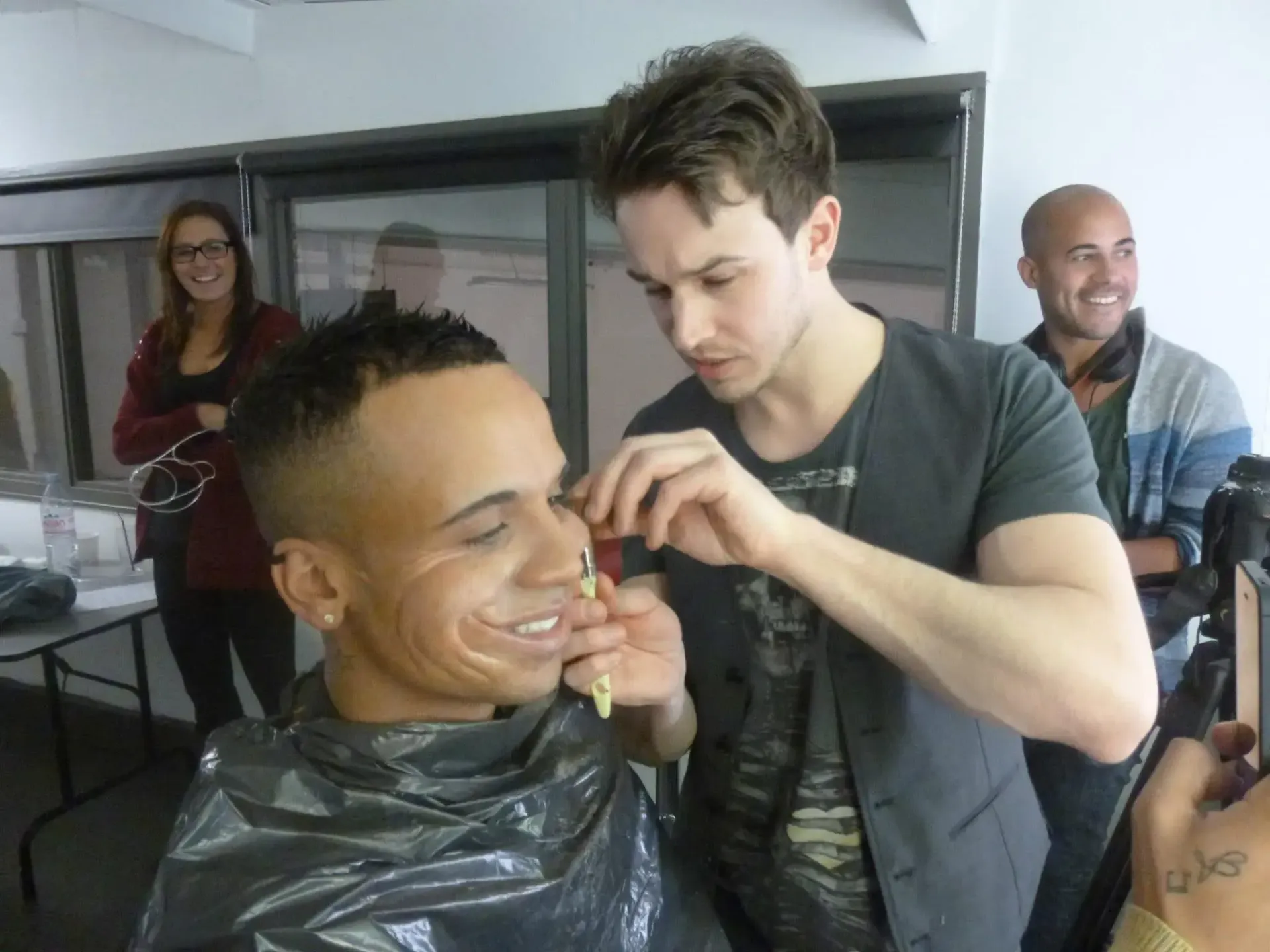
5. Application on Set
On filming days, prosthetics are applied to the performer.
This process can take several hours and involves:
- Adhesion and blending of edges
- Colour matching and final detailing
- Adjustments for lighting and camera
A well-applied prosthetic should be virtually undetectable on screen.
6. Performance and Maintenance
Once applied, prosthetics must hold up during filming.
This includes:
- Maintaining flexibility and comfort
- Allowing full range of facial expression
- On-set touch-ups between takes
Close collaboration between the performer and effects team ensures consistency throughout the shoot.
Why Prosthetic Makeup Is Still Essential in Film
Despite advances in CGI, prosthetics
remain a key tool because they:
- Provide real, physical transformation
- Improve actor immersion and performance
- Capture natural lighting and texture
- Hold up in close-up and high-definition shots
These advantages make prosthetics particularly effective for character-driven scenes.

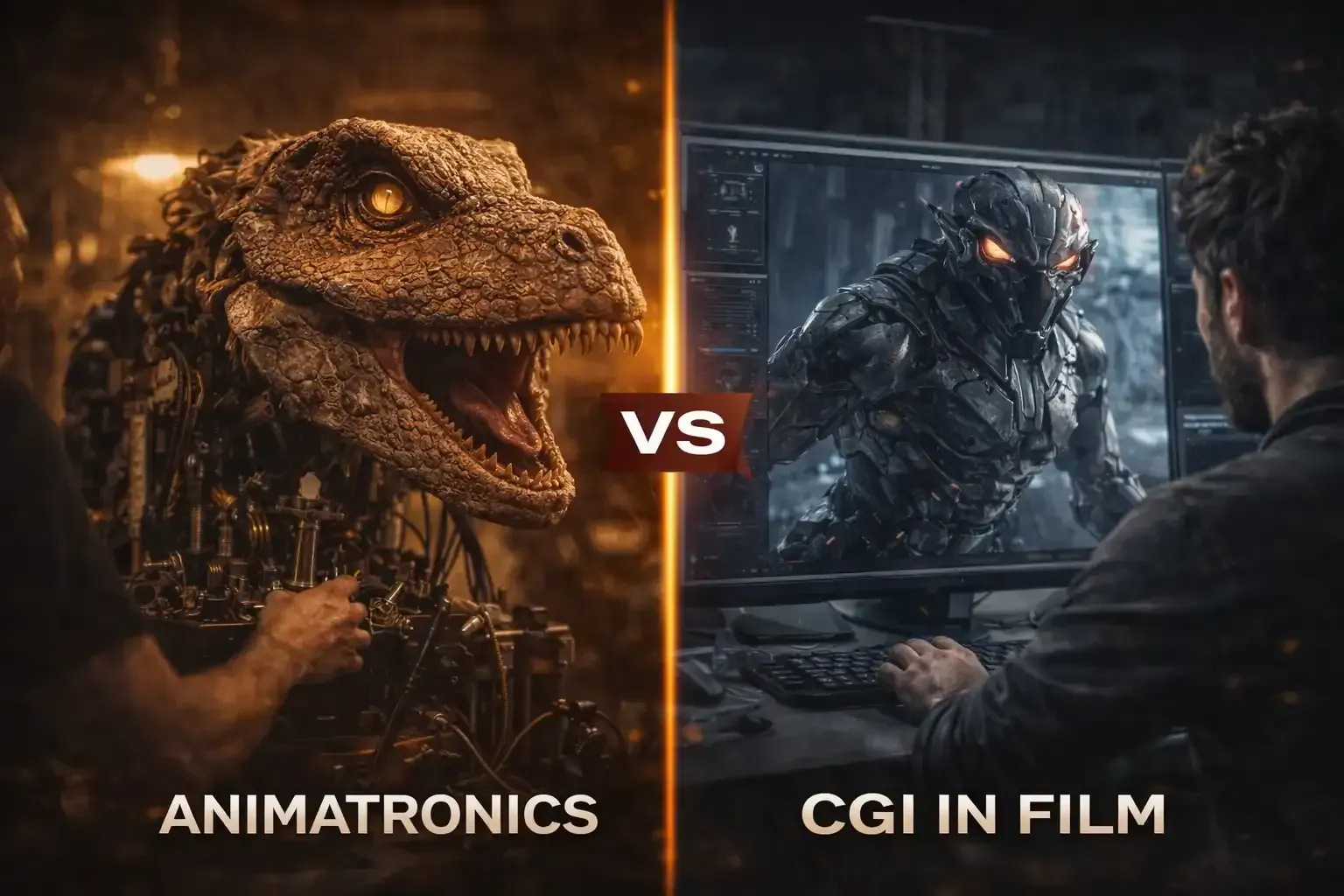
Prosthetics vs CGI: What’s the Difference?
While CGI can replicate transformations digitally, prosthetics offer:
- Immediate results on set
- Real interaction with actors and environment
- Reduced reliance on post-production
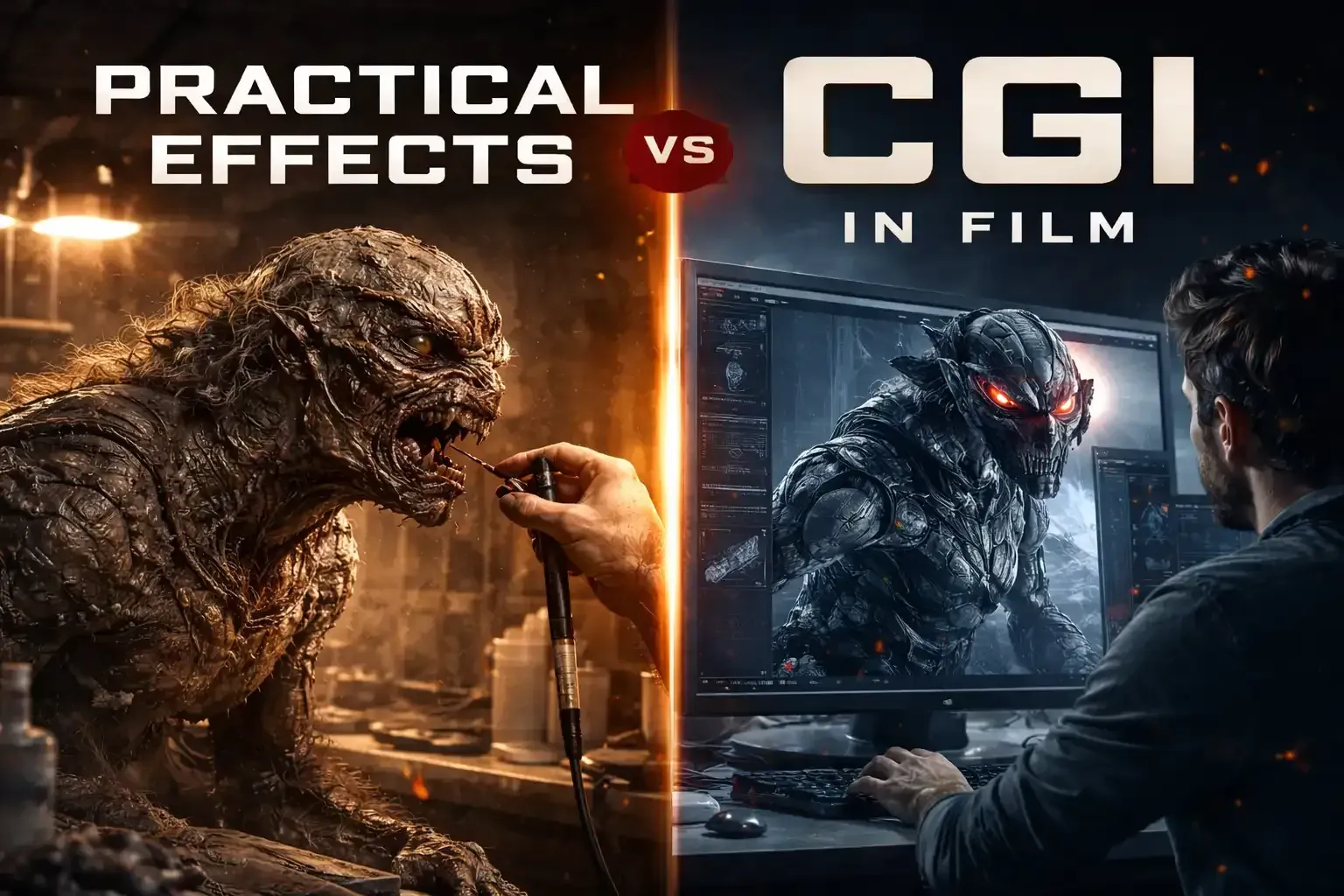
For a broader comparison of physical and digital techniques, see our guide on practical effects vs CGI in film production
In many cases, prosthetics form the foundation, with CGI used to enhance or refine the final look.
When Are Prosthetics the Best Choice?
Prosthetics are ideal when:
- Close-up realism is essential
- Actors need to physically embody a character
- Lighting accuracy is critical
- Subtle, detailed transformations are required
They are widely used in:
- Film and television
- Commercial productions
- Character-driven storytelling


Choosing the Right Prosthetic Approach
The right approach depends on:
- The complexity of the transformation
- The duration of filming
- Budget and timeline
- Performance requirements
Working with an experienced prosthetics team ensures the design is both visually effective and practical for on-set use.

Work With a Prosthetics Studio
At Oracle FX, we create high-end prosthetic makeup for film and television, from subtle enhancements to full character transformations.
Our work is designed to:
- Integrate seamlessly with the performer
- Perform reliably under filming conditions
- Deliver realistic, camera-ready results
Book a consultation to discuss your project and bring your character to life.
FAQs
How long does prosthetic makeup take to apply?
Application time varies depending on complexity. Simple pieces may take 1–2 hours, while full facial or body transformations can take several hours. Planning is essential to ensure the process fits within the production schedule.
What materials are used in prosthetic makeup?
Common materials include silicone, foam latex and gel-based compounds. Silicone is often used for its realistic skin appearance, while lighter materials are used for comfort and flexibility during long filming days.
Do prosthetics affect actor performance?
When designed and applied correctly, prosthetics enhance performance by allowing actors to physically embody a character. Proper fitting ensures comfort, movement and full expression, which are essential for natural performances.
Can prosthetics and CGI be combined?
Yes. Prosthetics are often used as the foundation for realism, with CGI enhancing or refining the final result. This hybrid approach is widely used in modern film and television production.