Working With a Creature Effects Studio: What to Expect

Thea Mulvey • April 25, 2026

Share this article

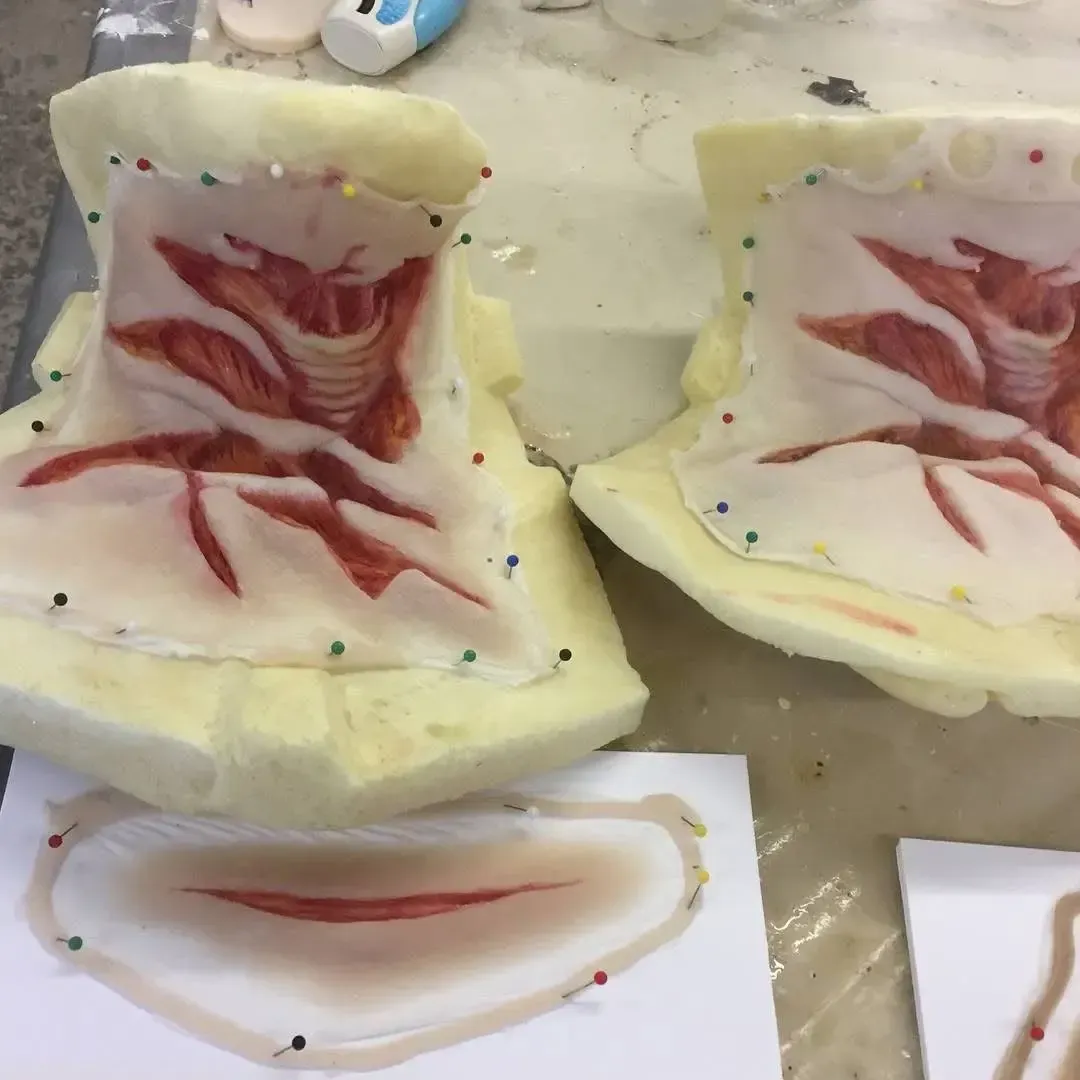
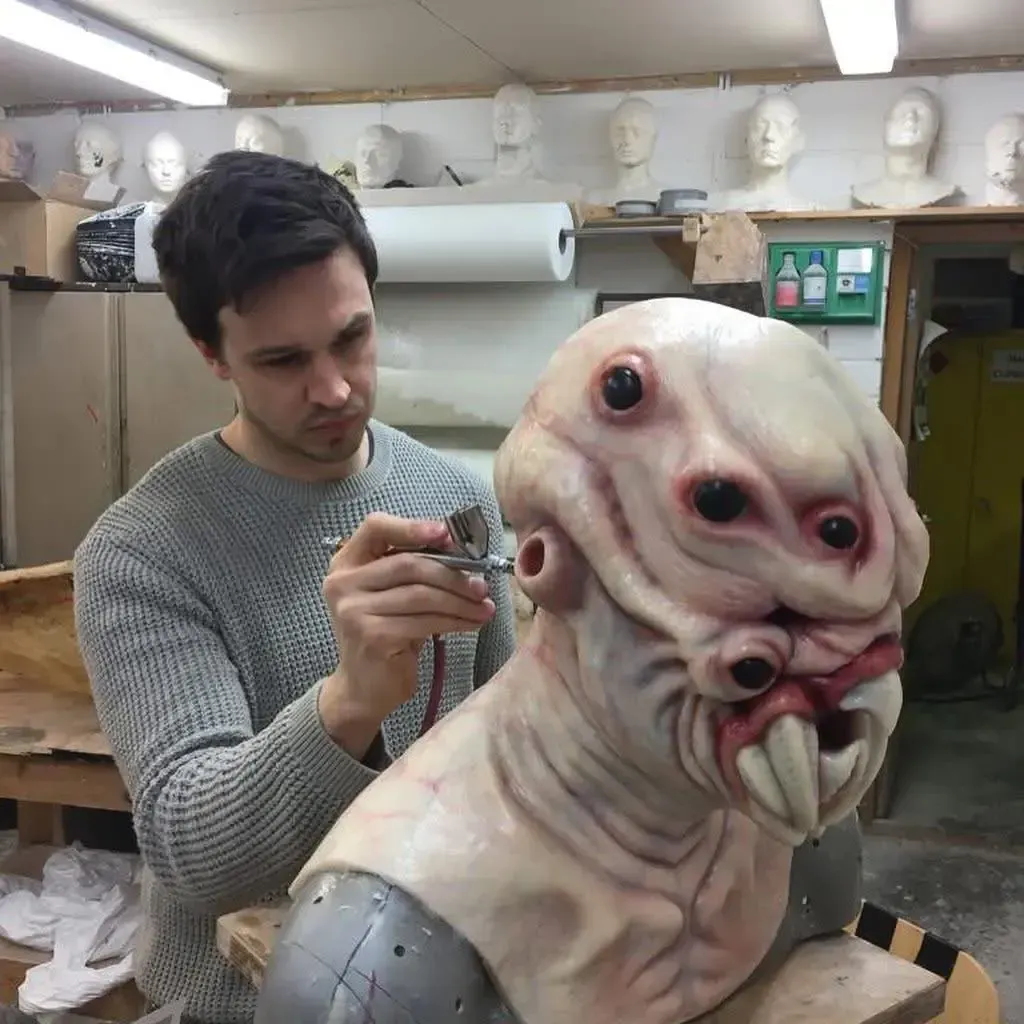
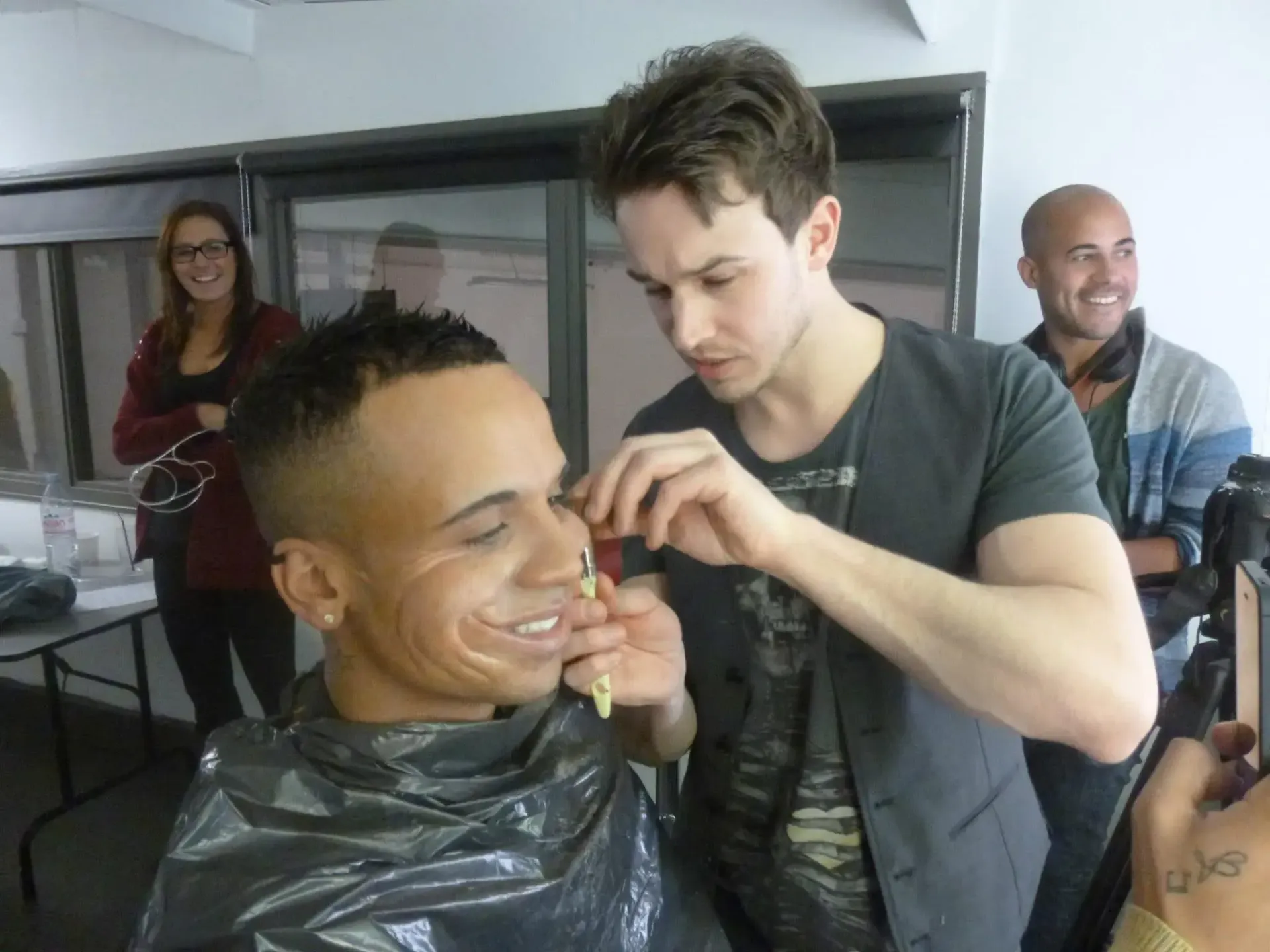
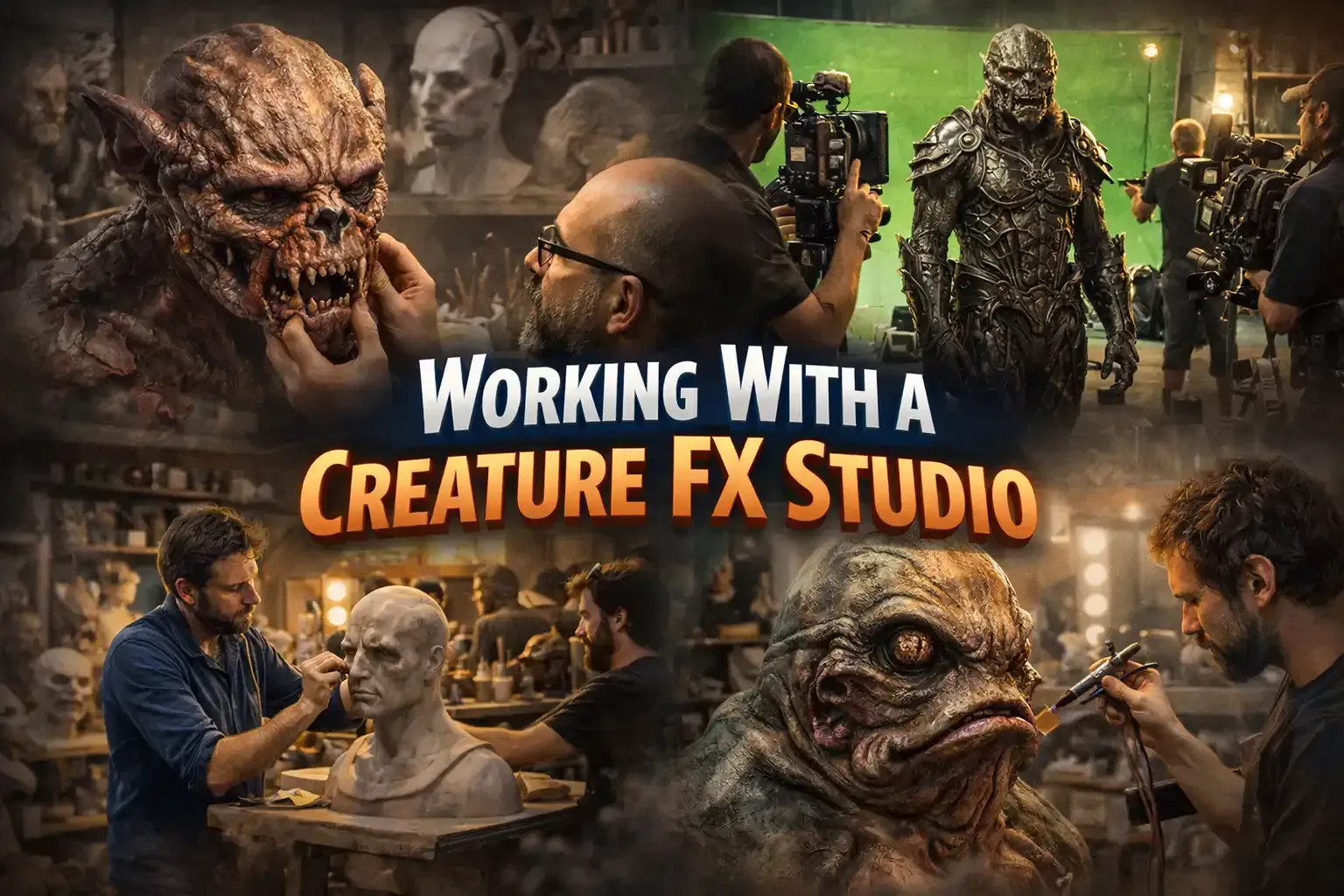
A collage showing artists sculpting and painting detailed creature masks and costumes in a film FX studio.

Introduction

When planning a film, television production or commercial project, working with a creature effects studio can transform your creative vision into something tangible and believable on screen.


But if you’ve never worked with a practical effects team before, it’s not always clear what the process involves.


From early concept development through to on-set delivery, creature effects require careful planning, collaboration and technical expertise.


In this guide, we explain exactly what to expect when working with a creature effects studio, helping you understand how the process works and how to get the best results for your production.


Why Work With a Creature Effects Studio?

A specialist creature effects studio brings together artists, technicians and engineers to create high-end practical effects designed for performance on camera.


Working with an experienced team ensures:

  • Your concept is developed into a workable design
  • Effects are built to function reliably on set
  • Visual quality holds up under real filming conditions
  • Integration with CGI (if required) is planned from the start


For productions focused on realism and immersion, this level of expertise is essential.


The Creature Effects Workflow

Understanding the typical workflow helps you plan your production more effectively.

1. Initial Consultation and Concept Development

The process begins with a consultation to understand your project.


This includes:

  • Script review and creative direction
  • Budget and timeline discussion
  • Technical feasibility and approach


At this stage, the studio will help shape your idea into a practical solution that works both visually and logistically.


This is where early collaboration makes the biggest difference.

2. Design and Pre-Production

Once the concept is defined, the design phase begins.


This involves:

  • Sketches, concept art or digital designs
  • Defining materials, scale and movement
  • Planning how the effect will function on set


Pre-production ensures there are no surprises during filming and that the effect performs exactly as required.


3. Build and Fabrication

With designs approved, the build process begins.


Depending on the project, this may include:

  • Sculpting and mould making
  • Creating prosthetic components
  • Engineering animatronic systems
  • Constructing full creature suits


Each element is carefully crafted to balance realism, durability and performance.

4. Testing and Refinement

Before filming, the effects are tested to ensure everything works correctly.


This stage allows for:

  • Movement testing
  • Fit adjustments for performers
  • Performance optimisation
  • Final refinements


Testing is critical for avoiding issues on set and ensuring a smooth shoot.

5. On-Set Support and Application

During filming, the effects team works alongside the production crew.


This includes:

  • Applying prosthetics or fitting suits
  • Operating animatronics if required
  • Maintaining and repairing effects between takes
  • Making real-time adjustments for lighting and camera


Having on-set support ensures the effects perform consistently throughout production.

6. Post-Production Collaboration (If Needed)

If CGI is used alongside practical effects, the studio may collaborate with post-production teams.


This can involve:

  • Providing reference materials
  • Advising on integration
  • Supporting visual continuity


For a full breakdown of how practical and digital effects work together, see practical effects vs CGI in film production


What to Prepare Before You Start

To get the best results, it helps to come prepared.


Key things to consider:

  • A clear creative brief or concept
  • Budget expectations
  • Production timeline
  • Level of realism required
  • How the effect will be used on screen


The more information you can provide, the more effectively the studio can deliver the right solution.

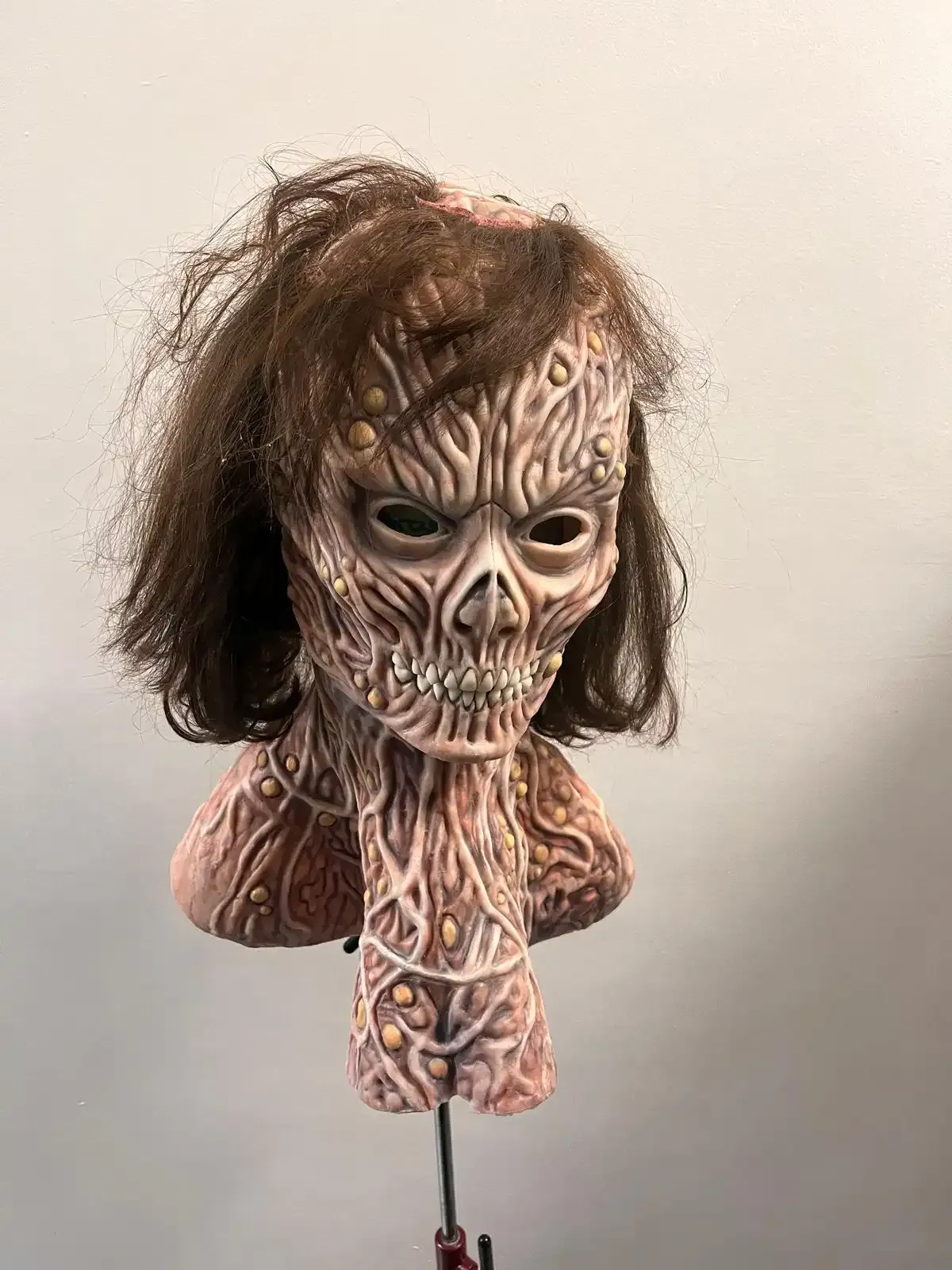
A textured, monster-like mask with human-like hair on a stand, featuring intricate veins, bared teeth, and pale tones.

Common Challenges (and How to Avoid Them)

Working with practical effects is highly rewarding, but it does require planning.

Common challenges include:


Tight timelines

Rushing the build process can impact quality. Early engagement avoids this.


Unclear creative direction

A well-defined concept ensures smoother development and fewer revisions.


Underestimating complexity

Some effects require more engineering or testing than expected. Working with experienced professionals helps manage this.


Benefits of Early Collaboration

Bringing a creature effects studio into your project early offers significant advantages:


  • More efficient design and production
  • Better integration with cinematography and lighting
  • Reduced risk of costly changes later
  • Stronger overall visual results


Early collaboration ensures the effects are built around the production — not forced into it later.


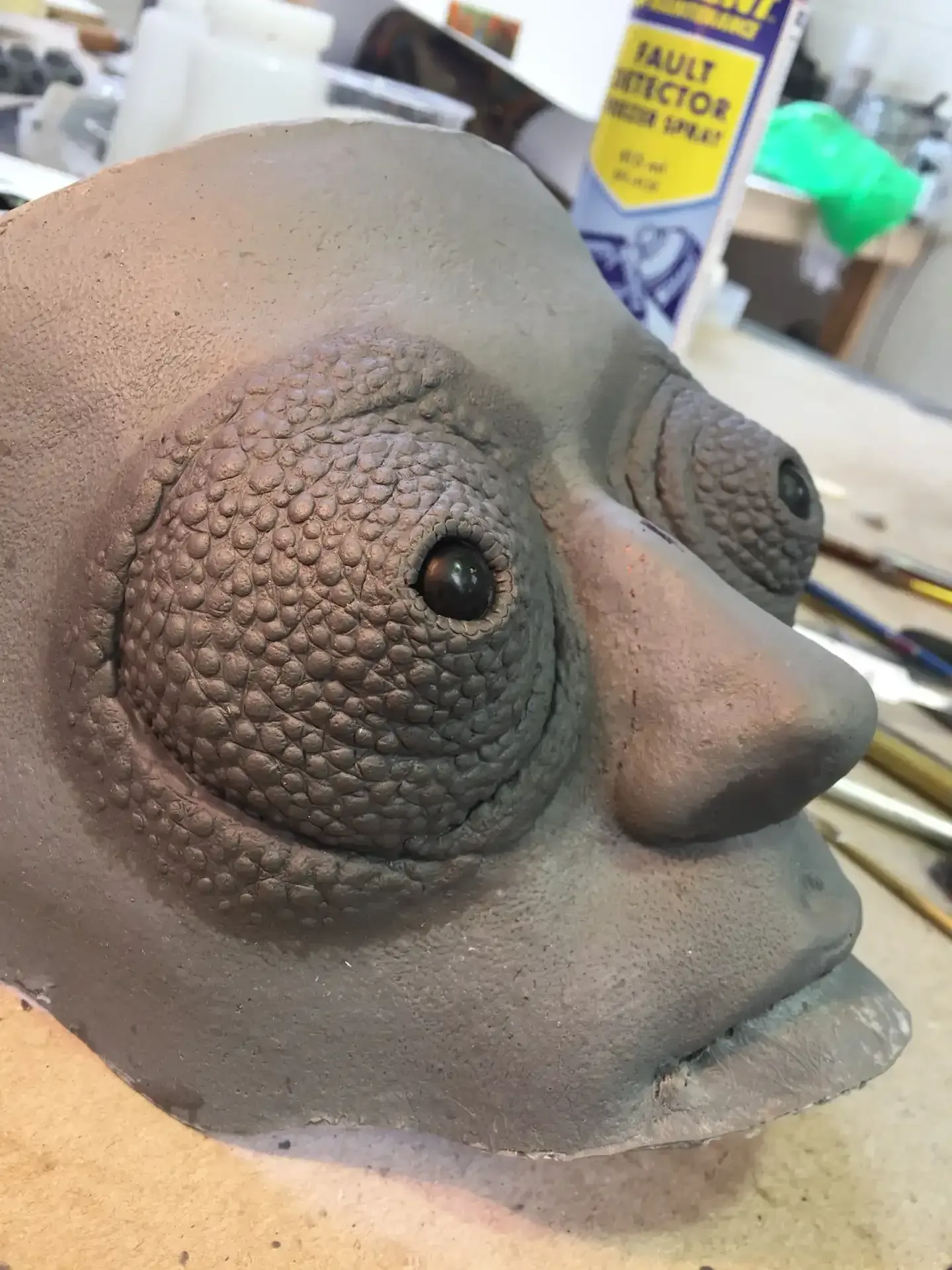
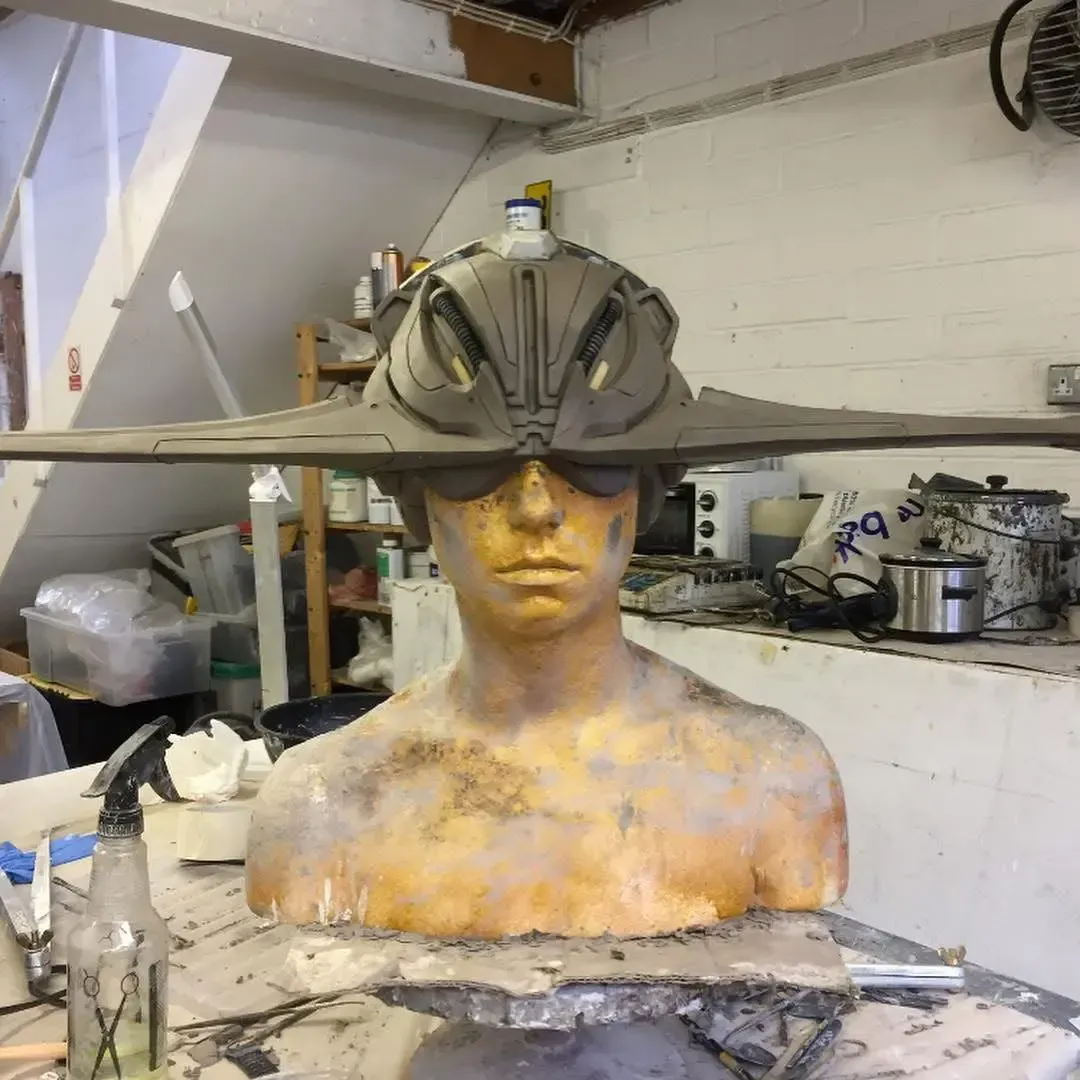
A gray, textured, alien-like clay mask sculpture with large bulging eyes, situated in an art workshop setting.
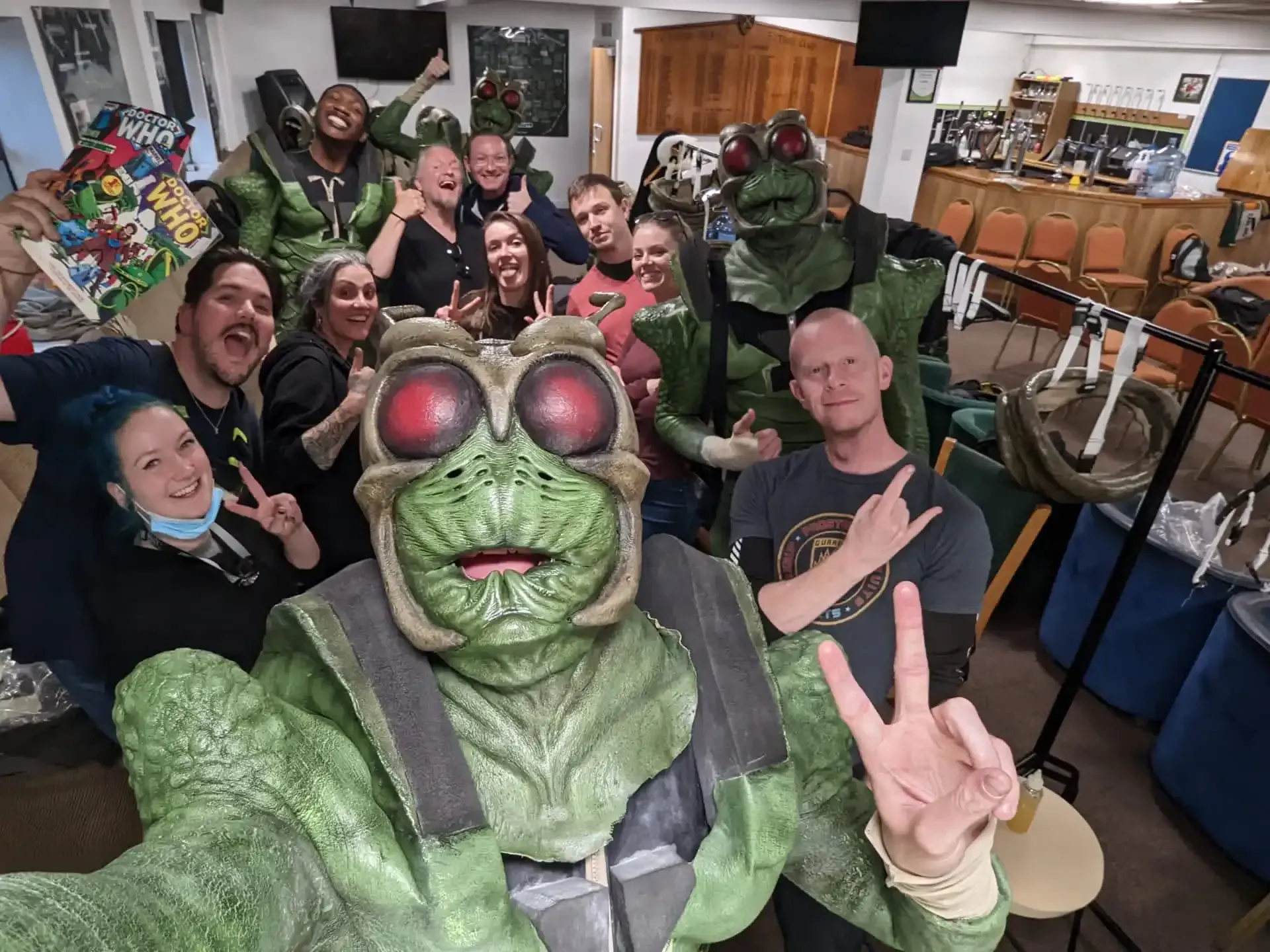
A group of people, including one in a green insect costume, posing for a selfie in a room with tables and chairs.

Choosing the Right Creature Effects Studio

Not all studios offer the same level of expertise.


When choosing a partner, consider:

  • Portfolio and previous work
  • Experience in film and television
  • Range of services (creature effects, prosthetics, animatronics)
  • Ability to collaborate across departments


A strong studio will not only deliver high-quality effects but also support the production process from start to finish.

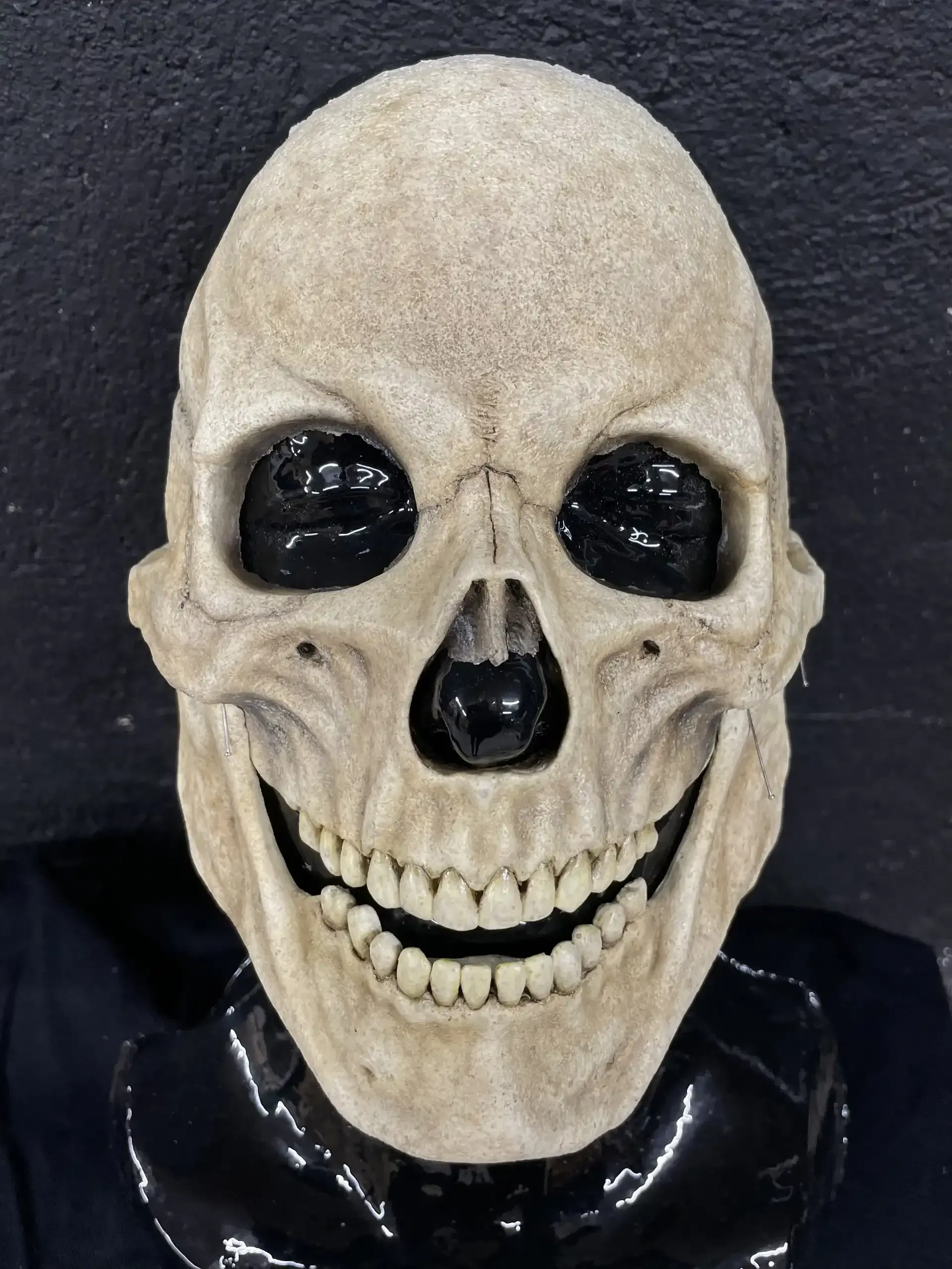
A realistic, beige-colored human skull mask with a wide, toothy grin on a black display stand against a dark background.

Work With Oracle FX

At Oracle FX, we specialise in high-end creature effects for film and television, combining craftsmanship, technical expertise and on-set experience.


We work closely with production teams to:

  • Develop concepts into practical solutions
  • Deliver effects that perform reliably on camera
  • Integrate seamlessly with both practical and digital workflows


Book a consultation to discuss your project and explore how we can support your production.


FAQs

  • When should I contact a creature effects studio?

    It’s best to involve a creature effects studio as early as possible in pre-production. Early collaboration allows for better planning, design development and integration with the rest of the production, helping to avoid delays and unexpected costs later on.

  • How much does creature effects work cost?

    Costs vary depending on the complexity of the design, materials used and the level of engineering required. Simple prosthetic work may be relatively straightforward, while full creature builds with animatronics can require a larger investment. A consultation helps define scope and budget.


  • Do creature effects studios work with CGI teams?

    Yes. Most modern productions use a combination of practical effects and CGI. Creature effects studios often collaborate with VFX teams to ensure seamless integration and visual consistency across the final result.


  • How long does the process take?

    Timelines depend on the scale of the project. Smaller effects may take days or weeks, while larger builds can take several weeks or months. Early planning ensures everything is ready for filming without delays.


Recent Posts

A collage shows artists applying prosthetic makeup to actors and a creature prop on a film set.
By Thea Mulvey April 18, 2026
Discover the prosthetic makeup process in film. From lifecasting to on-set application, learn how realistic transformations are created.
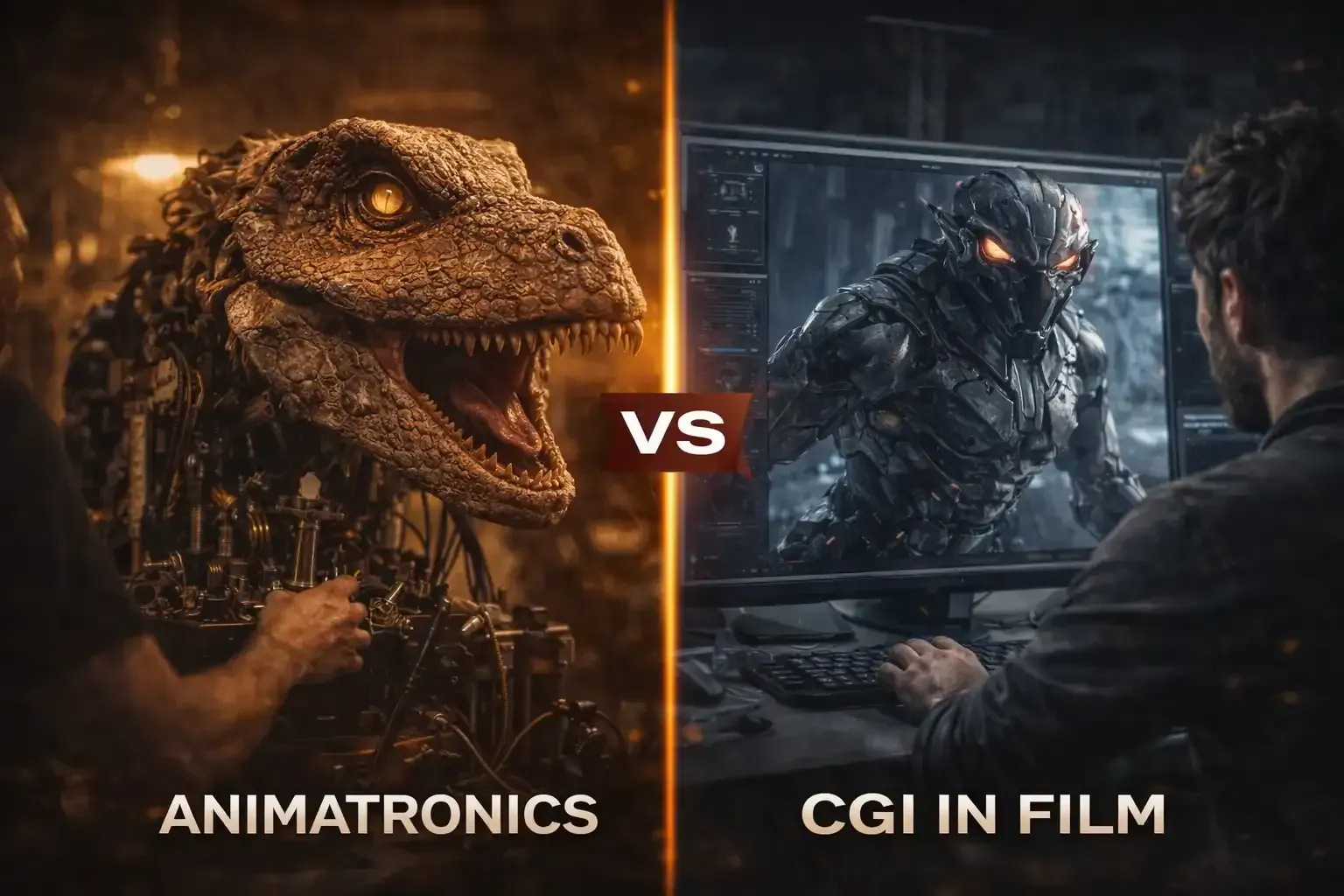
A split-screen comparison: on the left, a mechanical dinosaur model being built; on the right, digital CGI on a screen.
By Thea Mulvey April 11, 2026
Compare animatronics vs CGI in film. Discover which delivers better realism, performance and results on camera for modern productions.
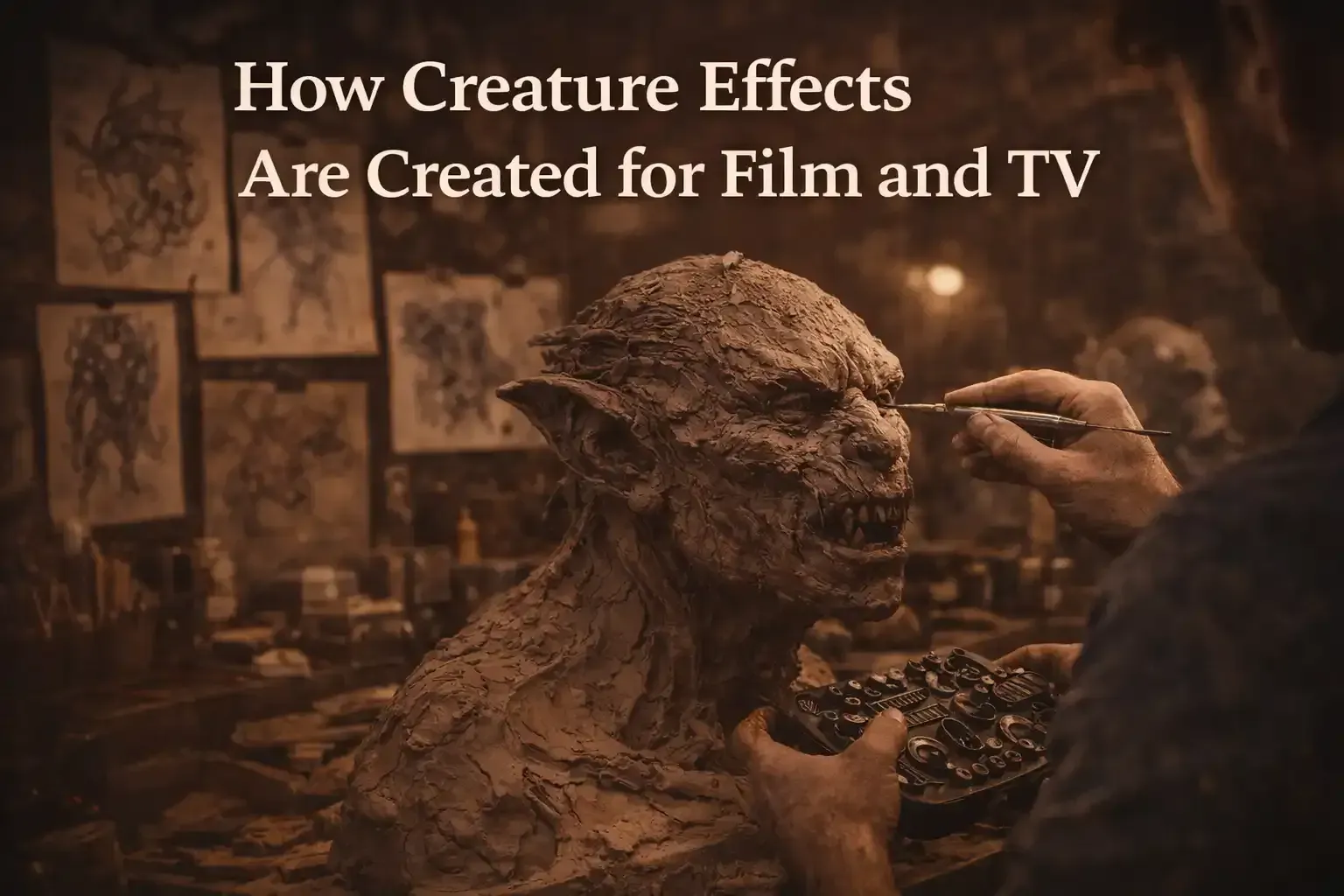
A sculptor works on a detailed clay bust of a creature in a studio filled with character design sketches.
By Thea Mulvey April 4, 2026
Learn how creature effects are created for film and TV. From concept design to on-set performance, discover the full process behind realistic creatures.
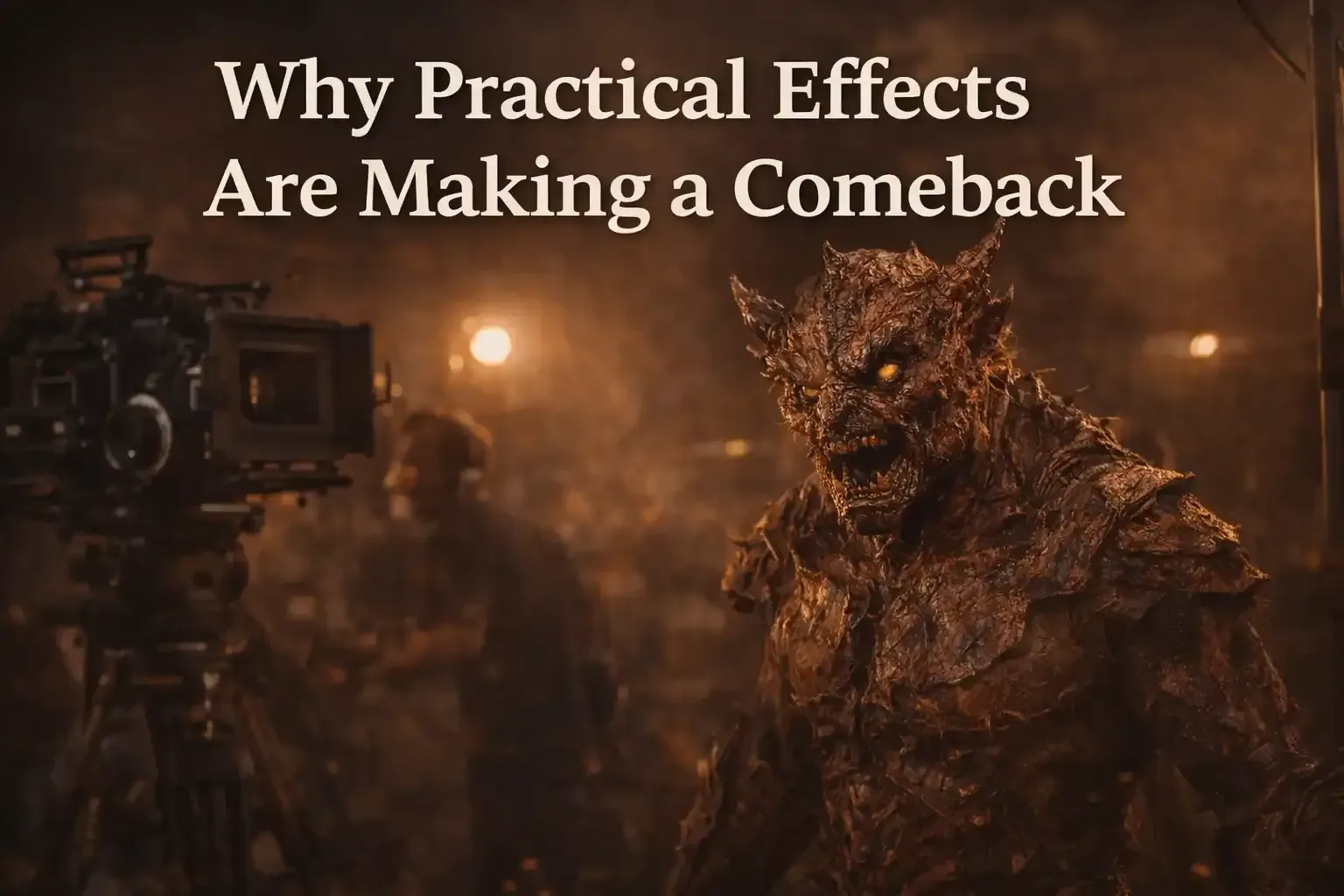
A film set with a crew member using a camera to film a textured, menacing monster, with the text
By Thea Mulvey March 27, 2026
Discover why practical effects are making a comeback in film. Explore realism, audience demand and how productions combine practical effects with CGI.
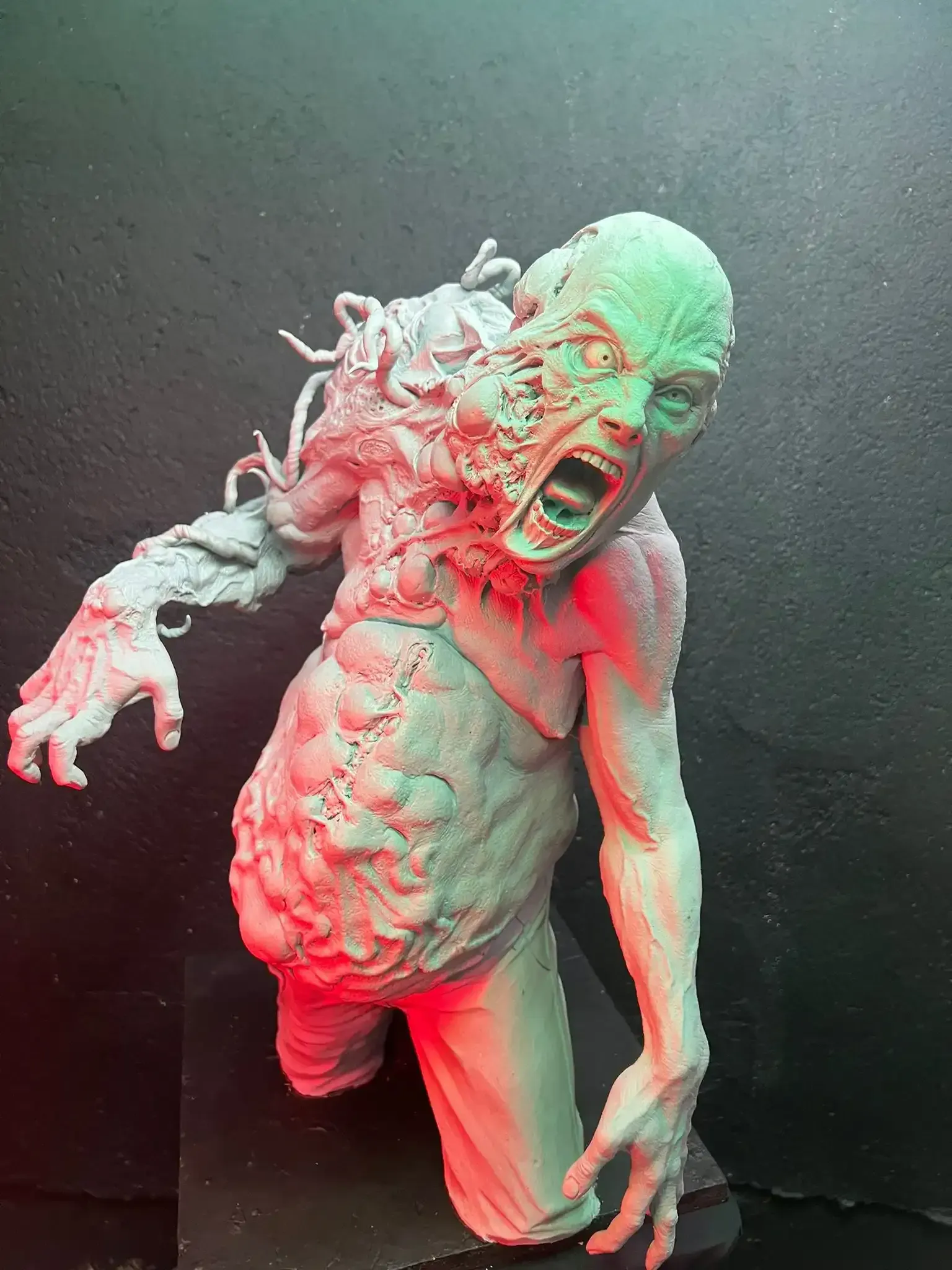
Mutated humanoid figure with gaping mouth, distorted features, and reddish-green lighting.
By Thea Mulvey March 1, 2026
Inside Professional Creature Effects for Film and Television Production
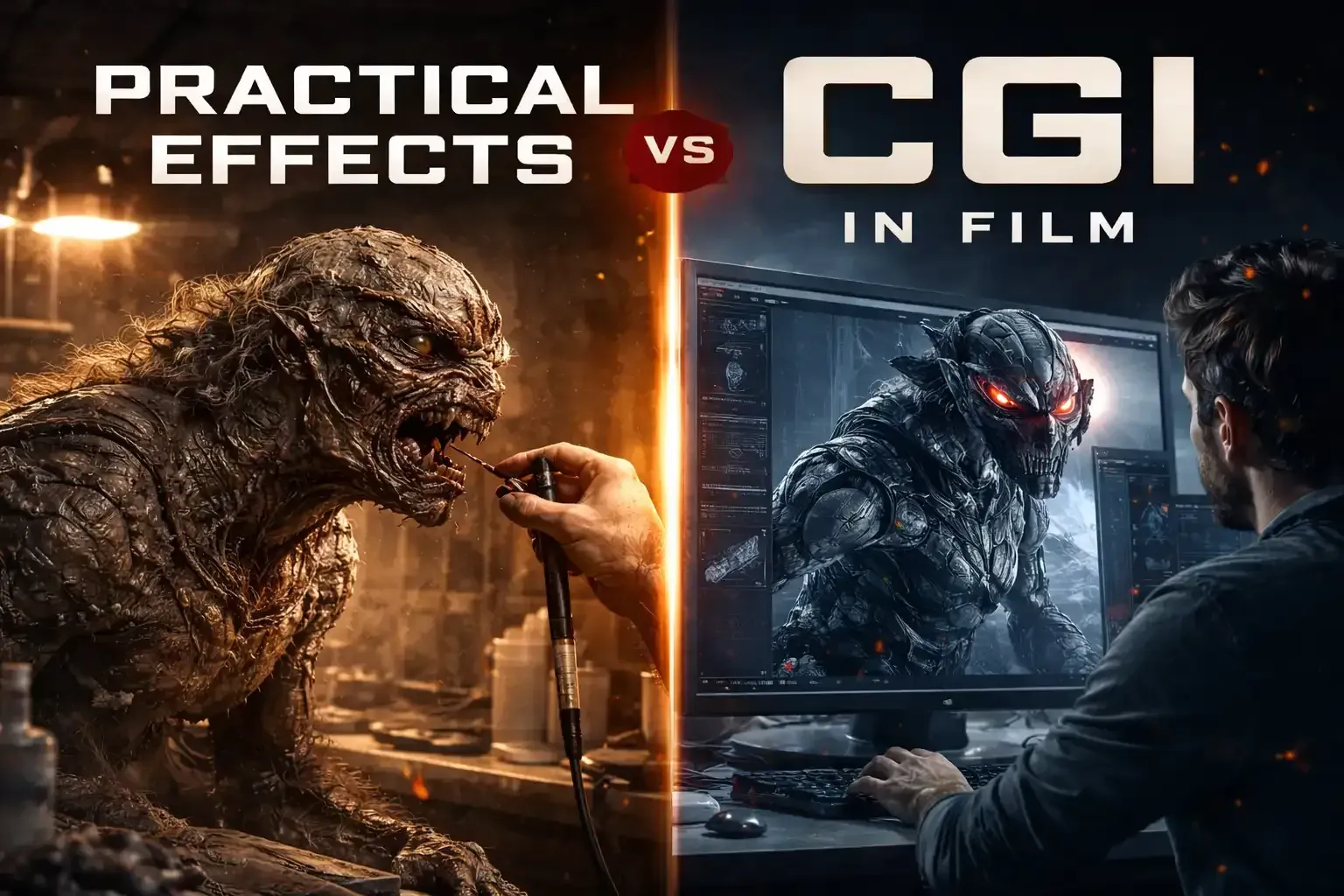
Comparison of practical effects vs. CGI in film: a creature being built vs. a digital artist working on a CGI character.
February 21, 2026
Exploring practical effects vs CGI in film production. Discover when prosthetics, creature builds and animatronics outperform digital effects.