How Creature Effects Are Created for Film and TV

Thea Mulvey • April 4, 2026

Share this article

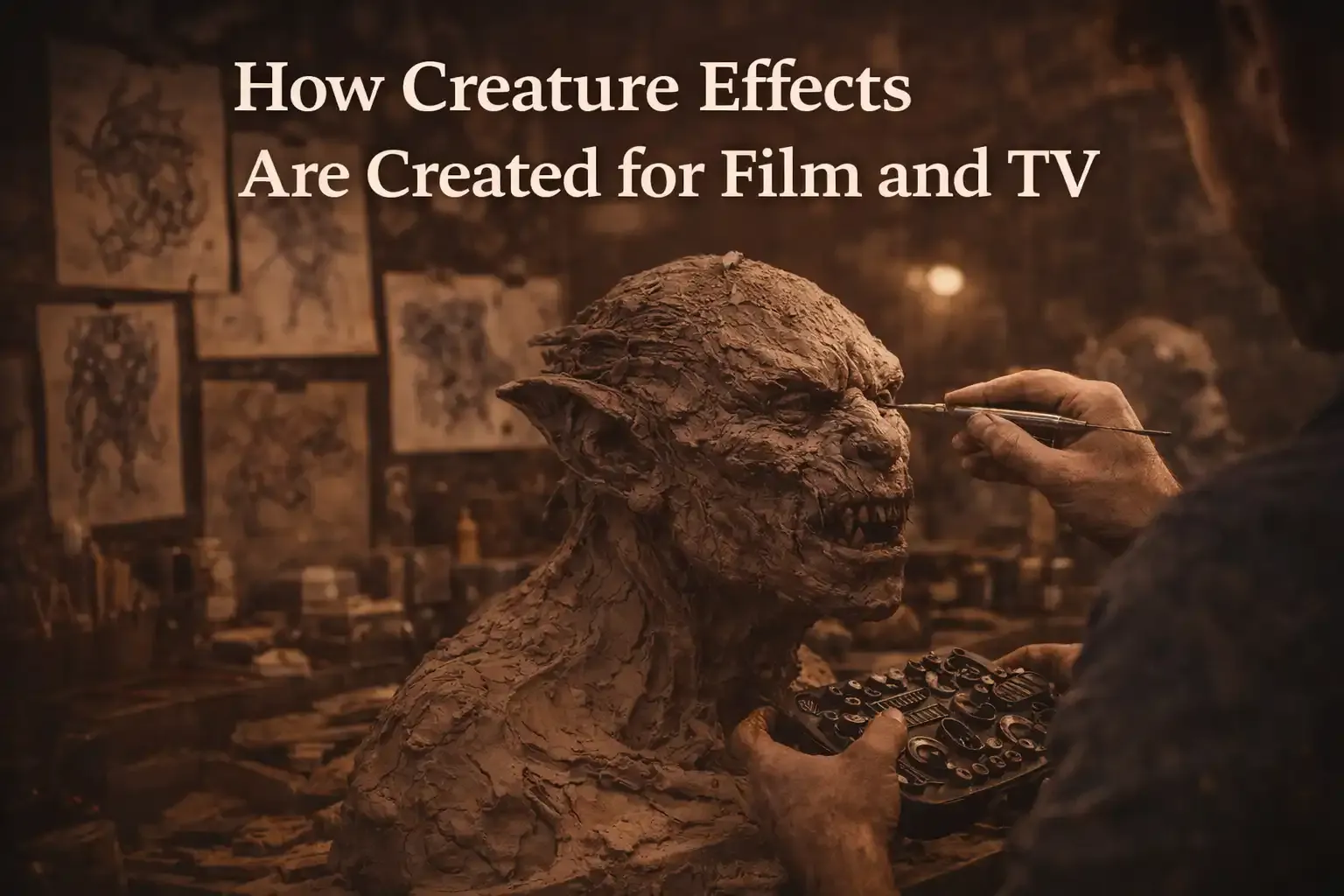
A sculptor detailedly crafts a textured monster bust in a workshop filled with concept sketches; title text overlays.

Introduction

From terrifying monsters to lifelike creatures, some of the most memorable moments in film and television come from what feels physically real on screen.


Creature effects play a key role in achieving this realism. Unlike fully digital characters, these effects are designed, built and performed in the real world — allowing them to interact naturally with actors, lighting and environments.


But how exactly are creature effects created?


In this guide, we break down the full process, from initial concept through to on-set performance, and explain why practical creature effects continue to be a powerful tool in modern productions.


What Are Creature Effects?

Creature effects are practical, physical creations designed to represent non-human characters in film and television.


These can include:

  • Full creature suits
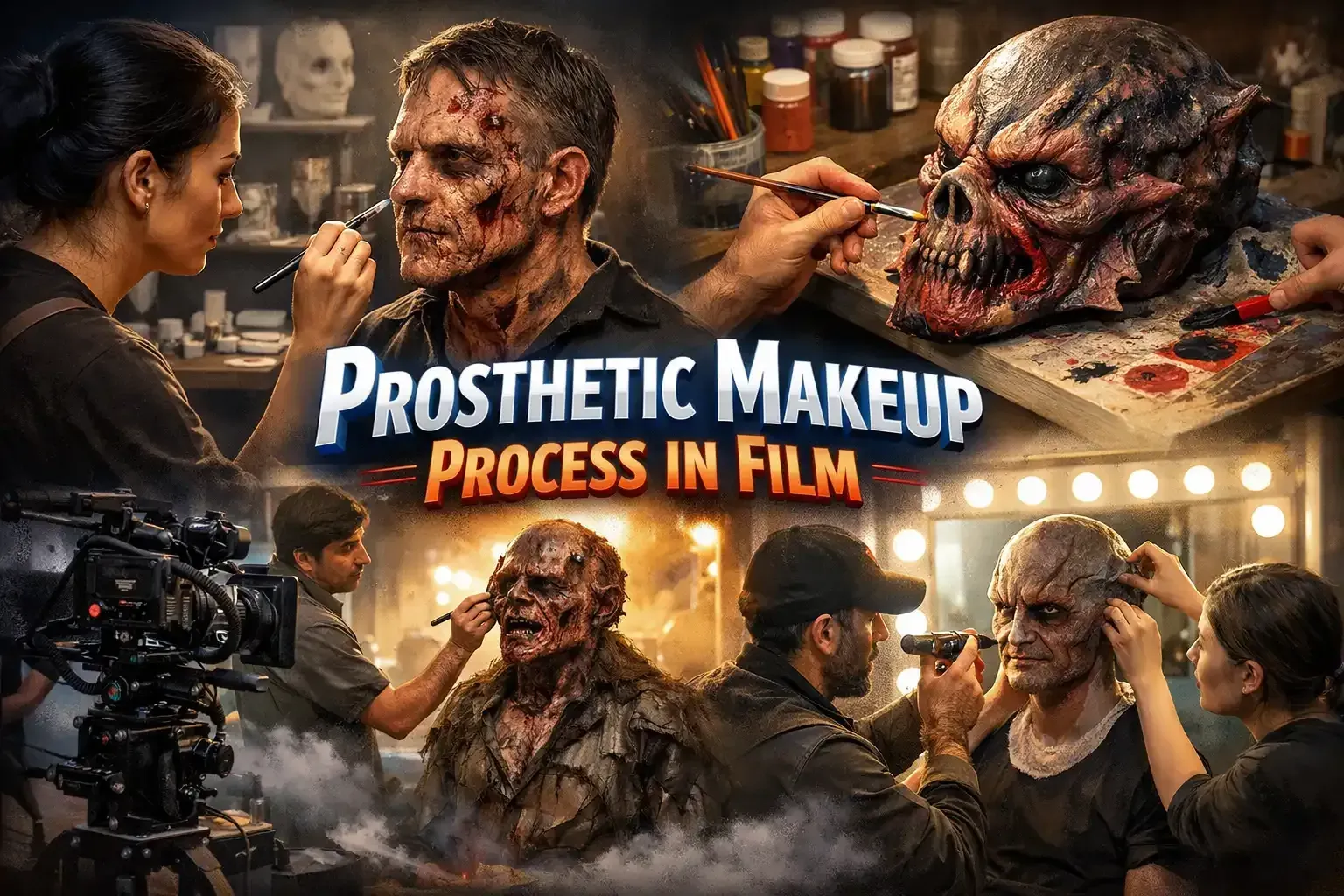
  • Prosthetic make-up applications
  • Animatronic builds
  • Hybrid effects combining practical elements with CGI


Unlike purely digital characters, creature effects are built to exist in real space, making them more believable on camera.


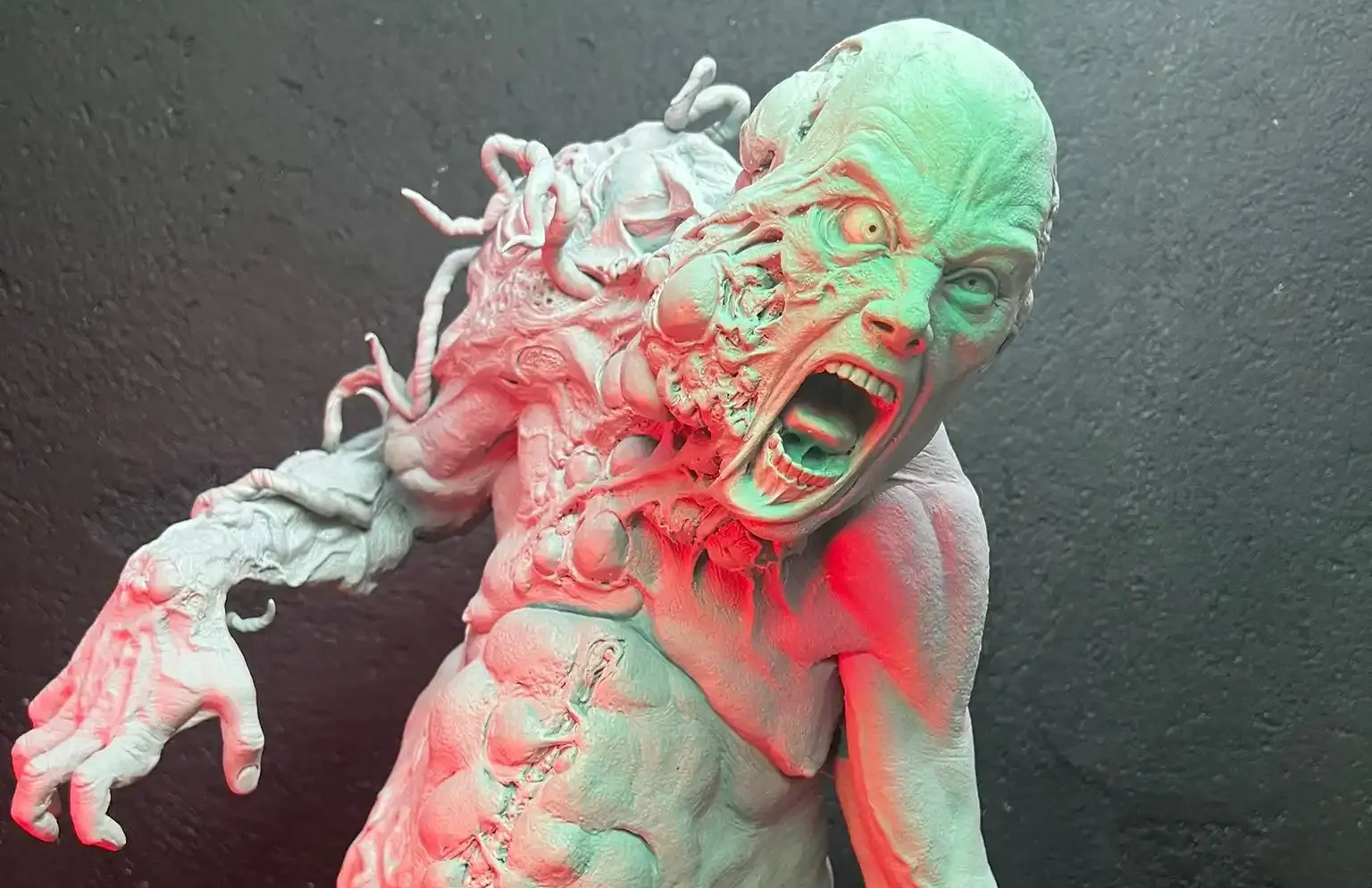
A sculpture of a monstrous, mutated figure with a distorted face screaming, textured flesh, and tentacle-like protrusions.

The Creature Effects Process Explained

1. Concept Design and Planning

Every creature begins with an idea.


This stage involves:

  • Interpreting scripts and creative direction
  • Developing sketches or digital concepts
  • Defining scale, movement and functionality


Design decisions made here influence everything that follows — from materials to performance requirements.

2. Sculpting and Model Making

Once the concept is approved, the creature begins to take physical form.


Artists will:

  • Sculpt detailed maquettes (small-scale models)
  • Develop full-size forms
  • Refine textures, anatomy and proportions


This stage ensures the creature looks convincing from every angle before moving into production.

3. Moulding and Casting

After sculpting, moulds are created to produce the final components.


Materials commonly used include:

  • Silicone for skin-like realism
  • Foam latex for lightweight flexibility
  • Resin or fibreglass for structural elements


Each material is selected based on how the creature needs to move and perform on camera.

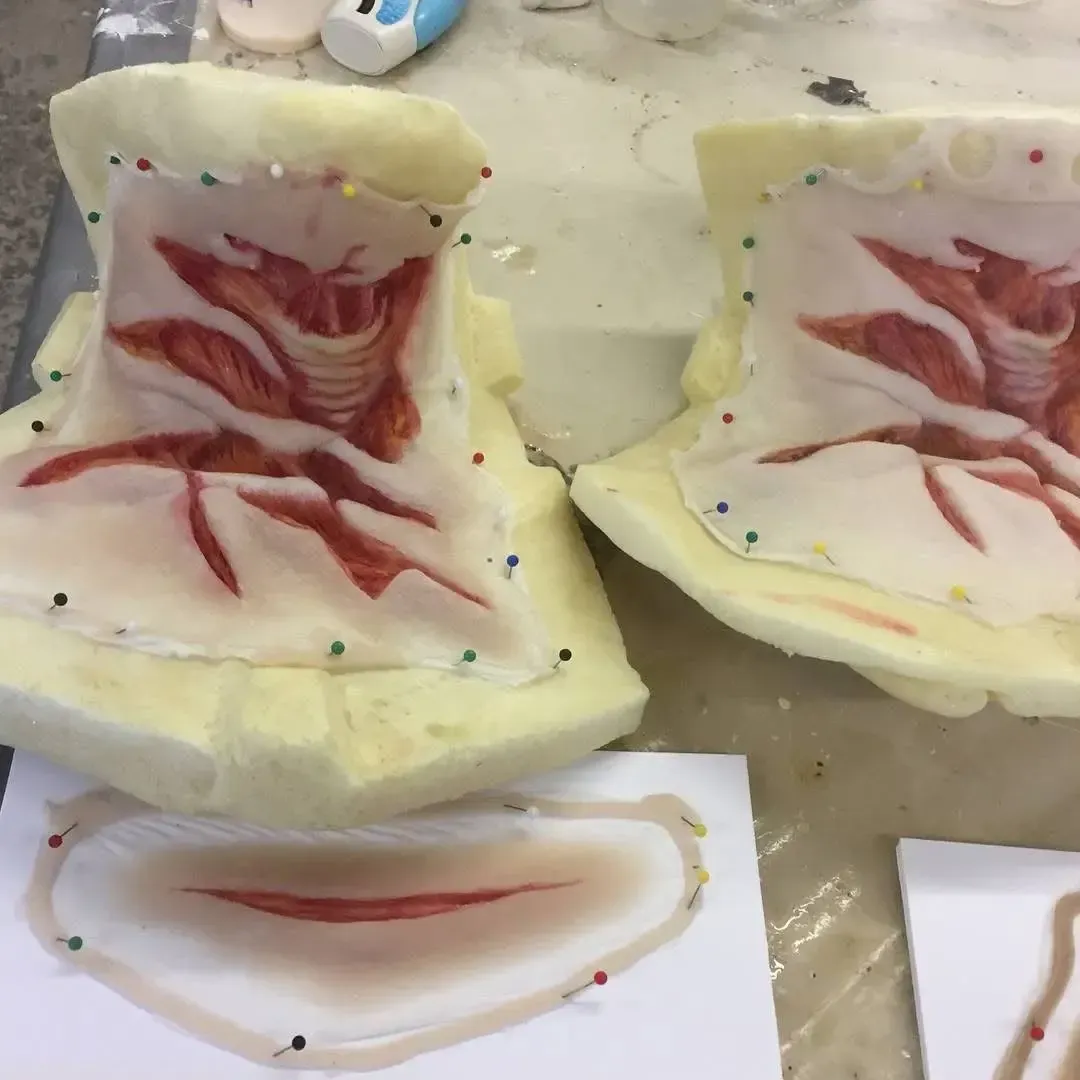
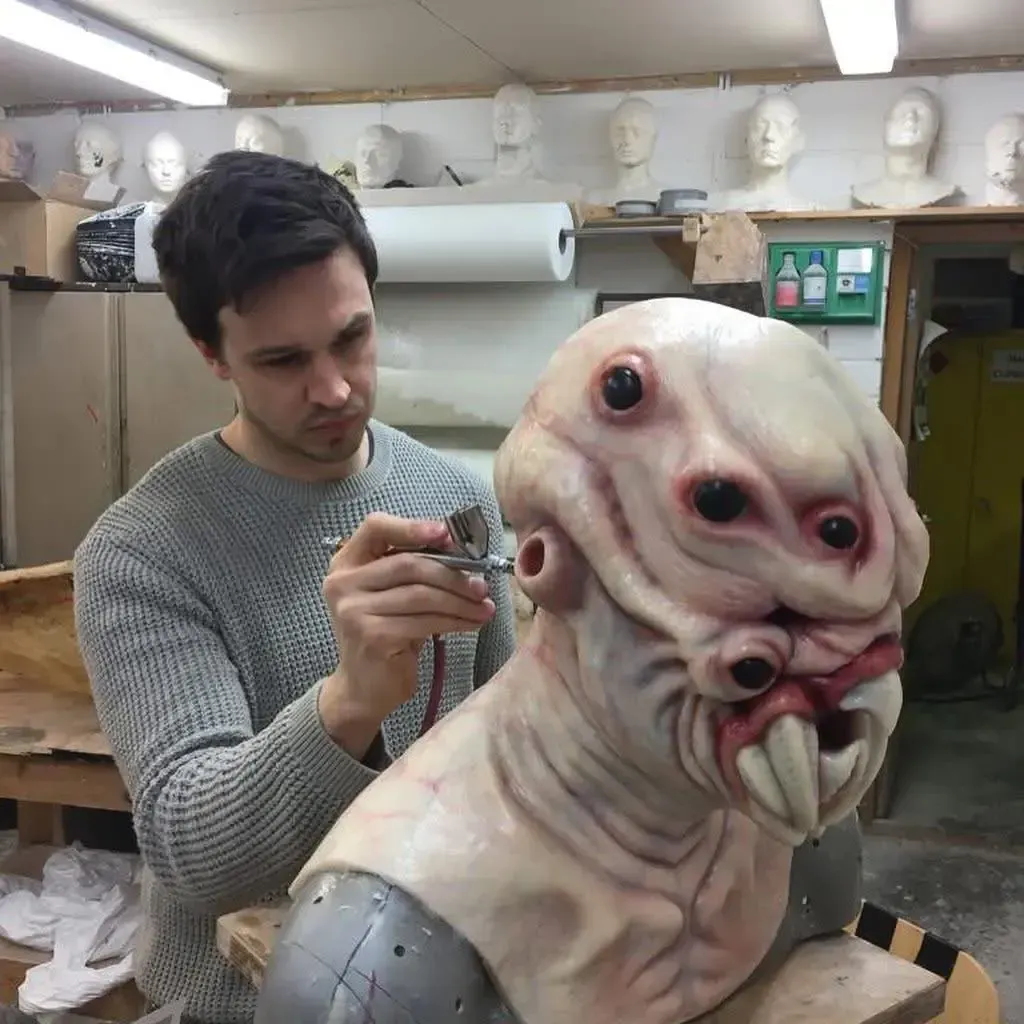
4. Painting and Finishing

Detail is everything.


Artists apply layers of colour, texture and finishing touches to create:


  • Skin tone variations
  • Veins, blemishes and imperfections
  • Weathering and ageing effects


These details help bring the creature to life and ensure it holds up in high-resolution filming.

5. Animatronics and Mechanics

For creatures that require movement beyond what a performer can achieve, animatronics are integrated.


This can include:

  • Mechanical facial expressions
  • Eye movement and blinking
  • Limb articulation


These systems are carefully engineered to maintain realism while functioning reliably on set.

6. Fitting and Performer Integration

If the creature is worn or operated by an actor, fitting is a crucial stage.


This involves:

  • Adjusting proportions for comfort and mobility
  • Ensuring visibility and ventilation
  • Testing movement and performance range


A well-fitted creature allows performers to move naturally, enhancing the final result on screen.

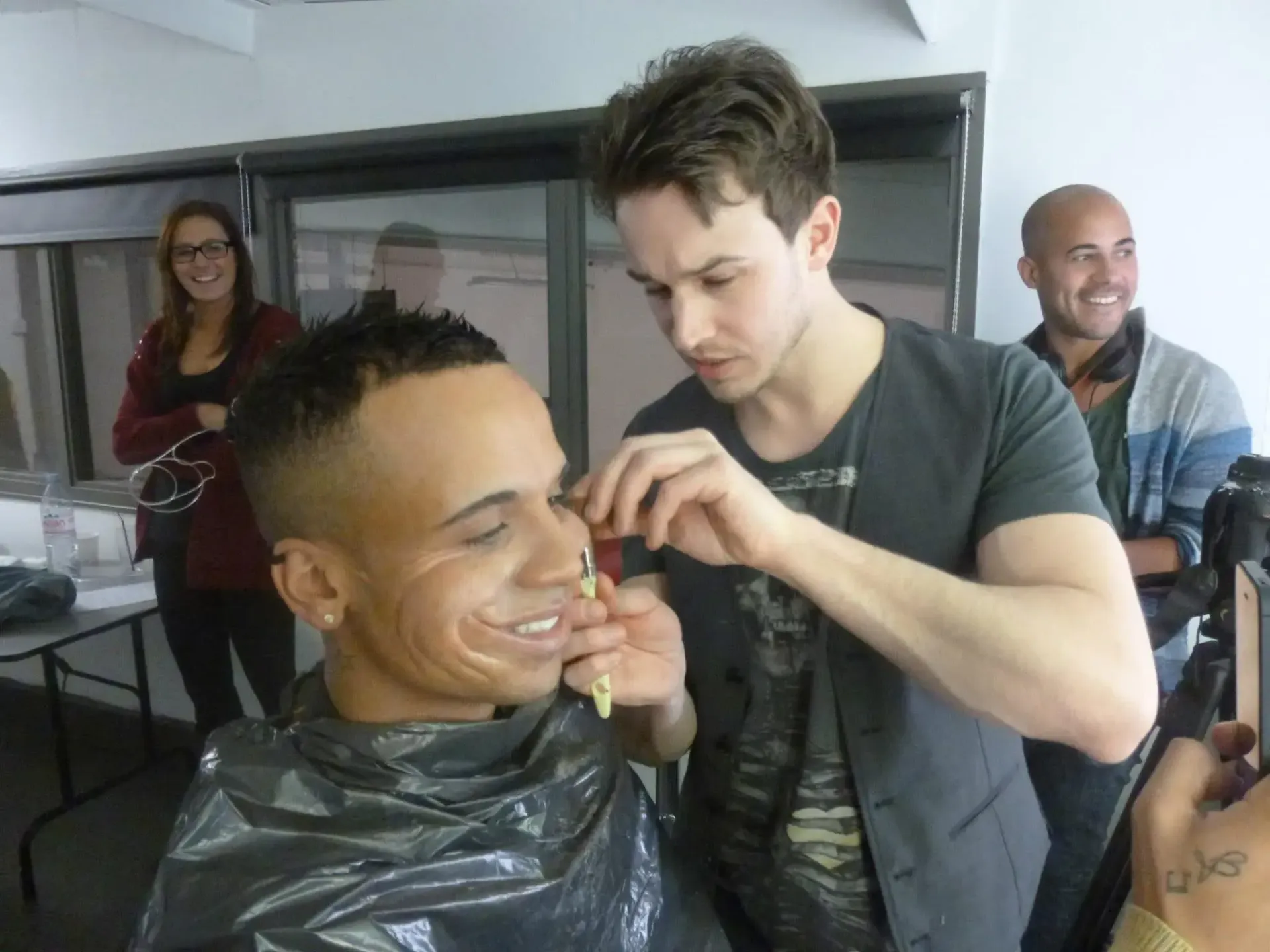
7. On-Set Application and Performance

On set, the creature is applied, operated and filmed in real conditions.


This includes:

  • Prosthetic application (which can take several hours)
  • Final adjustments to suit lighting and camera angles
  • Collaboration between effects artists, performers and directors


Because the creature exists physically, it interacts naturally with its surroundings — something that is difficult to replicate digitally.

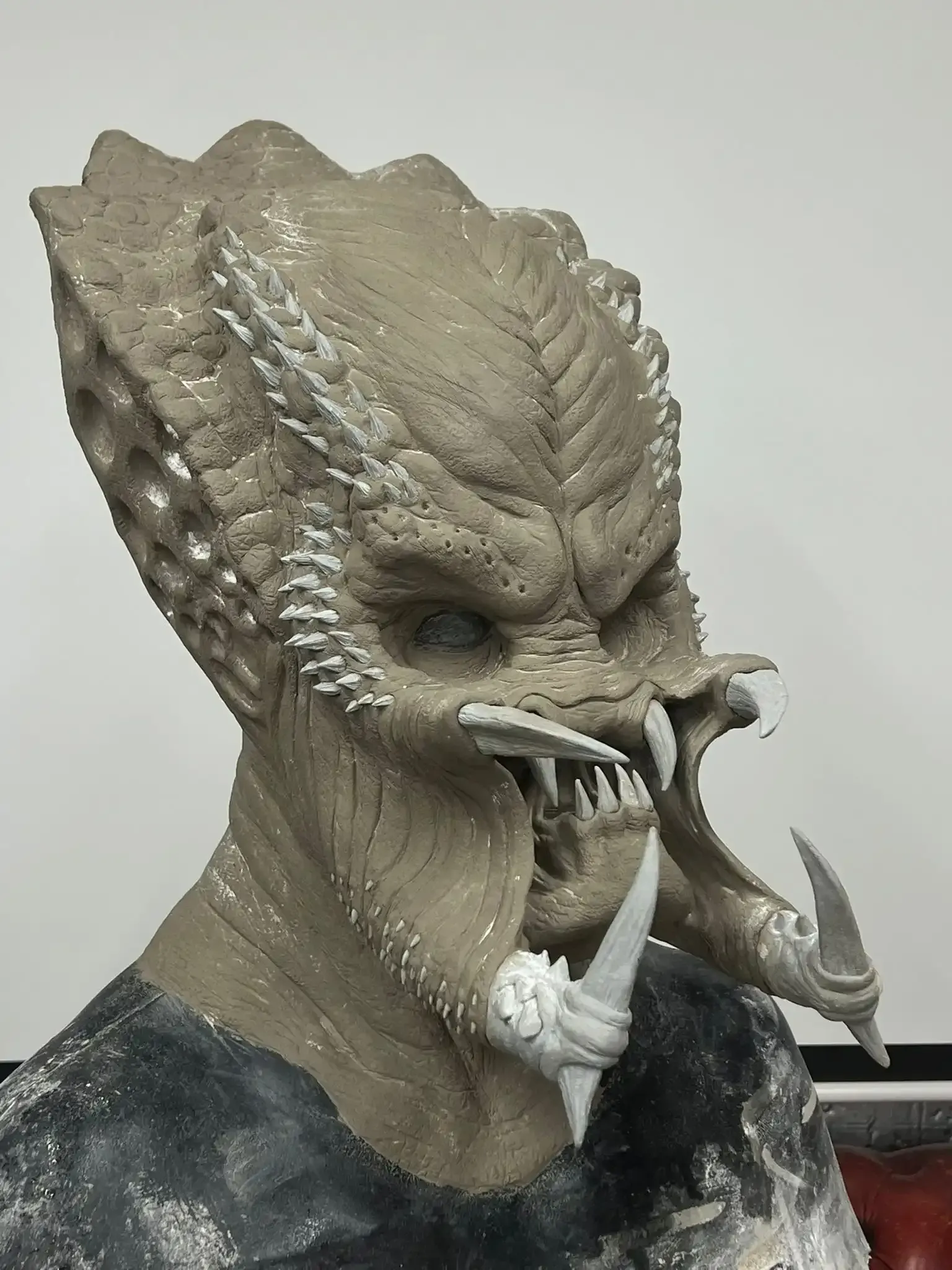
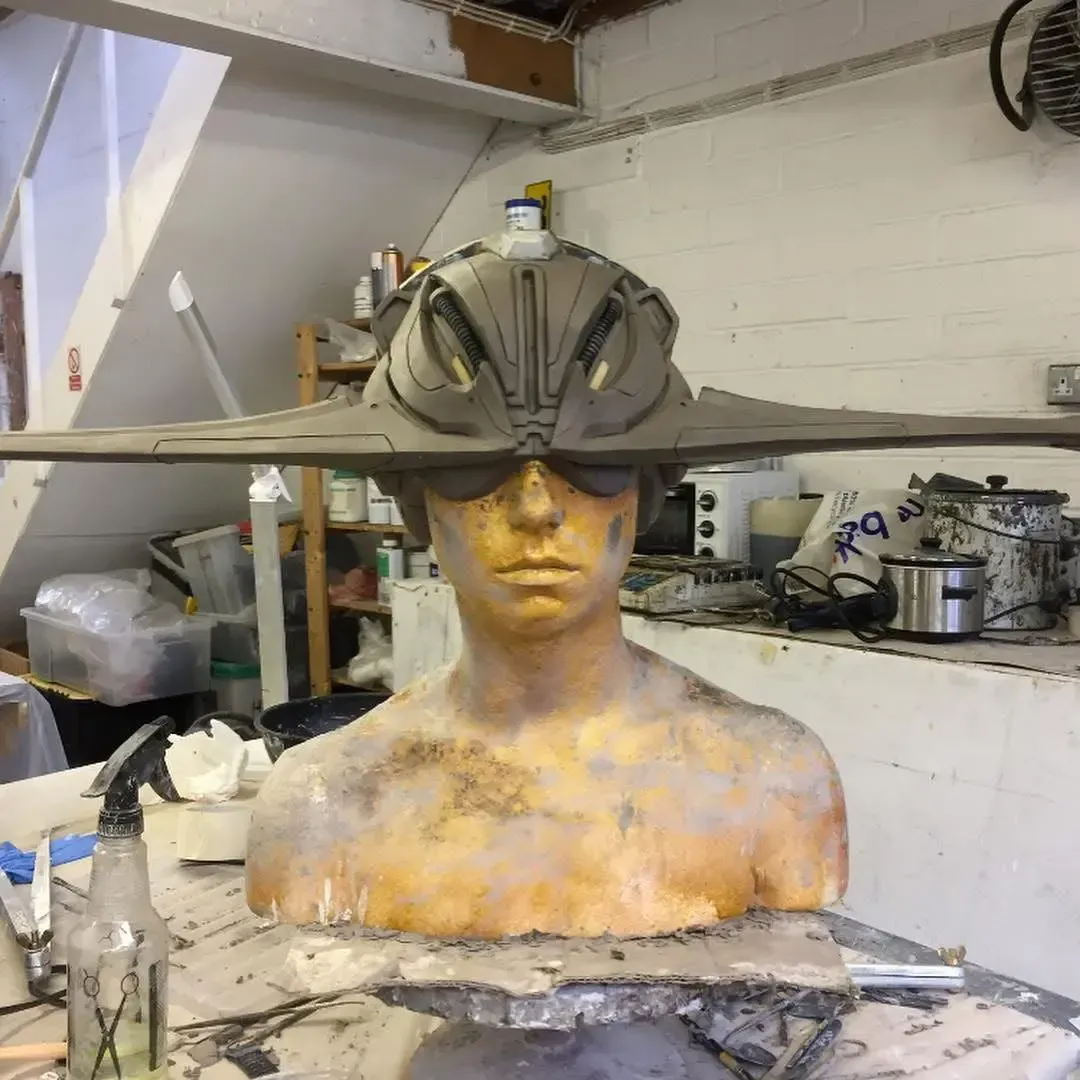
A tan, sculpted bust of a creature with jagged facial mandibles, textured skin, and a crested, elongated head.

Why Practical Creature Effects Work So Well

Creature effects remain a core part of filmmaking because they deliver:


  • Real interaction with actors and environments
  • Natural lighting and shadows
  • Tactile detail that holds up in close-up shots
  • Improved actor performance


These elements combine to create a more immersive and believable experience for the audience.


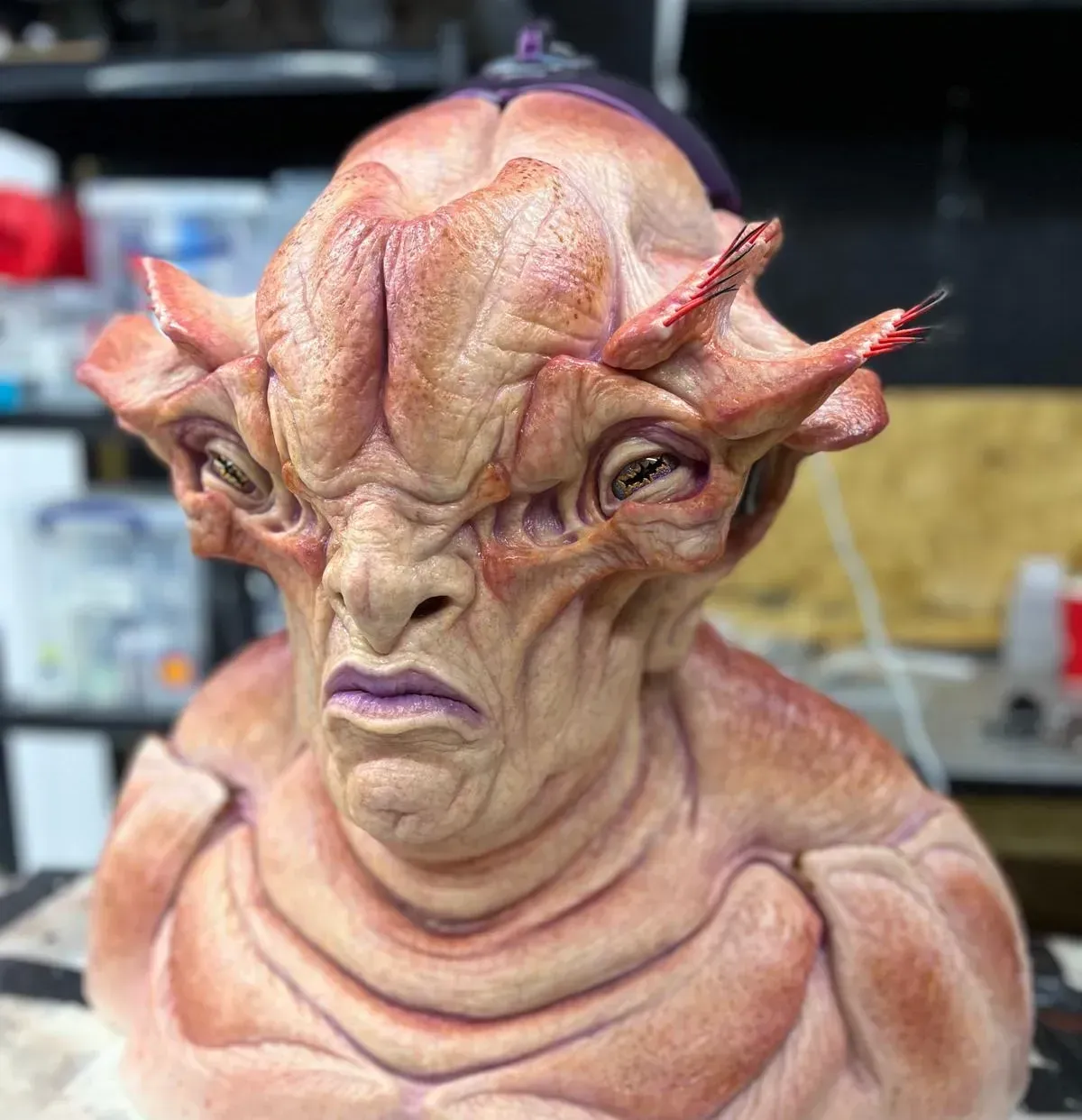
A textured, tan-colored alien bust with prominent head ridges, large eyes, and a somber expression in a workshop setting.

Combining Creature Effects with CGI

While practical effects are powerful on their own, many productions enhance them with CGI.

This hybrid approach allows filmmakers to:


  • Extend movement or scale
  • Add subtle enhancements
  • Remove rigging or support elements


For a full breakdown of how these approaches work together, see our guide on
👉
practical effects vs CGI in film production


Choosing the Right Creature Effects Approach

Every production has different requirements. The right solution depends on:


  • The complexity of the creature
  • The level of interaction required
  • Budget and timeline
  • Filming conditions


Working with an experienced creature effects studio ensures the design is both visually effective and practical to use on set.


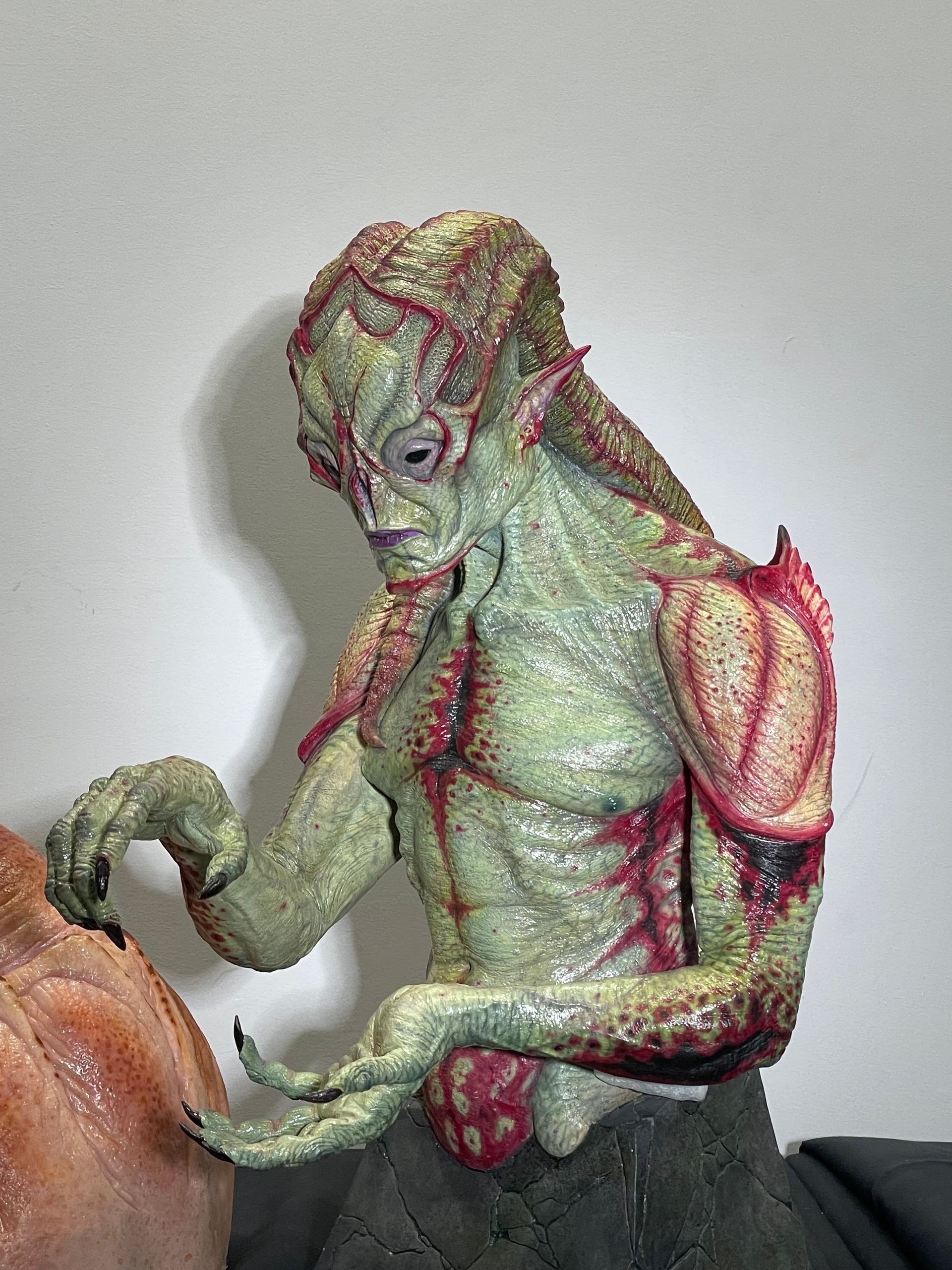
A detailed sculpture of a textured, green-skinned alien creature with red markings, looking down at a textured object.

Work With a Creature Effects Studio

At Oracle FX, we design and create high-end creature effects for film and television, from full creature suits to animatronic builds and prosthetic transformations.


We work closely with production teams to deliver effects that:

  • Perform reliably on set
  • Integrate seamlessly into the production
  • Enhance both realism and storytelling


Book a consultation to discuss your project and bring your concept to life.


FAQs

  • How long does it take to create creature effects?

    The timeline varies depending on complexity. Simple prosthetic-based creatures may take days or weeks, while full creature builds with animatronics can take several weeks or months. Early planning is essential to ensure the effects are ready for filming without delays.


  • Are creature effects better than CGI creatures?

    Creature effects and CGI serve different purposes. Practical creature effects provide real interaction, texture and lighting, making them highly effective for close-up shots and actor engagement. CGI is often used to enhance or extend these effects. Most modern productions combine both for the best results.

  • What materials are used in creature effects?

    Common materials include silicone, foam latex, resin and fibreglass. Each material is chosen based on the required level of realism, flexibility and durability. Silicone is often used for skin due to its lifelike appearance, while lighter materials are used for wearable components.


  • Do actors wear creature suits?

    In many cases, yes. Creature suits are designed to be worn by performers, allowing natural movement and interaction on set. For more complex creatures, animatronics or puppetry may be used alongside or instead of a performer.


Recent Posts

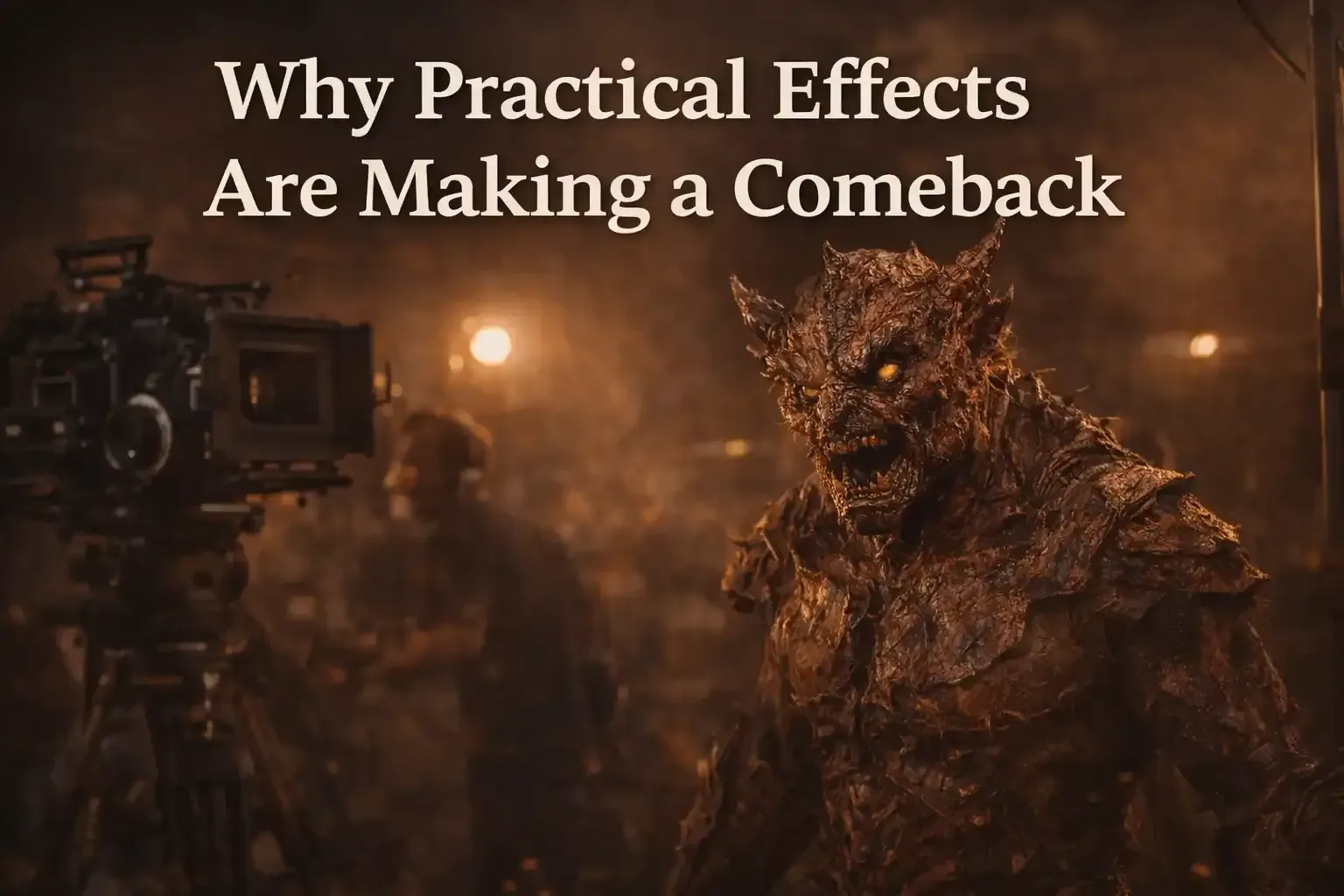
A film set with a crew member using a camera to film a textured, menacing monster, with the text
By Thea Mulvey March 27, 2026
Discover why practical effects are making a comeback in film. Explore realism, audience demand and how productions combine practical effects with CGI.
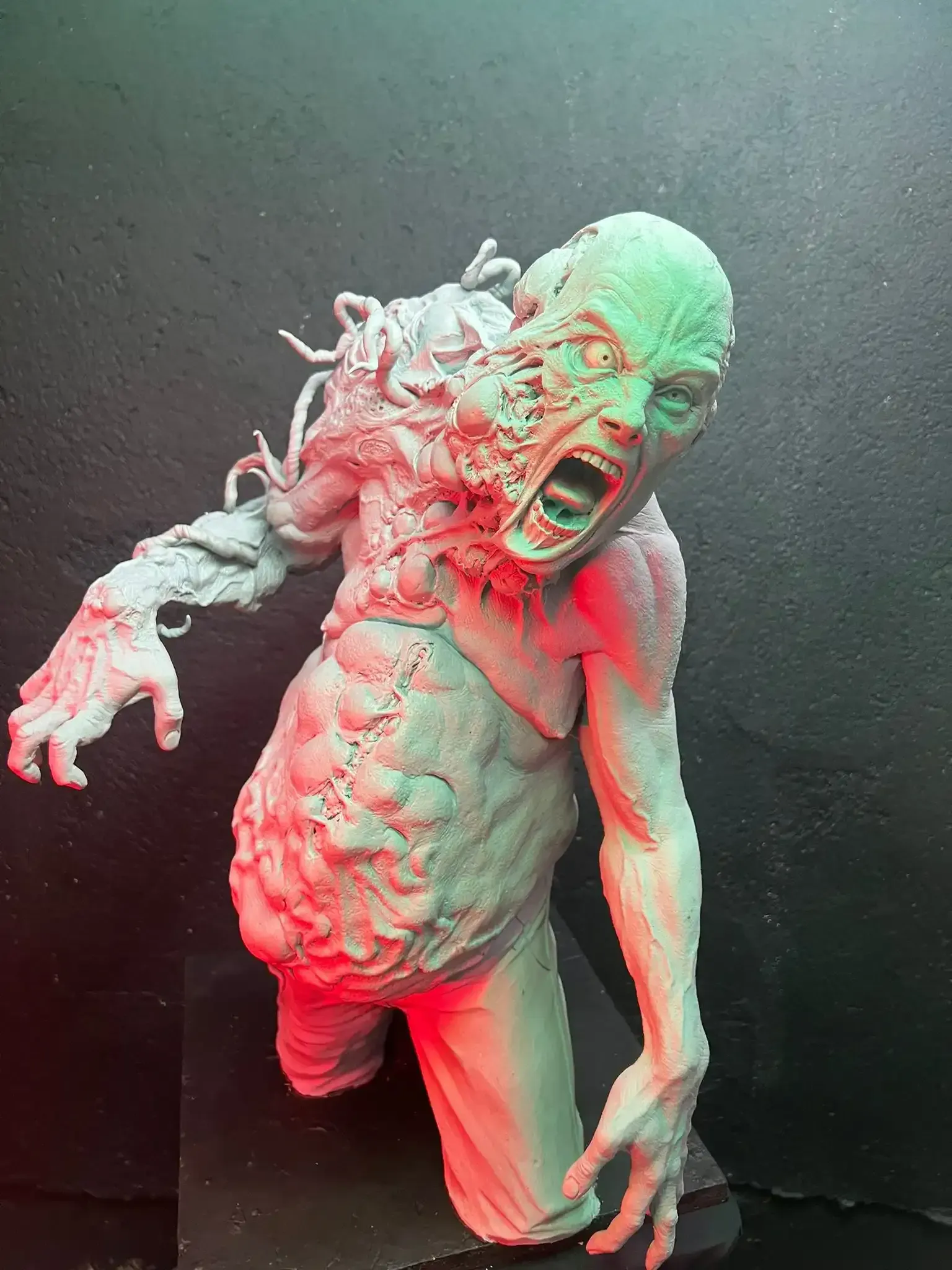
Mutated humanoid figure with gaping mouth, distorted features, and reddish-green lighting.
By Thea Mulvey March 1, 2026
Inside Professional Creature Effects for Film and Television Production
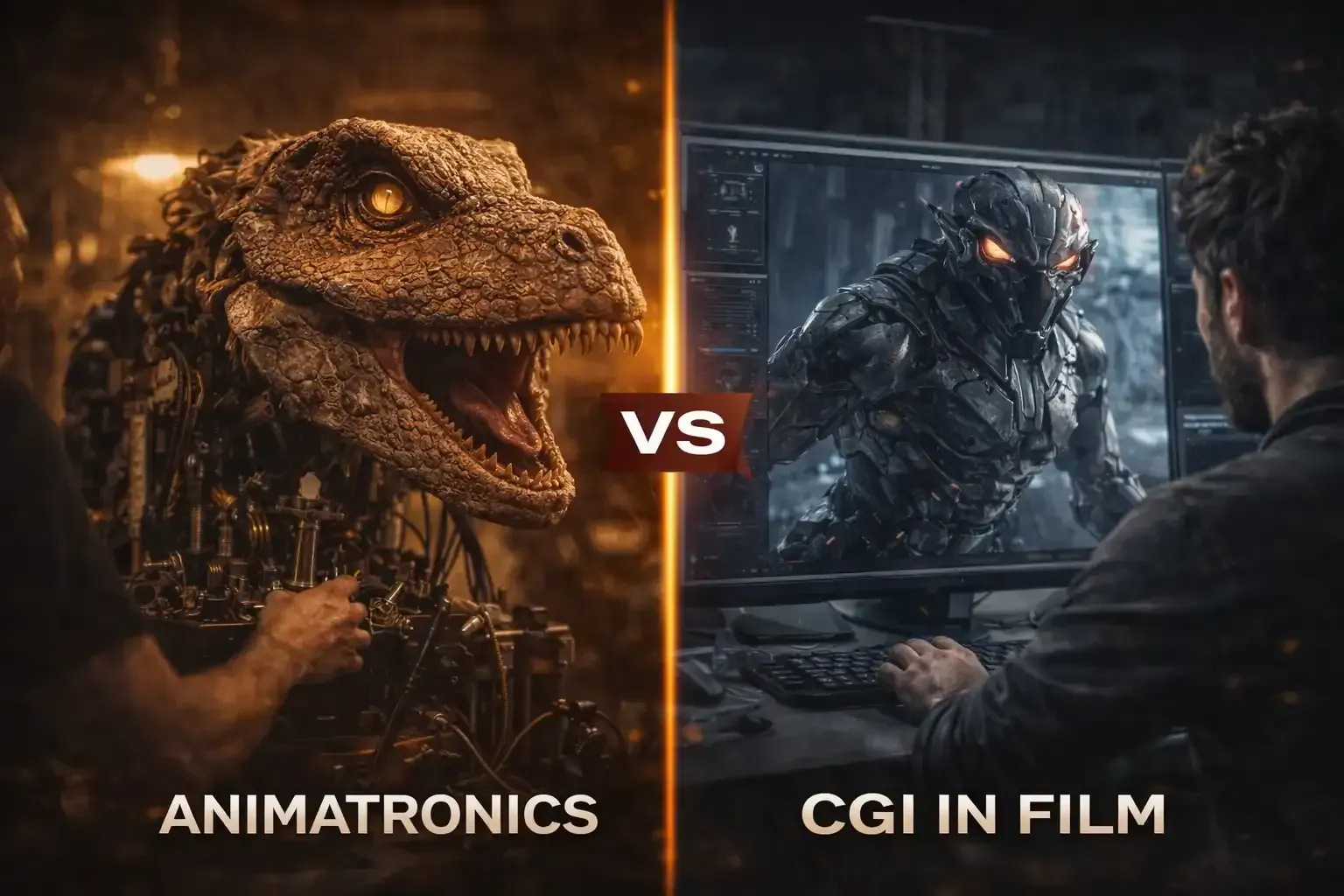
Comparison of practical effects vs. CGI in film: a creature being built vs. a digital artist working on a CGI character.
February 21, 2026
Exploring practical effects vs CGI in film production. Discover when prosthetics, creature builds and animatronics outperform digital effects.