

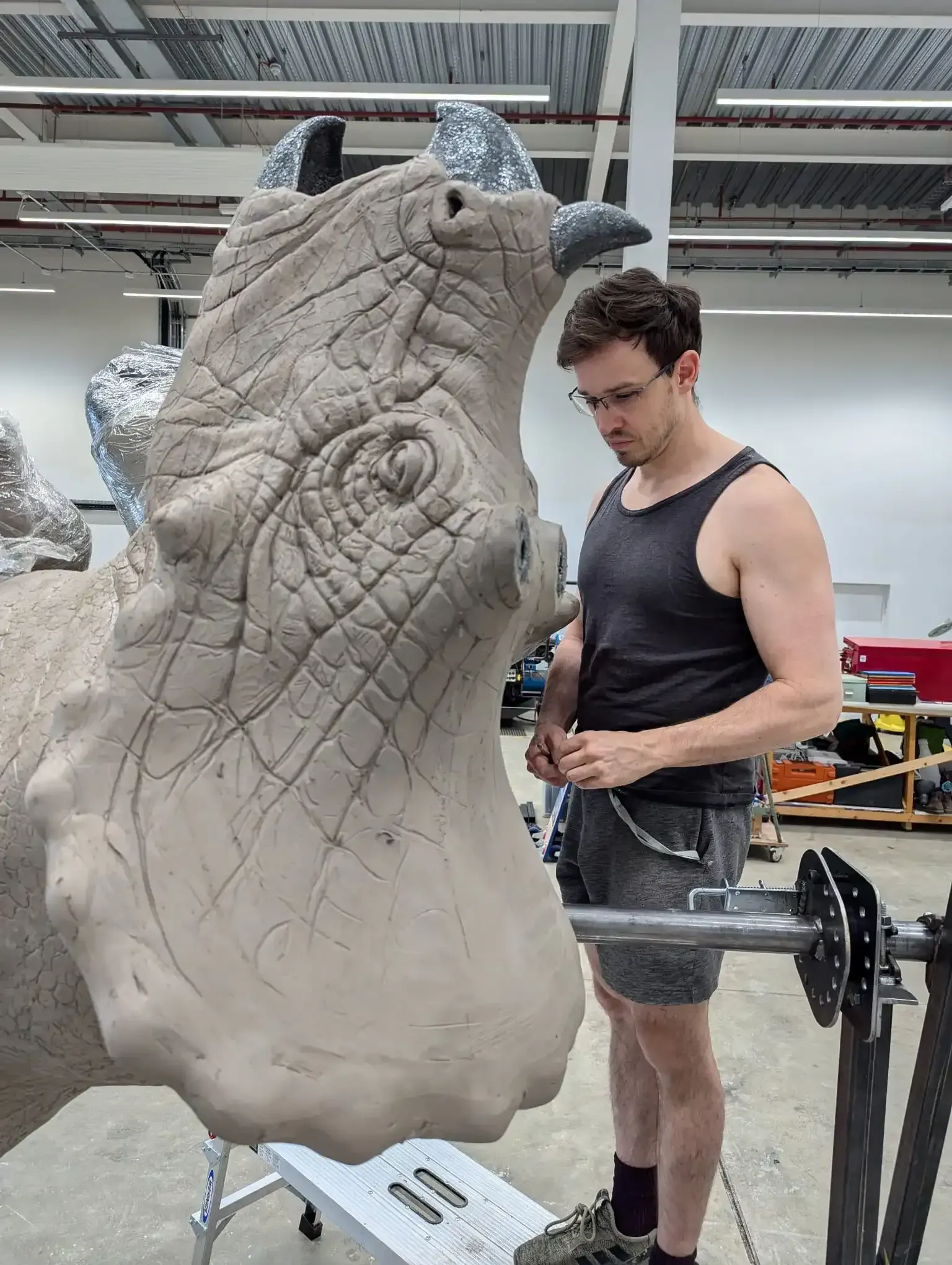

Animatronics vs CGI: Which Is More Realistic in Film?

Introduction
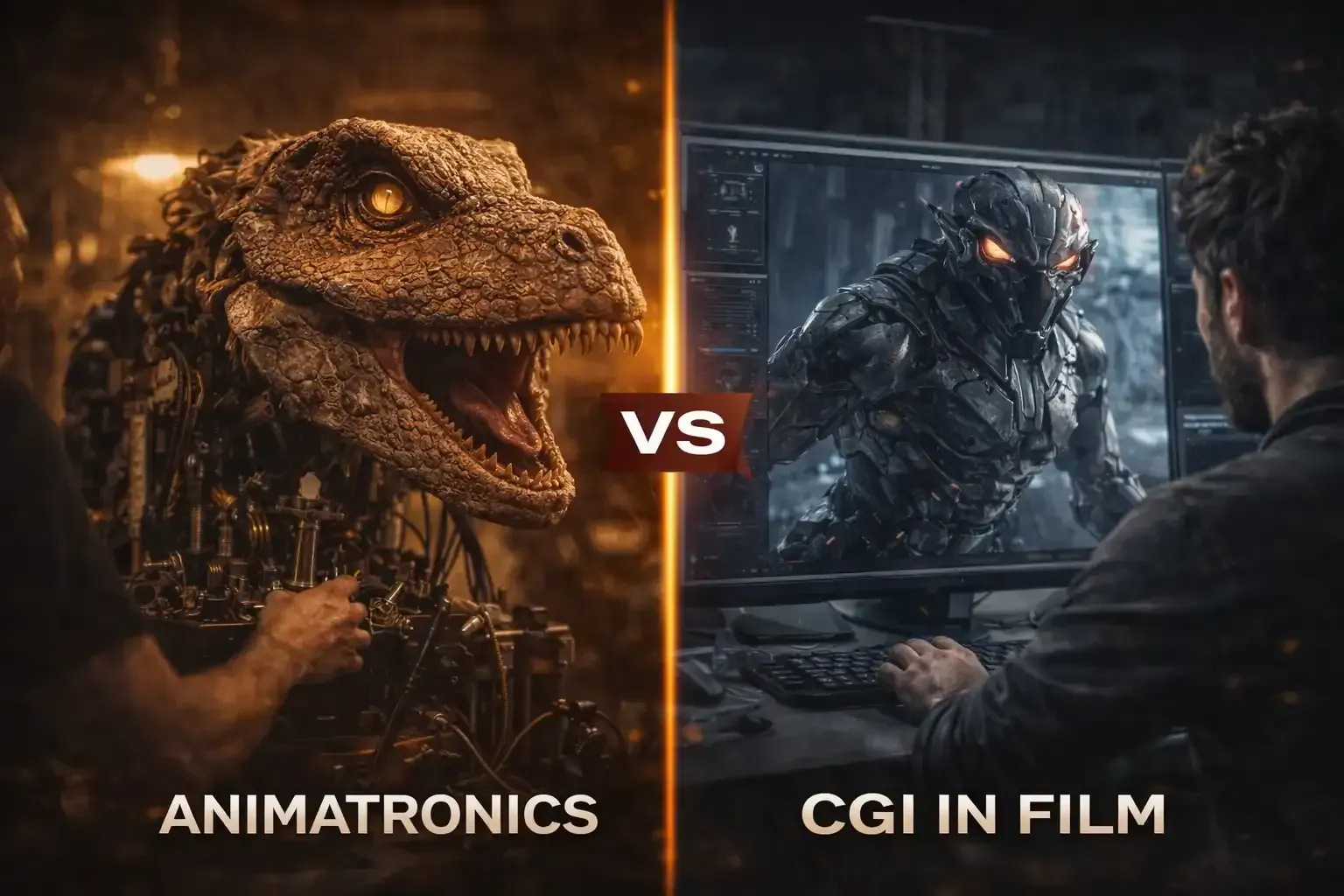
In modern filmmaking, creating believable characters often comes down to one key decision: should you use animatronics or CGI?
Both approaches are widely used across film and television, each offering unique advantages depending on the production. However, when realism is the priority particularly in close-up, performance-driven scenes animatronics continue to play a crucial role.
In this guide, we compare animatronics and CGI, exploring how each works, where they excel, and why many productions combine the two to achieve the most convincing results.
What Are Animatronics?
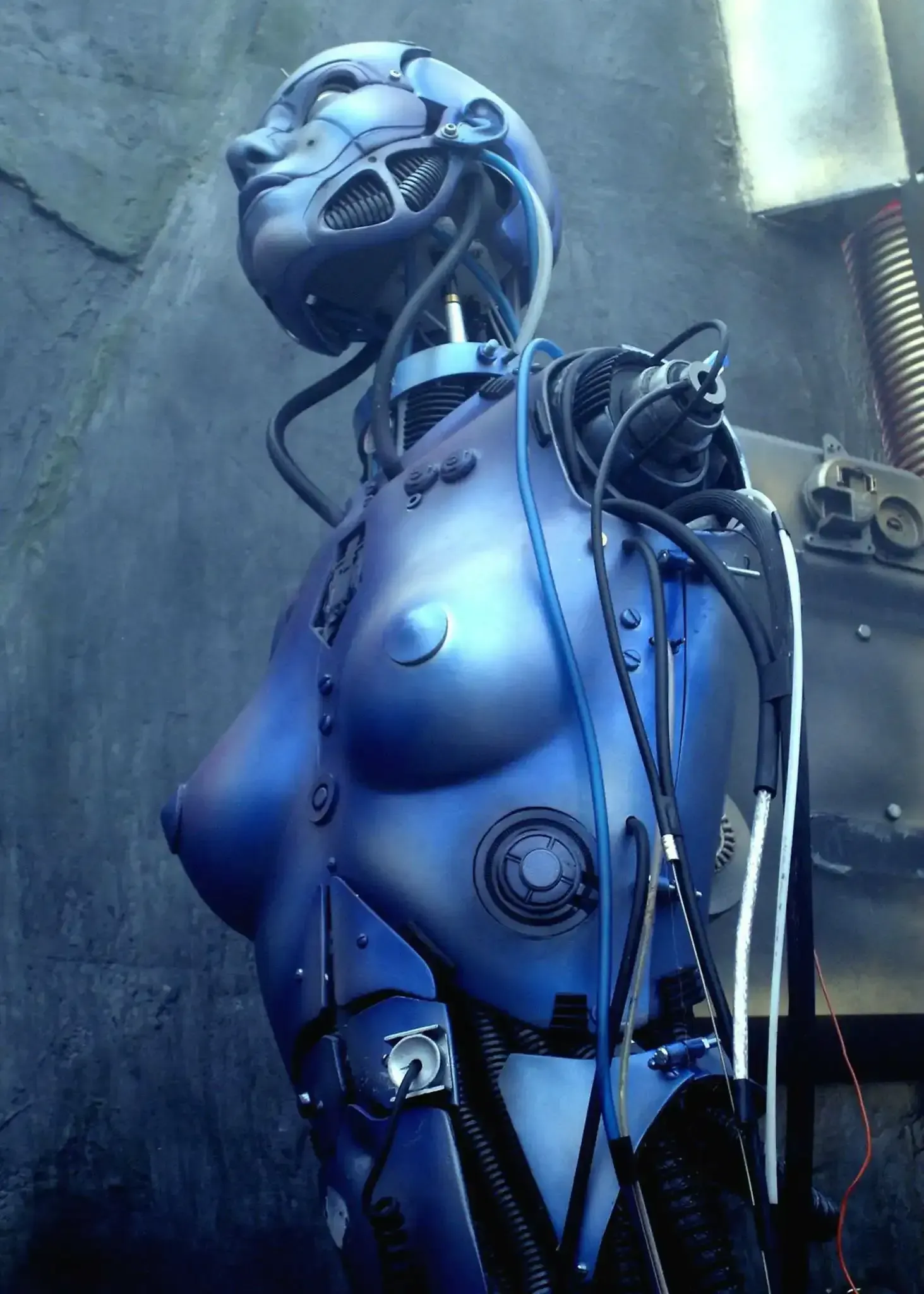
Animatronics are mechanical systems used to create lifelike movement in physical models or creatures.
They are commonly used for:
- Facial expressions (eyes, mouth, subtle muscle movement)
- Limb movement and articulation
- Breathing, blinking and reactive motion
These systems are built into practical effects such as creature suits, puppets or standalone models, allowing them to perform in real time on set.
What Is CGI?
CGI (computer-generated imagery) involves creating characters and movement digitally in post-production.
It allows filmmakers to:
- Animate characters with complete control
- Create complex or impossible movements
- Scale characters beyond physical limitations
While CGI offers flexibility, it must be carefully integrated to feel believable within a real-world scene.

Animatronics vs CGI: Key Differences
Realism and Physical Presence
Animatronics exist physically on set, which means they:
- Interact naturally with light and shadows
- Occupy real space within the scene
- Provide tangible reference points for actors
This gives them a strong advantage in terms of realism, particularly in close-up shots.
CGI can achieve highly detailed results, but requires careful lighting, rendering and compositing to match real-world conditions.
Performance and Actor Interaction
Animatronics allow actors to:
- Maintain natural eye-lines
- Physically interact with characters
- React in real time
This often leads to more authentic performances.
With CGI, actors may be working against placeholders or green screens, which can make interaction more challenging.
Detail and Texture
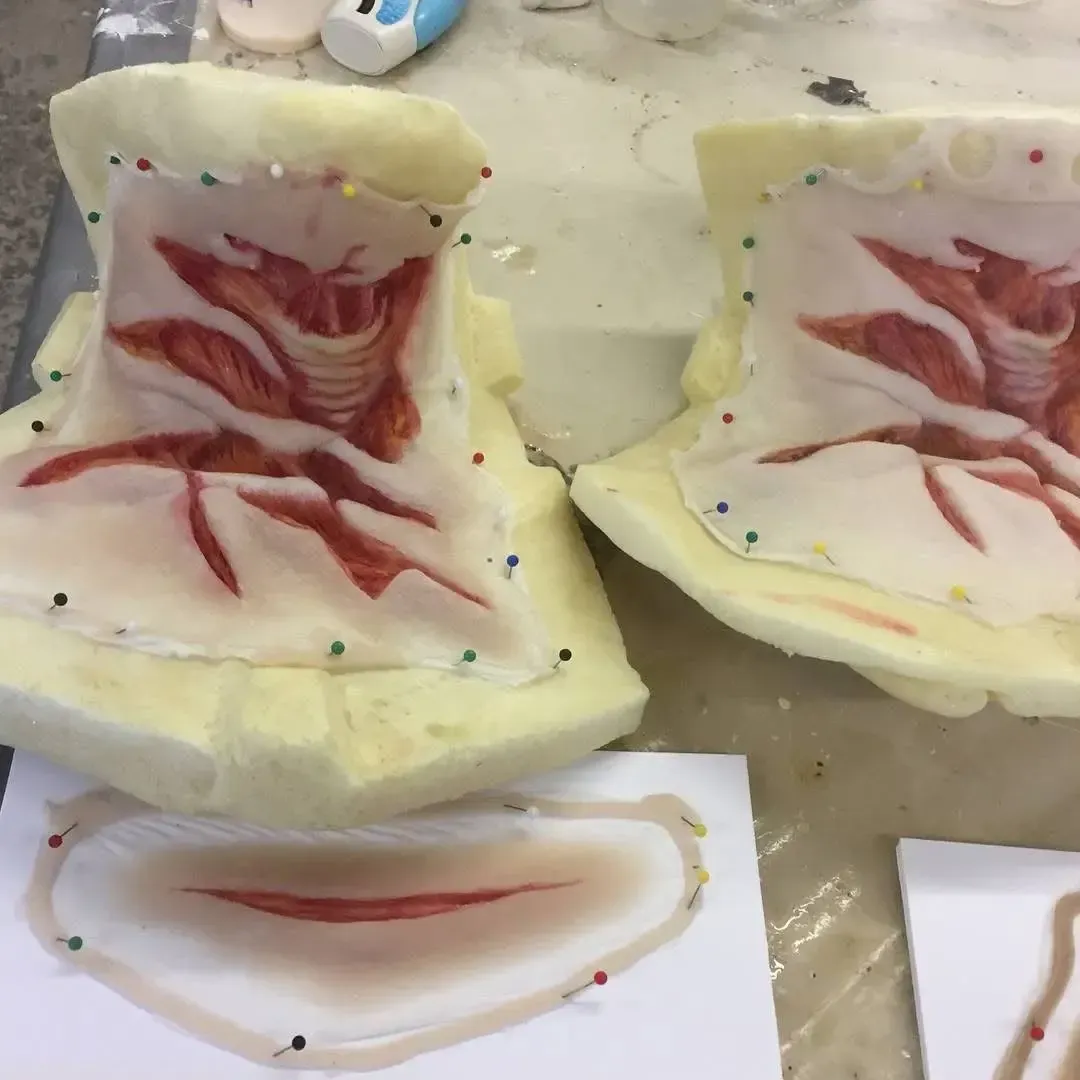
Physical animatronics provide real textures — skin, movement, imperfections — that are captured directly by the camera.
CGI must replicate these details digitally, which can be highly effective but also time-consuming and dependent on post-production quality.
Flexibility in Production
CGI offers greater flexibility:
- Changes can be made after filming
- Movement can be adjusted or enhanced
- Entire scenes can be reworked
Animatronics require more planning and precision before filming, as changes on set can be more limited.
Cost and Time Considerations
Both approaches involve investment, but in different ways:
- Animatronics require design, engineering and build time upfront
- CGI requires post-production resources, animation and rendering time
In many cases, combining both approaches provides the most efficient solution.
When Is CGI More Suitable?
CGI is often the better option when:
- Movement is too complex or physically impossible
- Creatures need to perform large-scale actions
- Scenes involve extreme environments or hazards
- Post-production flexibility is required
CGI allows filmmakers to go beyond physical limitations while maintaining creative control.

The Hybrid Approach: Best of Both Worlds
Most modern productions use a combination of animatronics and CGI.
This approach allows filmmakers to:
- Use animatronics for realism and interaction
- Enhance or extend movement with CGI
- Remove rigging or mechanical limitations in post-production
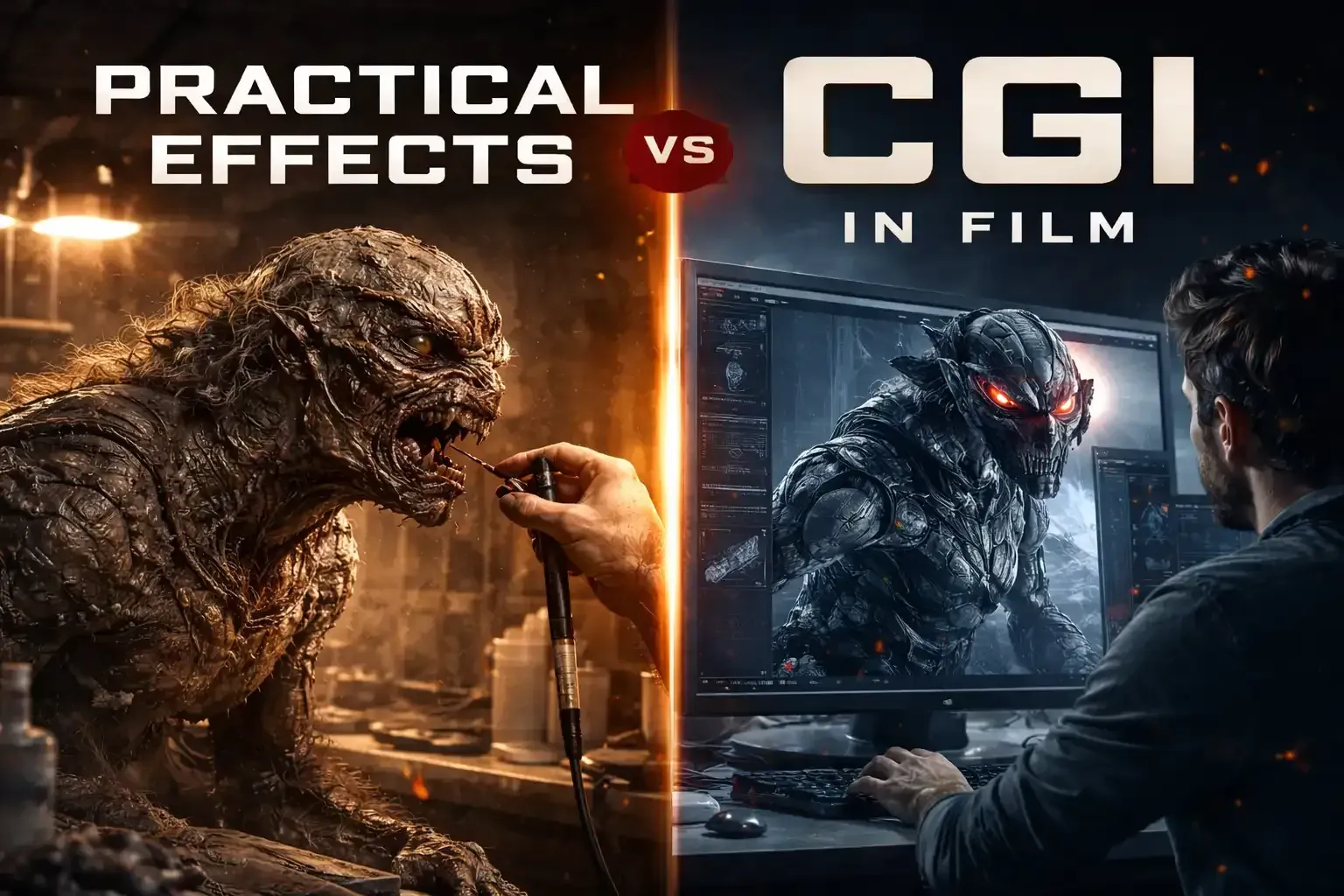
For a broader comparison of practical effects and digital techniques, see our guide on
practical effects vs CGI
in film production
This hybrid method delivers the most convincing and visually consistent results.
Why Animatronics Still Matter in Modern Film
Despite advances in CGI, animatronics remain highly relevant because they:
- Provide immediate realism on camera
- Improve actor performance
- Reduce reliance on heavy post-production
- Deliver tactile detail that audiences respond to
In an industry focused on immersion, these advantages continue to make animatronics a valuable tool.

Choosing the Right Approach for Your Production
The decision between animatronics and CGI depends on:
- The type of character or creature
- The level of interaction required
- Budget and timeline
- Creative vision
An experienced effects studio can help determine the best combination of techniques to achieve the desired result.

Work With an Animatronics Studio
At Oracle FX, we design and build high-end animatronic systems for film and television, alongside creature effects, prosthetics and lifecasting.
Our work is built to:
- Perform reliably on set
- Integrate seamlessly with practical and digital effects
- Enhance realism and storytelling
Book a consultation to discuss your project and explore the best approach for your production.
FAQs
Are animatronics more realistic than CGI?
Animatronics are often more realistic in close-up shots because they exist physically on set, interacting naturally with light, actors and the environment. CGI can achieve high levels of realism, but requires careful execution. Most productions combine both to achieve the best result.
Why do filmmakers still use animatronics?
Filmmakers use animatronics because they provide real interaction, improve actor performance and create more believable visuals. They are especially effective in scenes where physical presence and detail are critical.
Can animatronics and CGI be used together?
Yes, and this is now standard practice. Animatronics are often used as the base for realism, with CGI enhancing movement, scale or detail in post-production.
Are animatronics expensive to produce?
Animatronics require upfront investment in design and engineering, but they can reduce the need for complex CGI in post-production. The overall cost depends on the complexity of the project and how the effects are combined.